The pulao trail: 5 underrated regional varieties you need to try
Long before the biryani, there was the humble pulao. Join us as we explore five spectacular regional mutton pulaos that deserve just as much love, if not more.
15 Oct 2025
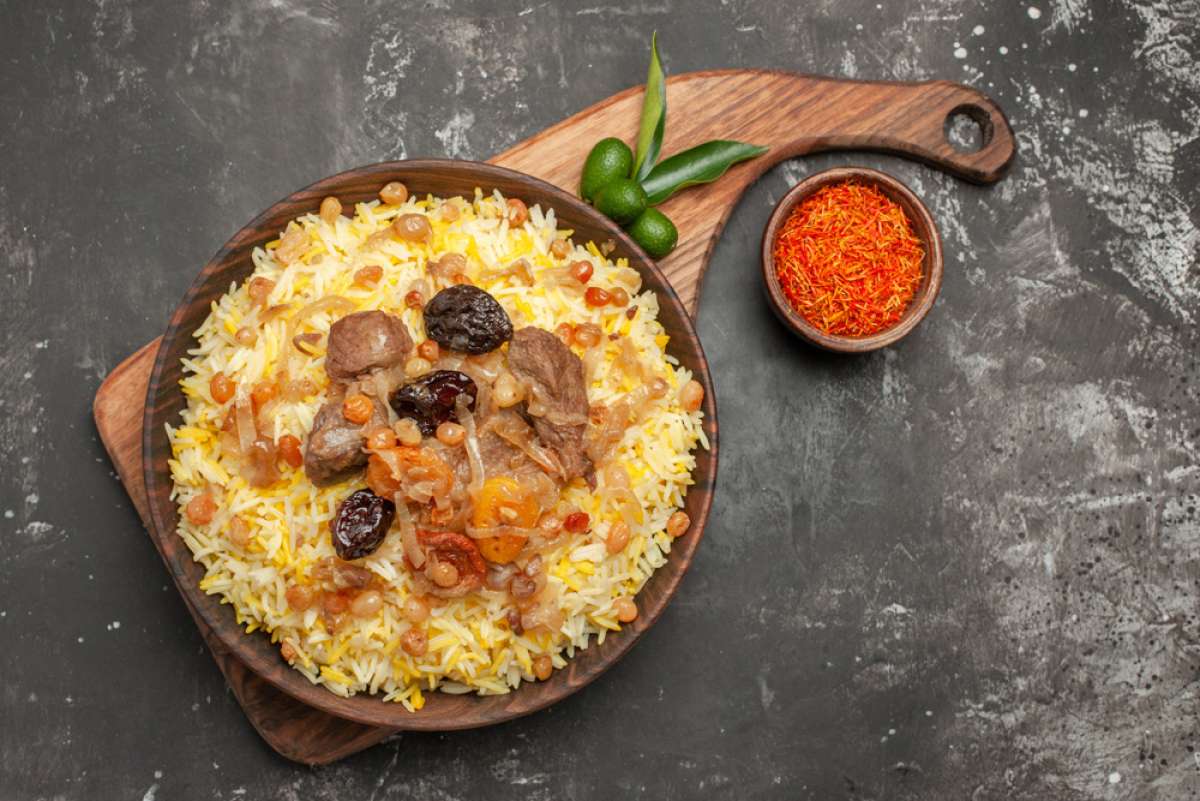
We’ve celebrated the biryani far too much. But the humble pulao rarely gets enough attention (or love).
Long before the biryani, came its earliest ancestor, the pilaf. The word’s lineage supposedly goes all the way back to puṛukkal or puzhungal, Tamil for ‘cooked rice’. In Sanskrit, it was the pulāka, in Persian pelâv, in Turkish pilāf and Hindi pulāv. All sharing the same etymological origins. One of the earliest documented recipes for pilaf comes from the 10th-century Tajik scholar Avicenna (Ibn Sina) from Bukhara. His work detailed various types of pilaf, including their preparation and the advantages of the ingredients used, leading to his recognition as the "father of modern pilaf" by some Uzbek and Tajik cultures.
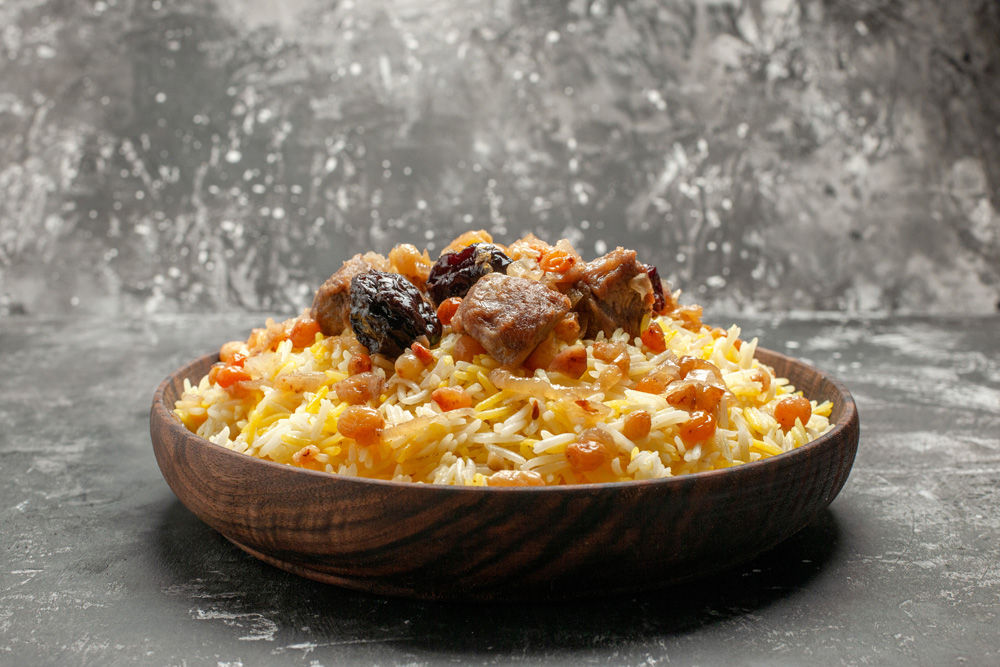
An old Uzbek saying goes, “If you’re rich, eat plov; if you’re poor, eat plov.” And so this humble dish made of rice, lamb, oil, carrots and onions, cooked with cumin and salt in a large pot, deserves greater recognition. We’ve compiled five unique pulao varieties across the country, that you should know about.
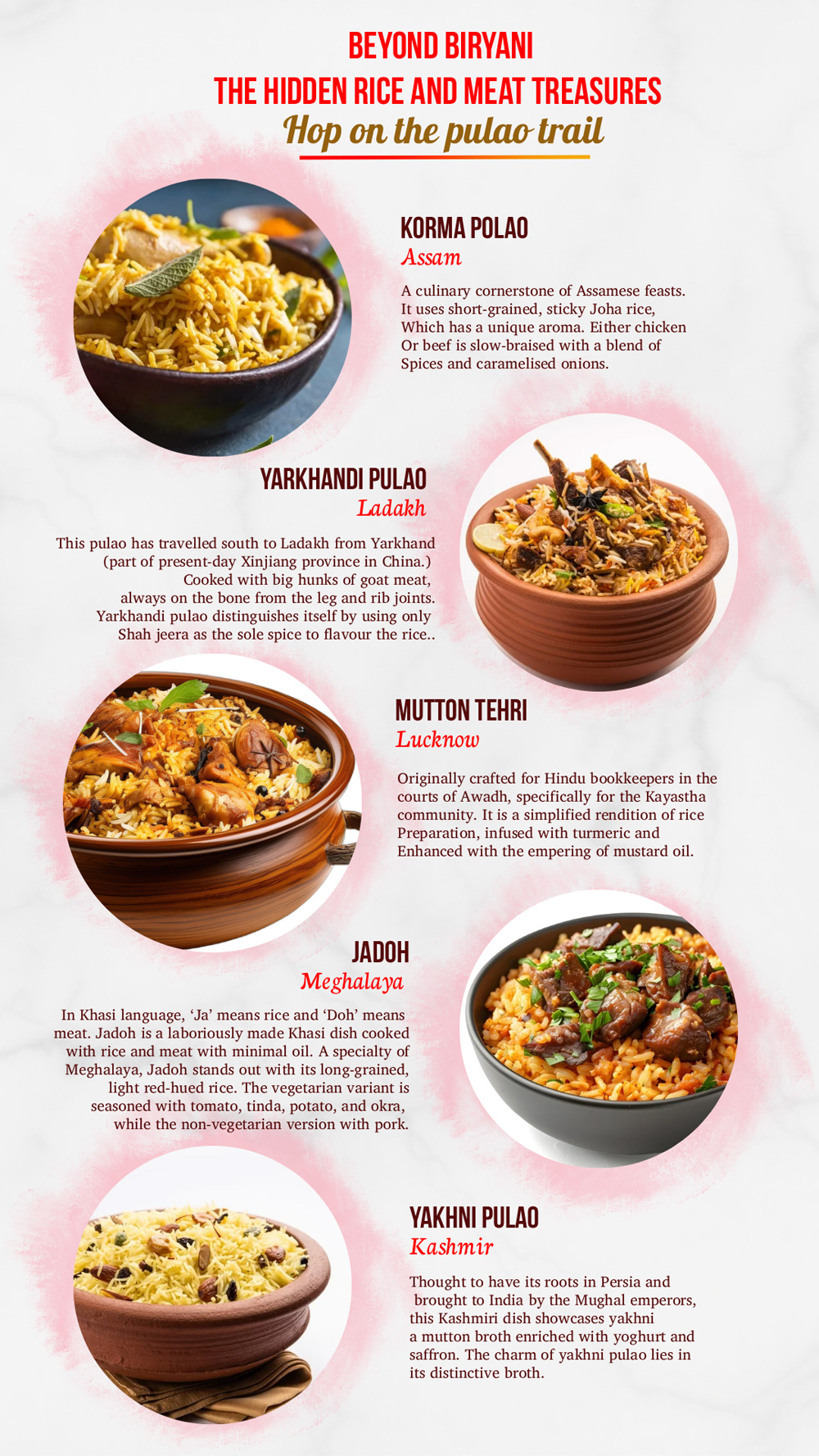
Which of these pulao varieties are on your list? Let us know in the comments!
Rate this story:
Tags
Mutton Pulao
Indian cuisine
Rice Dishes
Regional Indian Food
0 Comment
You may also like
-

Features This is what Ganesh Chaturthi tastes like in a Konkani home
by Vikhroli Cucina -

Features Mumbai: A First Look Inside the Future of Indian Dining
by Vikhroli Cucina -

Features Mapping the next decade: Rushina Munshaw-Ghildiyal on the road to GFTR 2027
by Vikhroli Cucina -
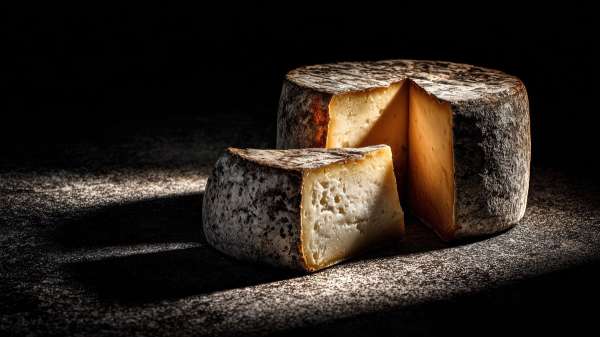
Features How Eleftheria is Putting Indian Cheese on the Global Map
by Vikhroli Cucina