A little jhalmuri, a lot of adda and memories that never get old
From the first cup of cha to the last bite of mishti, some of our favourite Pujo memories are served on a plate
17 Oct 2026
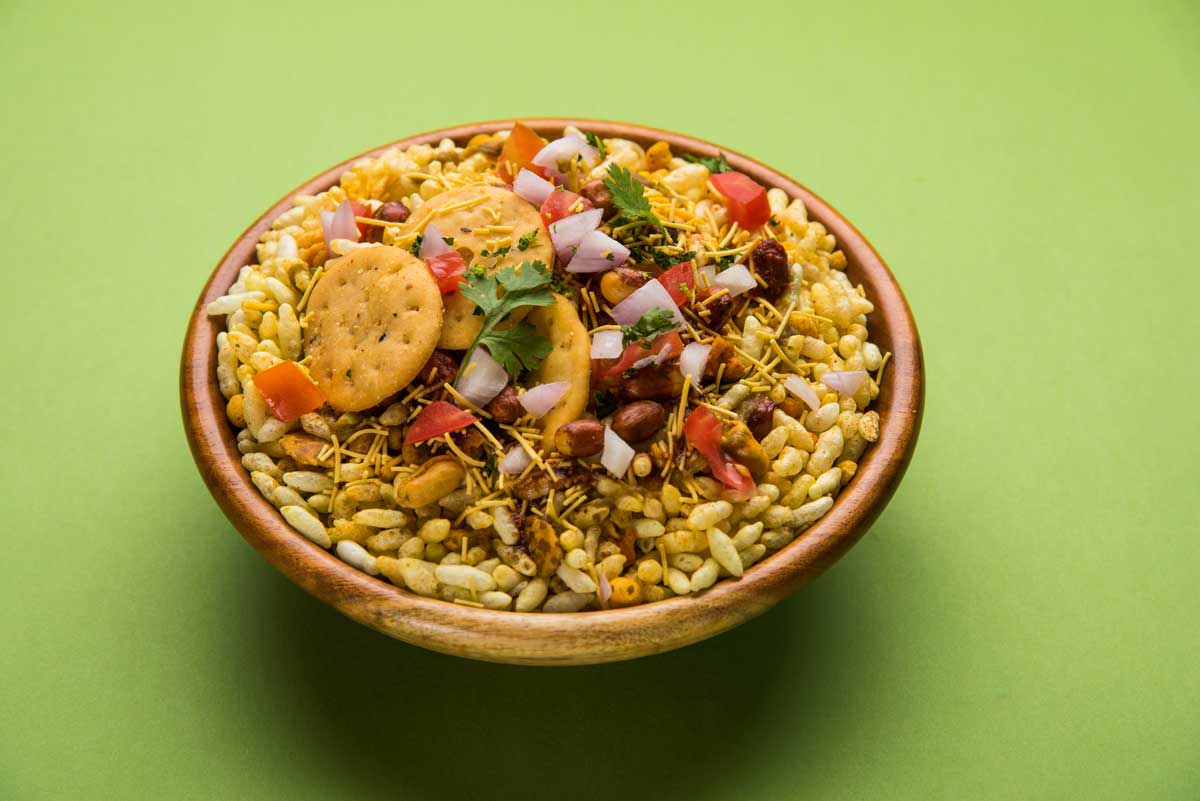
What if the best way to experience Durga Puja was to follow your appetite? One whiff of freshly fried telebhaja, a paper cone of jhalmuri, the promise of a steaming plate of bhog in the afternoon or the sight of your favourite mishti can change the day’s plans in an instant. Ask a Bengali what makes pujo unforgettable, and you’ll hear about the dhaak, the dazzling pandals, the anjali and the adda. But there’s another story unfolding that’s one measured in bites, shared plates and spontaneous food stops.
There’s always so much to catch up on. The pandal everyone’s talking about, the friend who’s finally found love, the bhog that tastes just like it did in childhood, or simply life, in all its little twists and turns. Nobody’s in a hurry. After all, what’s pujo without a little adda? And what’s adda without something to munch on?
At the street corner
Remember the sound of the muriwallah’s tin can, the shake of the ingredients, the unmistakable kick of mustard oil and that final squeeze of gondhoraj lime? A paper thonga of jhalmuri, passed around between friends, is all it takes to get the stories flowing. Someone cracks a joke, someone remembers an old barir pujo and before you know it, the jhalmuri is gone, but nobody’s ready to leave.
On the pandal trail
A hot chicken roll or an egg roll wrapped in paper, eaten between pandals, is a pujo ritual of its own. A plate of chop or cutlet makes the perfect pit stop before the next destination. The plan may be to see five pandals, but the memories are often made in the little detours along the way.
And then, there’s bhog
No pujo food story is complete without it. The anticipation of standing in the bhog queue, the familiar aroma of khichuri, labra, beguni and chutney and that first satisfying mouthful served on a plate or a banana leaf. Perhaps it’s the setting, the people around us, or the feeling of being part of something much bigger than ourselves.
The sweet stops are non-negotiable
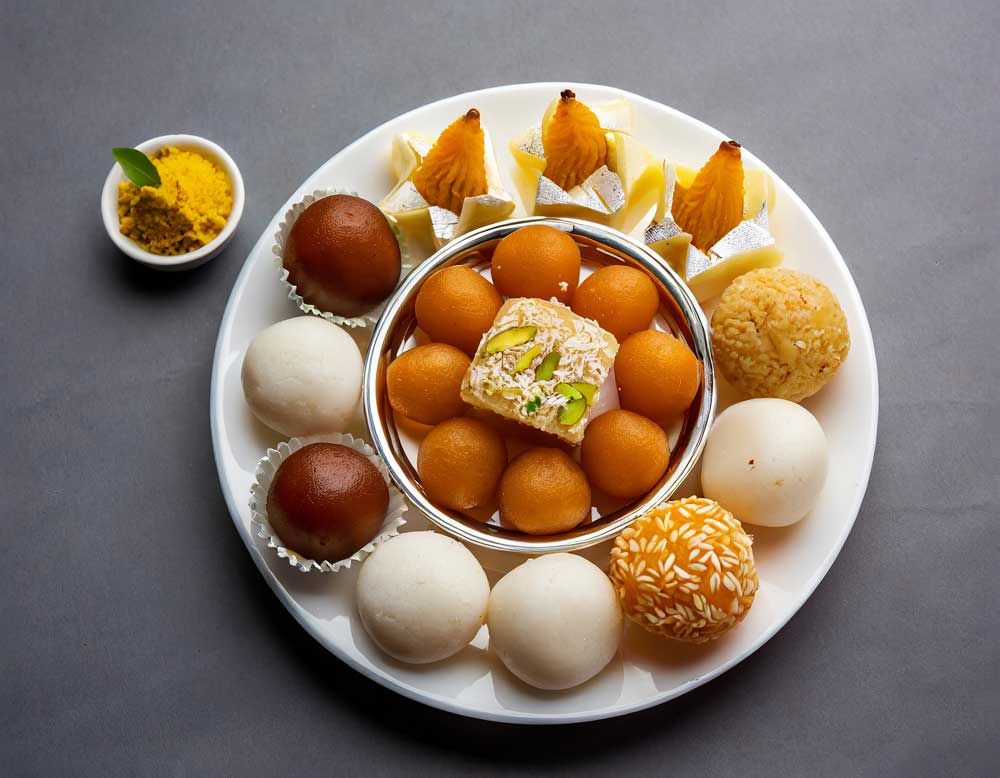
Mishti has its own place in the pujo itinerary. A quick stop for a sandesh, a rosogolla or a favourite seasonal sweet can turn into a spirited debate about which shop does it best. There are treats to share, boxes to take home and always that one sweet you promise yourself you’ll have just one of before reaching for another.
At the cha-er dokan
One cup of cha (tea) becomes two, then three. The tea grows cold, but the conversation only gets warmer. Someone brings up a school-day pujo memory, someone else remembers that legendary pandal from years ago, and suddenly everyone is transported to a time when the only plan was to meet friends, eat something delicious and stay out just a little longer. The adda could go on forever. And during pujo, nobody minds.
Back home, after the pandal hopping
The feet are tired, the phone is full of photographs and the heart is full. Shoes come off, someone puts the kettle on and the adda finds a second wind. A plate of chanachur, some leftover snacks and another round of cha bring everyone back to the best bits of the evening.
The breathtaking pandal, the impossible queue, the unexpected reunion and that one roll everyone insists was worth the wait.
These are the moments that make Pujo feel like home. The laughter that spills across the living room, the stories that get better with every retelling and the comfortable silences that need no filling. Because pujo isn’t just a festival you celebrate. It’s a feeling you taste, one delicious memory at a time.
What’s your taste of pujo nostalgia? Tell us the food memories you carry in your heart.
Rate this story:
Tags
Durga Puja
Bengali Culture
Pujo Food
food stories
Nostalgia
Festive Traditions
Pujo Adda
Bengali cuisine
0 Comment
You may also like
-

Features This is what Ganesh Chaturthi tastes like in a Konkani home
by Vikhroli Cucina -
Features Mumbai: A First Look Inside the Future of Indian Dining
by Vikhroli Cucina -
Features Mapping the next decade: Rushina Munshaw-Ghildiyal on the road to GFTR 2027
by Vikhroli Cucina -
Features How Eleftheria is Putting Indian Cheese on the Global Map
by Vikhroli Cucina