Mapping the next decade: Rushina Munshaw-Ghildiyal on the road to GFTR 2027
Following the launch of the 2026 report, the GFTR team is embarking on a monumental multi-city round table tour to capture ground-truth insights for its milestone 10th edition. Get an exclusive first look at her on-ground findings from Kolkata, Guwahati, and New Delhi as she explores heirloom techniques and micro-regional cuisines shaping how India eats.
08 Aug 2026
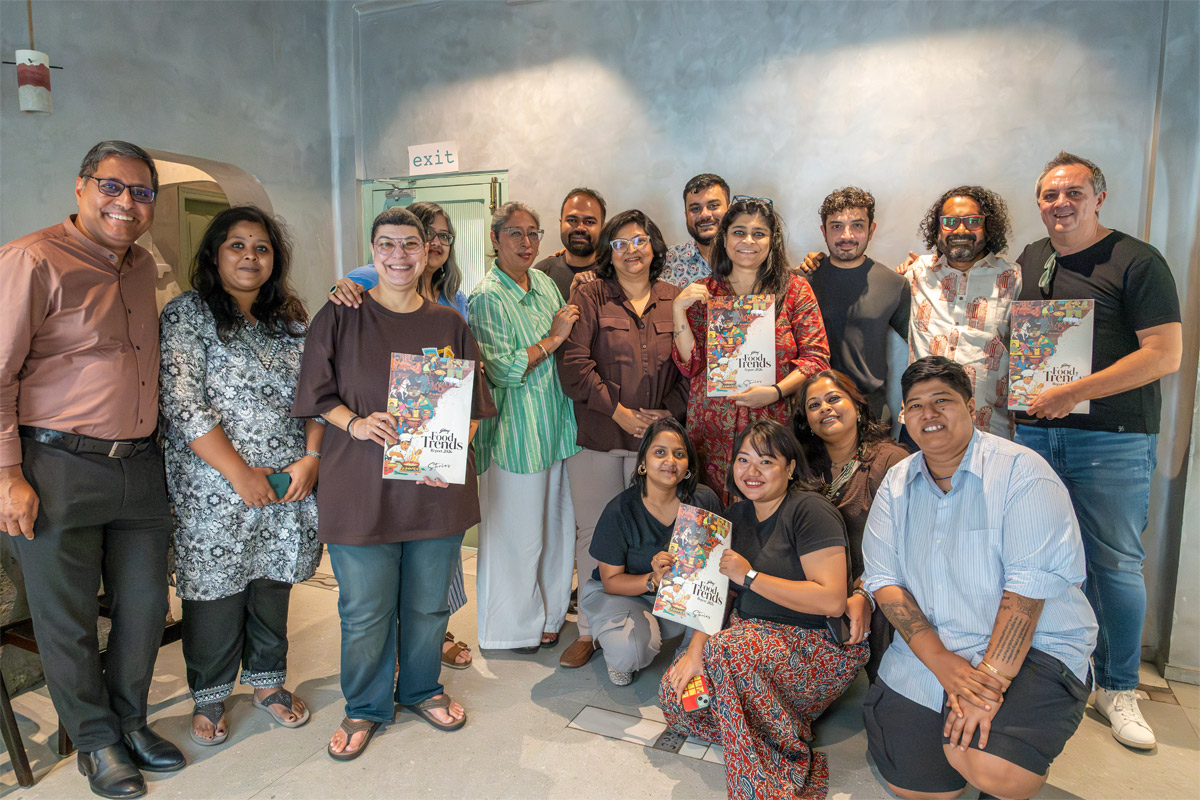
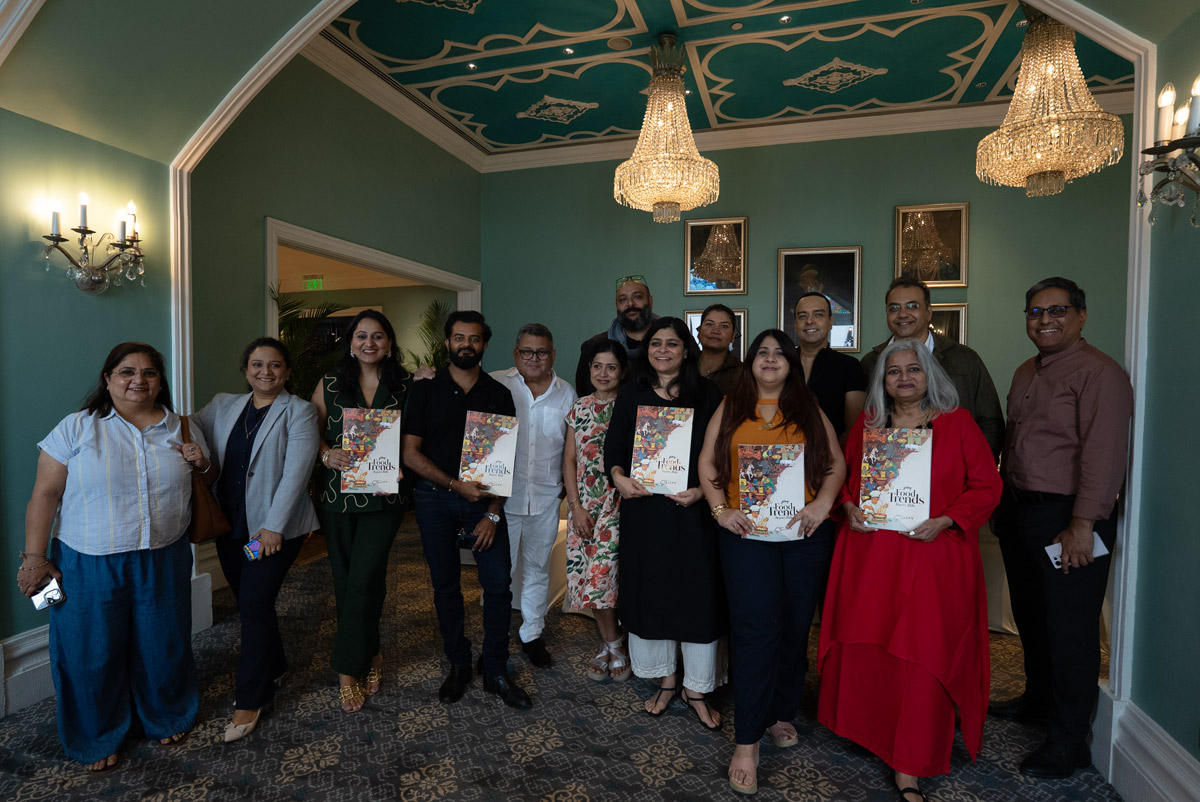
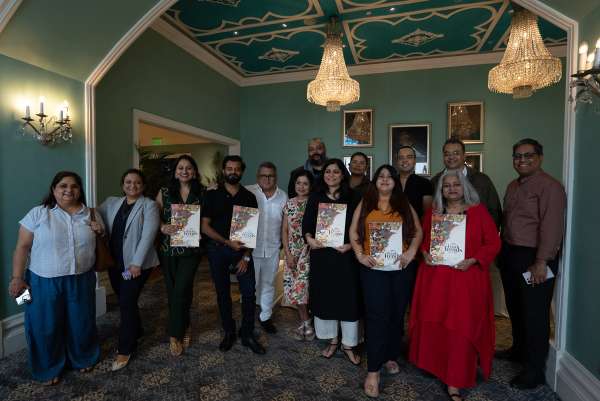
Cover: Chandra Shekhar Ghildiyal, Jaismita Alexander, Rukshana Kapadia, Rituparna Banergee, Chef Doma Wang, Chef Avinandan Kundu, Madhushree Basu Roy, Chef Auroni Mookerjee, Rushina Munshaw-Ghildiyal, Abhimanyu Maheshwari, Anindya Sudar Basu, Chef Shawn Kenworthy. Sitting Chef Koyel Roy Nandy, Raina Talukdar, Dolon Dutta and Sachiko Seth at the Kolkata round table.
With the Godrej Food Trends Report - India’s definitive annual mapping of food culture - turning 10 in its 2027 edition, its Curating Editor, Rushina Munshaw-Ghildiyal is travelling to key regions across the country to capture on-ground insights on where the future of food is headed. On the menu are a series of round tables with thought leaders in these regions to map what will shape India’s culinary landscape in the years to come.
“This initiative will lay the blueprint for how the Godrej Food Trends Report will evolve over the next decade. By engaging directly with the architects of local food cultures, we aren't just reporting on trends; The Godrej Food Trends Report is actively working to co-create the narrative. The insights gathered and the networks forged through these on ground interactions will serve as the foundational bedrock for the report’s 10th-anniversary milestone edition. The goal is to ensure that the future story of Indian gastronomy continues to be told through the authentic, diverse voices of the people who shape it every day," says Rushina Munshaw Ghildiyal, Curating Editor of Godrej Food Trends Report.
To dive a little deeper into the key objectives behind the round tables, Godrej Vikhroli Cucina spoke to her.
Following the launch of the report's 9th edition in April, you have immediately set sail on this tour across different regions of India, what are your core expectations from these sessions.
As we build towards the 10th edition of the Godrei Food Trends Report, I chose to do one of the most ambitious things I have done.
Travel around India convening round tables with key voices and thought leaders in various regions we have identified as Established, Evolving or Emergent Food hubs.
Beyond the survey, and beyond the data, I wanted to meet the people shaping what India is eating, where India is eating, and why India is eating the way it is. We have finished five so far (five more to go). But just these five have shown me that this was the best move.
At these tables the conversation goes deeper than our survey questionnaires can. Chefs share the ingredient they’re obsessing over right now. Founders share what's actually working on the ground. Writers, producers and home cooks bring perspectives I had not envisioned.
The report will still be about trends. But these round tables have underlined what I've always believed. Those trends start with people. With a conversation over chai. With someone trying something new and deciding it's worth doing again.
I was incredibly excited to kick off our new round table tour in Kolkata. Back in 2018, we launched a similar initiative there that the pandemic abruptly cut short. Returning felt right- not just because the city has always fascinated me, but because it is currently home to some of India's most exciting food trends.
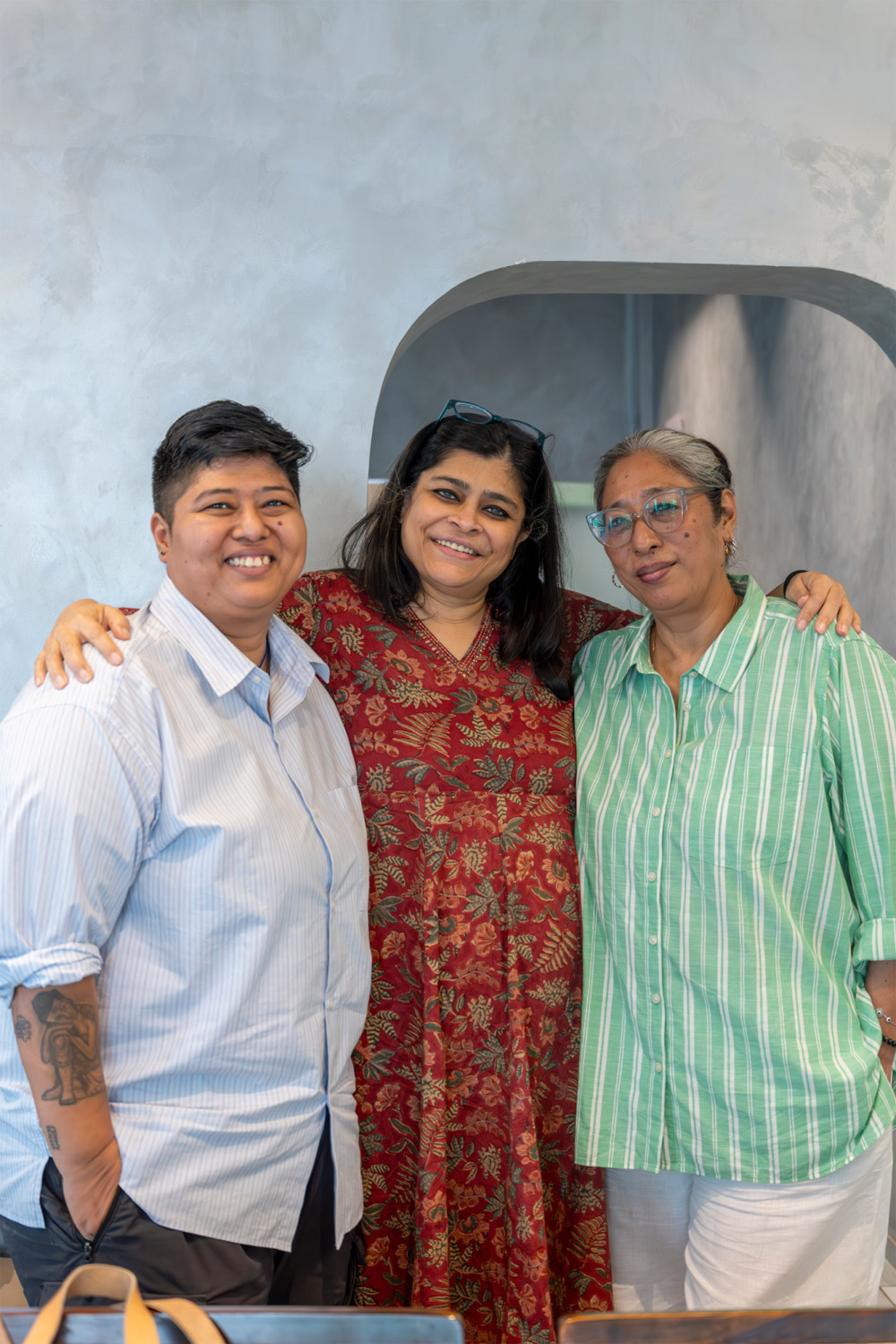
Chef Doma Wang and Sachiko Seth at the Kolkata round table
My core objective from these round tables is to cast a wide net and listen. Then funnel the data we collect through layers of sorting, to create the survey and finally distill it into the 2027 report. Five round tables in, I am already seeing that each region/city has its own archive of flavour, its own relationship with memory and its own way of asking “where did this come from?”
Until now GFTR has reported on broad national trends, but this initiative is allowing us to observe ground truth, what’s being cooked, sourced, debated and reinvented in kitchens right now.
Which 2026 food trends did you see most prominently in Kolkata?
In Kolkata, I arrived to find the 2026 food trends thriving at places like Rannaghar, Sienna, Popo's, Amar Khamar, Yokocho and Nutcase. Having the very people driving this evolution sitting at our round table was mind-blowing. I realised that narrative driven dining is no longer theory. Diners there are asking for the who, where and why behind every bite. They want the story of the cutlet as much as the taste of it.
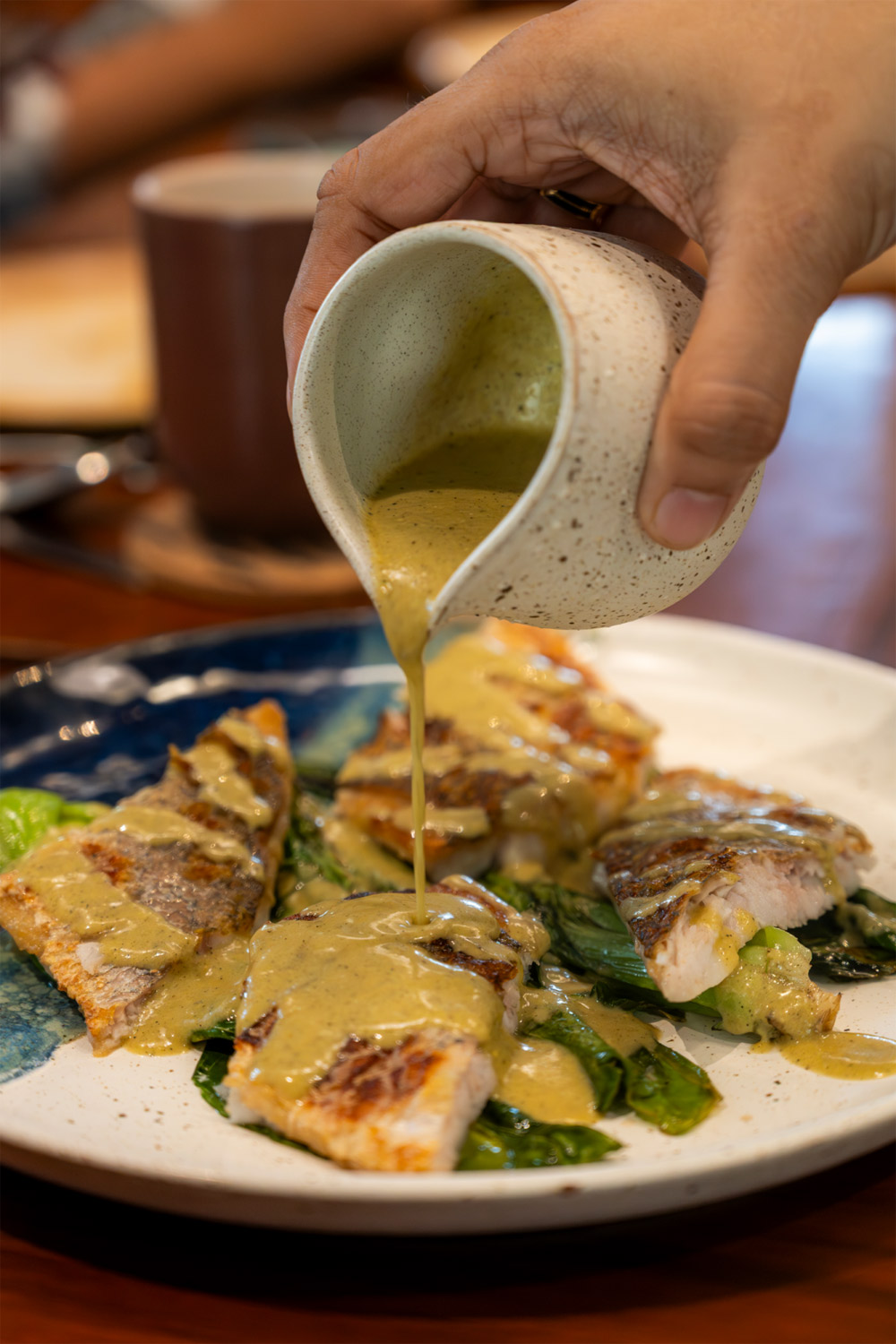
Maach Pora paired with Chaaler Ruti at Sienna, Kolkata
There was also a wonderful hyper-local confidence, Kolkata has a deep archive of history and nostalgia to draw from. And we saw it all: storytelling, provenance in sourcing and cultural memory influencing modern dining. The most exciting plates weren’t fusion for fusion’s sake. They were heirloom techniques, forgotten ingredients and family recipes being given contemporary space without losing their accent.
Our Guwahati round table was wider encompassing. It was in the northeast. I was happy to see some of the trends in other regions playing out (all the big brands are here) but there is also a fairly robust representation of local cuisines.
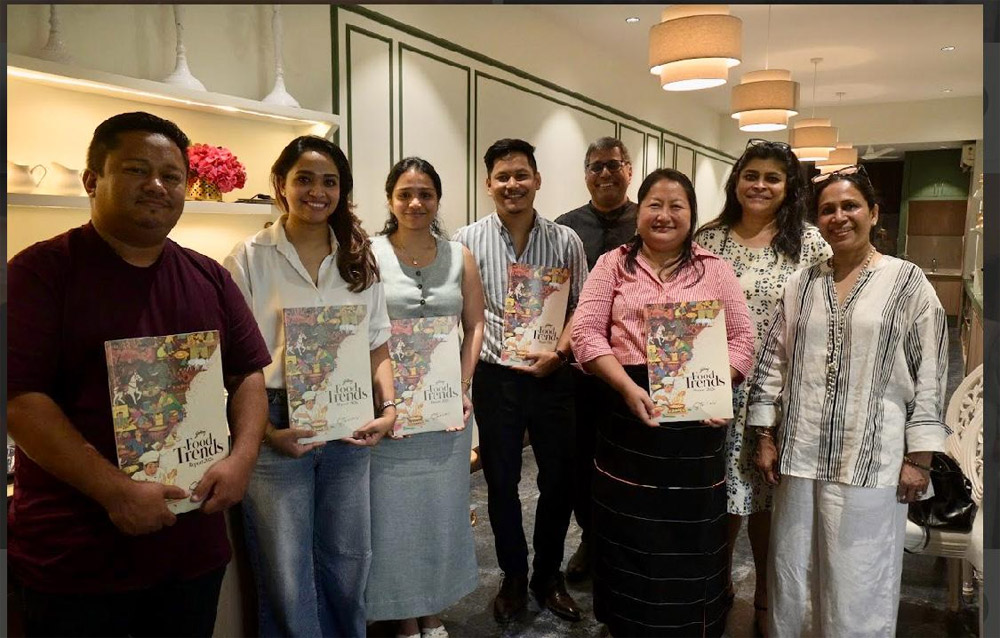
Masterchef Nayanjyoti Saikia - Assam, Chef Joel Basumatary (Chef and Indigenous Food Expert) - Nagaland, Kashmiri Barkakati Nath (Culinary Expert and Consultant) - Assam, Aketoli Zhimomi (Chef and Indigenous Food Archivist) - Nagaland, Dr. Mridusmita Das (Copo - Traditional artifacts and silk) - Guwahati, Arushi Lohia (Paoroti) - Guwahati at the Guwahati round table
The food curated for these round tables has intentionally been mapped to some of the 2026 trends. Tell us a bit more about that…
Sienna was all about ‘Provenance pincoded,’ micro-regions we’ve explored, and what’s next.
That phrase is deliberate. In the past editions we traced provenance and seasonality. In 2026 we’re pincoding it — going hyper-local. The menu at Sienna reflected that: food that carried a very specific pincode, not just “Bengali.”
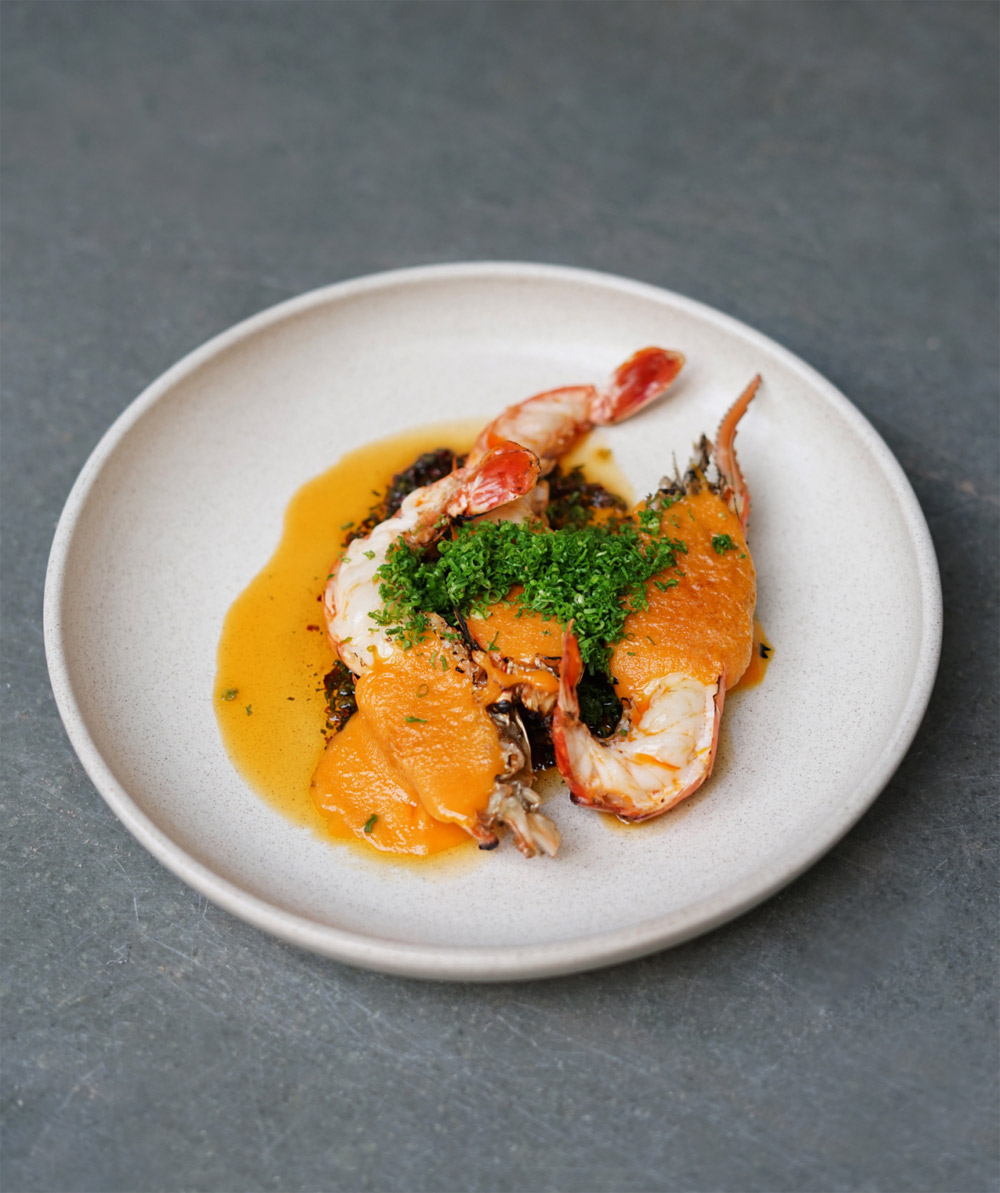
Golda Chingri Ghilu Hollandaise at Sienna, Kolkata
OMO, a personal favourite for its forward-thinking innovation, provided the perfect backdrop. Chef Chetna gave us a preview of her mind-blowing "ANTI-LUXURY LUXURY" menu, which strongly mirrors our 2026 trend: intention overrides opulence.
OMO just launched its Live Alchemy Fermentation Lab, and this new menu uses preservation as anthropology, not just technique. Inspired by regional Indian ferments, it features brilliant pairings like a Jodhpur-inspired mirchi vada with chaat sorbet and Mathania chilli jam alongside fermented bael kanji, and a handvo with jaggery thecha and buttermilk chillies, washed down with fermented pineapple rasam..
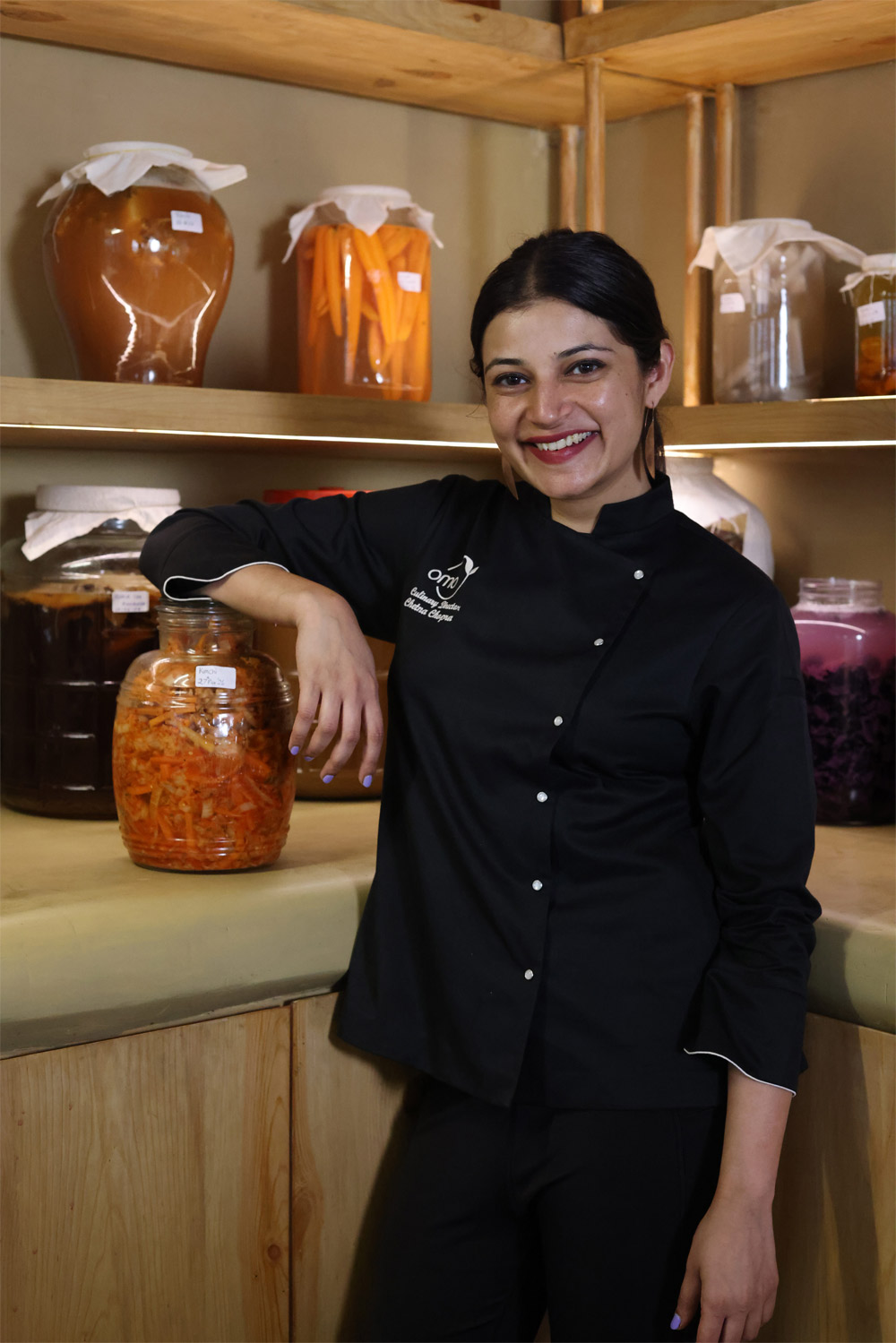
A look at OMO’s fermentation lab with chef Chetna
For the 2026 consumer, luxury isn't about imported excess or visual overstimulation. It’s about giving meals the luxury of time, sourcing intentionally and consuming purposefully. OMO’s menu ticks every box.
What are you most looking forward to next?
It's been a wonderful journey of discovery so far. Thank you to everyone who's opened their kitchens, their businesses and their ideas to us so far. Bengaluru is next, and I can't wait for more cities, more tables, and more conversations!
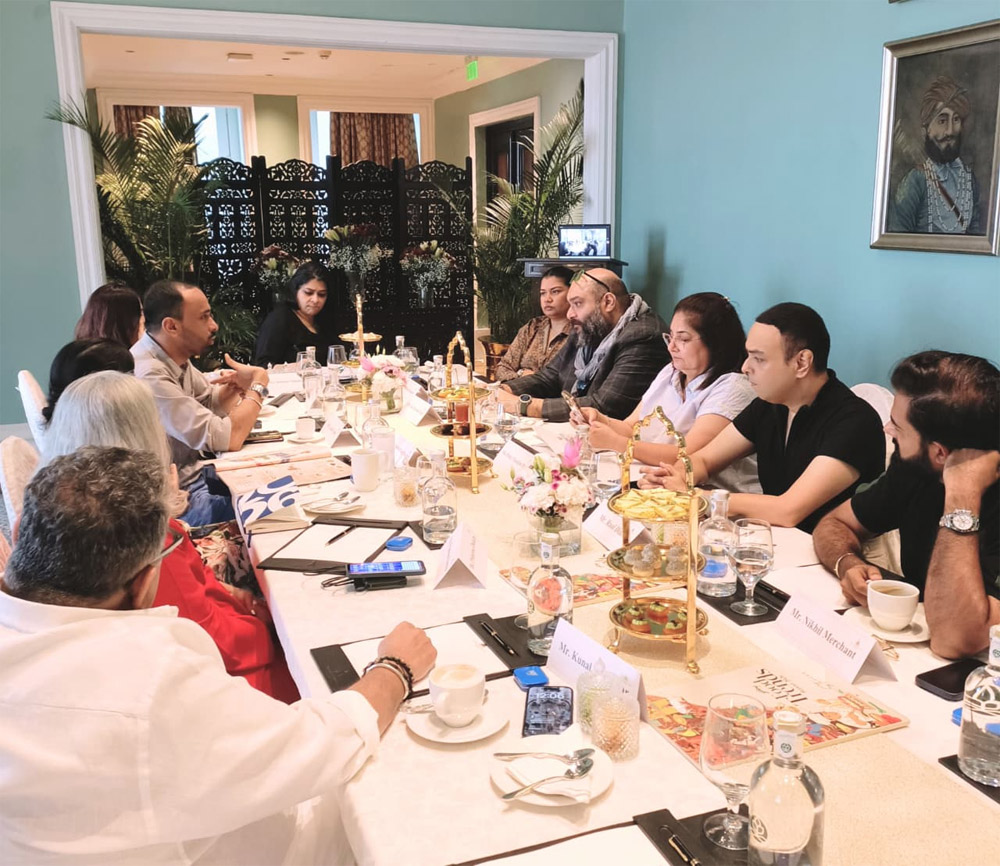
Kunal Vijayakar, Primrose Dsouza, Roshni-Bajaj Sanghvi, Atish Nath, Rushina Munshaw-Ghildiyal, Panchali Mahendra, Sid Mewara, Pinky Chandan Dixit, Raul Dias, and Nikhil Merchant at The Princes Room, The Taj Mahal Palace Hotel, Mumbai.
How are the round tables and parallel observations informing the next issue?
The round tables are the listening tour. Essential fieldwork includes parallel explorations through spaces like Sienna, Kashmiri’s KN Studio in Guwahati, OMO’s Fermentation Lab and Loya at the Taj Mahal Palace.
Delhi sharpened our evolving narrative, with Chetna’s work at OMO reminding us that deep research, archiving intent, and meaningful storytelling hold a vital space in the future of Indian dining. The Taj is a bastion of legacy, it is in effect where the dining out story of India began. It was beautiful to see how Loya is taking that legacy forward into all the aspects shaping modern dining in India.
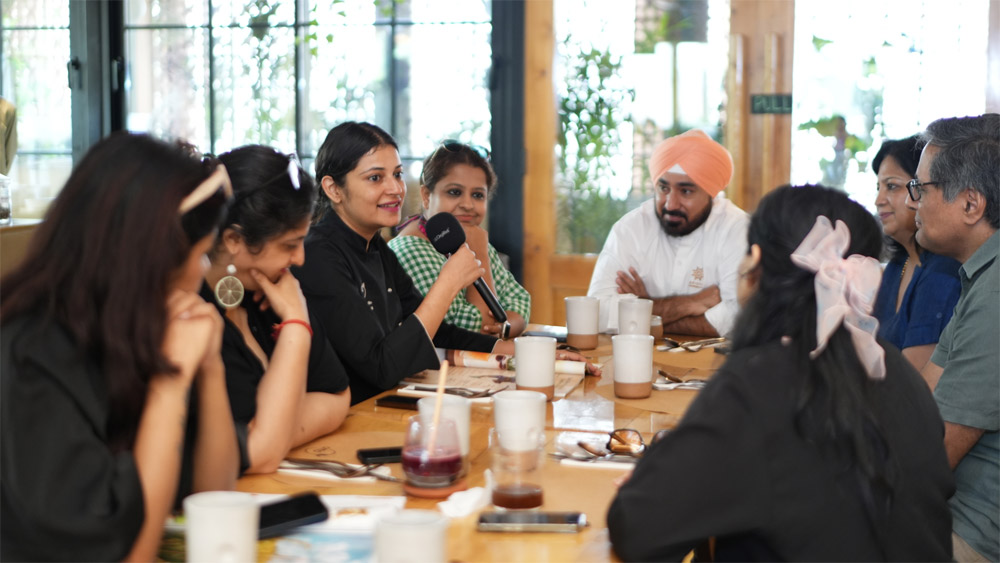
A shot of the Delhi round table
Together, the round tables + labs + institutions allow me to get a 360 ° perspective. The report is a compass, but India’s food landscape only comes alive when you hear the grower, the chef, the historian, and the diner at the same table. That’s what we’re looking for, the insights from the people and places shaping the future of food in India.
Stay tuned for exclusive insights from each round table, coming very soon.
Rate this story:
Tags
Food trends
Vikhroli Cucina
Rushina Munshaw Ghildiyal
Godrej Food Trends Report
Regional Indian Food
GFTR 2027
Indian Gastronomy
Provenance Pincoded
OMO Fermentation Lab
Culinary Future
0 Comment
You may also like
-

Features This is what Ganesh Chaturthi tastes like in a Konkani home
by Vikhroli Cucina -
Features Mumbai: A First Look Inside the Future of Indian Dining
by Vikhroli Cucina -
Features How Eleftheria is Putting Indian Cheese on the Global Map
by Vikhroli Cucina -
Features Gin, bootleggers, and the women who changed how we drink
by Vikhroli Cucina