A little piece of sunshine preserved for the kitchen
A little lentil batter, a generous helping of sunshine and generations of culinary wisdom, that’s the magic of India’s forgotten bari tradition
12 Nov 2026
Long before refrigeration became commonplace, Indian kitchens had their own ingenious systems of food preservation. Pickles were fermented, papads were rolled and dried, vegetables were salted and lentils were transformed into something altogether more fascinating: bari.
Bari is a sun-dried dumpling made from ground lentils, sometimes mixed with spices and other ingredients. The batter is shaped into small nuggets or elaborate patterns and left to dry in the sun until firm. Stored properly, these little creations can last for months, waiting to be brought back to life in a curry, a vegetable preparation or a simple everyday meal. The same basic idea of making baris take on different identities across the country, depending on the lentils available, the local climate, culinary preferences and the creativity of the women who traditionally made them.
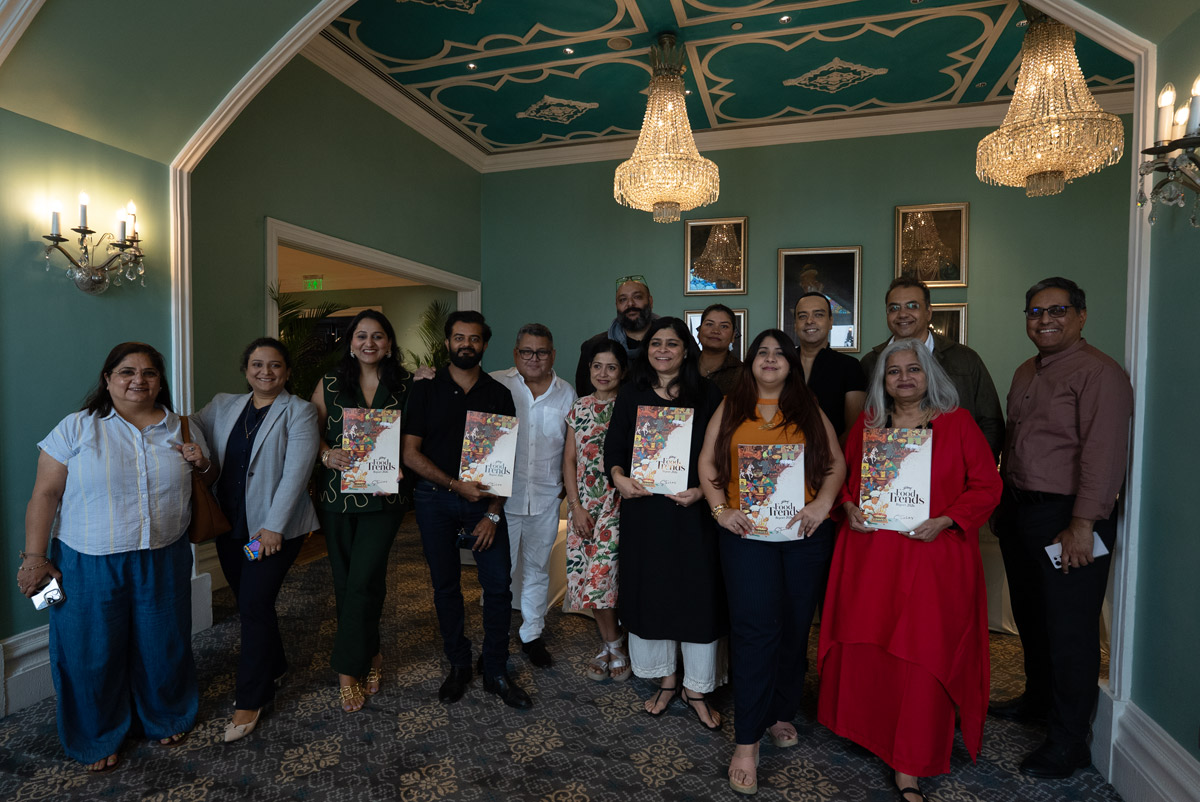
Across India, it appears under different names – bori, badi, wadi, mangodi, sandge and vadagam with each community adapting the basic technique to its own ingredients and cooking traditions. The Godrej Food Trends Report 2026 also points to the growing food movement: Provenance Pincoded, where consumers are looking beyond familiar regional labels to discover the distinctive food traditions of specific communities and places.
Here’s looking at some of the most interesting regional expressions of this tradition.
Bengal: Goyna Bori
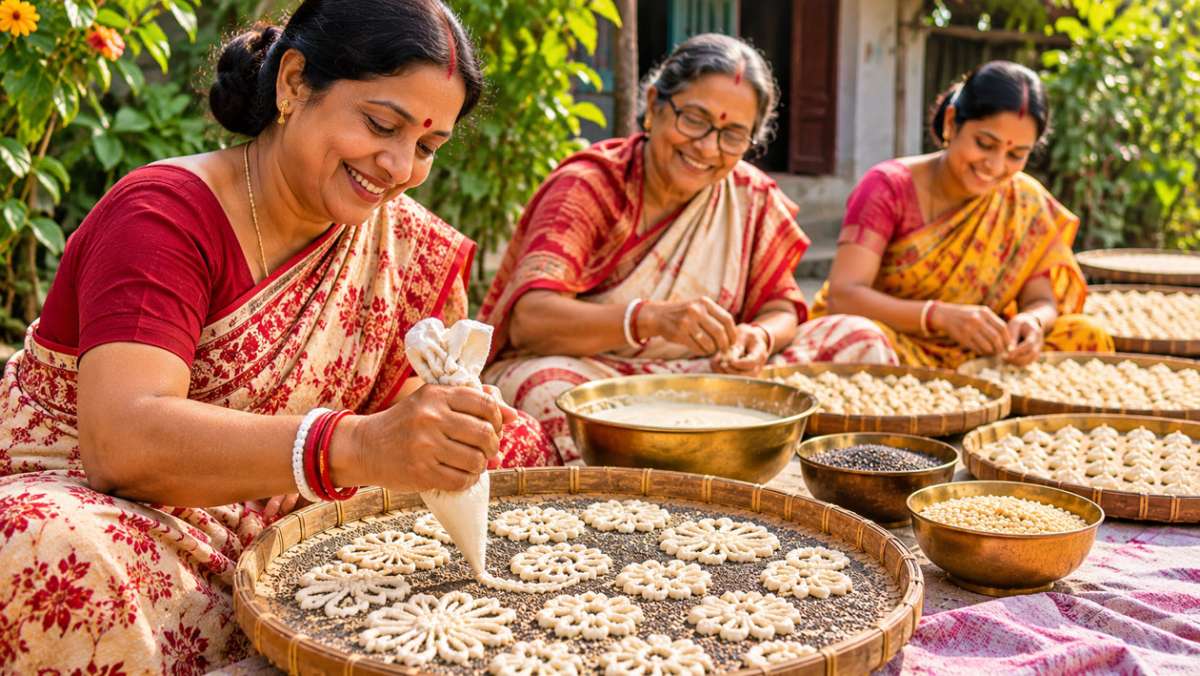
The most extraordinary expression of India’s bari-making tradition comes from Bengal. Known as Goyna Bori, these are not ordinary lentil dumplings. They are edible works of art, shaped to resemble jewellery, lacework, flowers and delicate ornaments. The preparation begins with black gram, locally known as mashkalai or biuli dal. The lentils are soaked overnight, ground into a fine paste and beaten vigorously by hand until the mixture becomes light and fluffy.
The artistry comes next. A bed of poppy seeds (posto) is spread on a plate. The batter is then carefully piped into elaborate patterns using a small cloth cone, stick or needle. Paisleys, floral motifs, geometric patterns and ornamental designs emerge under the hands of skilled makers. Next these are dried in the sun until they become crisp and ready to be stored.
Uttar Pradesh: Dal ki Bari
In Uttar Pradesh, bari is more than a way of preserving lentils. Ground urad dal is shaped into small dumplings and left to dry in the summer sun. Traditionally, making bari was also a seasonal household activity, with families preparing batches during sunny days when the conditions were right for drying. The process was often shared, with women gathering to grind, shape and dry the dumplings. On social occasions like a family wedding, aunts, mothers, sisters and neighbours came together, sharing stories while shaping the dumplings. Beyond this particular wedding custom, UP’s bari traditions include spiced urad dal dumplings with ginger, asafoetida and peppercorns. They add depth to simple vegetable preparations and are often fried before being simmered in gravy.
Rajasthan: Mangodi
In Rajasthan, where water scarcity and the harsh desert climate have historically influenced food habits, preservation techniques became an essential part of everyday cooking. One of the best-known examples is mangodi, small sun-dried dumplings made primarily from soaked and ground moong dal. The lentils are ground into a thick paste, sometimes seasoned with spices, and shaped into small nuggets before being dried in the sun. Once completely dry, they can be stored and used when fresh vegetables are scarce.
Another interesting preparation is moongodi ki subzi, which pairs the dumplings with bottle gourd. The mild vegetable balances the earthy flavour of the lentils.
Punjab: Wadiyan
Travel further north and the humble bari takes on a more robust personality. Punjab’s wadiyan are typically larger, spicier and more intensely flavoured than the smaller lentil dumplings found elsewhere. Traditionally made using urad dal, moong dal or fresh green chickpeas, these sun-dried nuggets are often seasoned with whole peppercorns, crushed red chillies, ginger and other spices. Some regional preparations also incorporate seasonal vegetables such as bottle gourd and radish.
One of Punjab’s much-loved comfort foods is wadi chawal. Here, the wadiyan are fried to release their aroma and then cooked with rice and spices. As the rice absorbs their flavour, the entire dish develops a deep, savoury character.
Odisha: Badi
Here, the dumplings are made in different shapes and combinations, incorporating ingredients such as pumpkin, ash gourd, sesame seeds and groundnuts. One of the best-known ways to enjoy badi is Badi Chura. The dried dumplings are fried until crisp and crushed into a coarse mixture, often combined with garlic, green chillies, onion and mustard oil. It is particularly delicious with pakhala, Odisha's much-loved fermented or water-soaked rice preparation.
Maharashtra: Sandge
These sun-dried dumplings, sometimes also called vade, are prepared from soaked and ground lentils, usually urad dal or a combination of pulses. The batter is shaped into small rounds and dried thoroughly before being stored. Their purpose is especially evident during the monsoon. When damp weather makes sun-drying difficult and fresh ingredients may not always be readily available, a stock of sandge provides a useful ingredient for everyday cooking.
One popular preparation is sandgyachi bhaji in which the dried dumplings are first fried or roasted and then simmered in a spiced gravy, often with onion, garlic and tomatoes. They absorb the masala and soften into flavourful, satisfying bites.
Tamil Nadu: Thalippu Vadagam
The southern Indian kitchen has its own interpretation of sun-dried flavour concentrates. In Tamil Nadu, thalippu vadagam is a traditional seasoning preparation made using ingredients such as urad dal, fenugreek seeds, shallots, garlic and whole spices. These are combined and dried in the sun to create compact seasoning portions. Unlike the conventional bari, which is primarily a lentil dumpling, vadagam is closer to a ready-made tempering mix. It is broken into pieces and used to season dishes such as sambar, kuzhambu and kootu.
Ready to look at lentils differently? Step into the fascinating world of India’s sun-dried delicacies and tell us in the comment section below.
Rate this story:
Tags
Lentil Recipes
Regional Indian Cuisine
Traditional Indian Food
Bari
Indian Culinary Heritage
food preservation
Forgotten Foods
Indian Food Traditions
0 Comment
You may also like
-

Features From Classic Pages to Monsoon Plates
by Vikhroli Cucina -
Features A little jhalmuri, a lot of adda and memories that never get old
by Vikhroli Cucina -

Features This is what Ganesh Chaturthi tastes like in a Konkani home
by Vikhroli Cucina -
Features Mumbai: A First Look Inside the Future of Indian Dining
by Vikhroli Cucina