Mumbai: A First Look Inside the Future of Indian Dining
Where is the future of Indian dining headed? To find out, the Godrej Food Trends Report convened a powerhouse of chefs, hospitality founders, and media voices at the Taj Mahal Palace in Colaba. Dive into the Mumbai leg of the GFTR 10th-anniversary tour, featuring micro-regional Northern Indian feasts, GI-tagged ingredients, and unparalleled insights from the experts shaping our culinary landscape.
14 Aug 2026
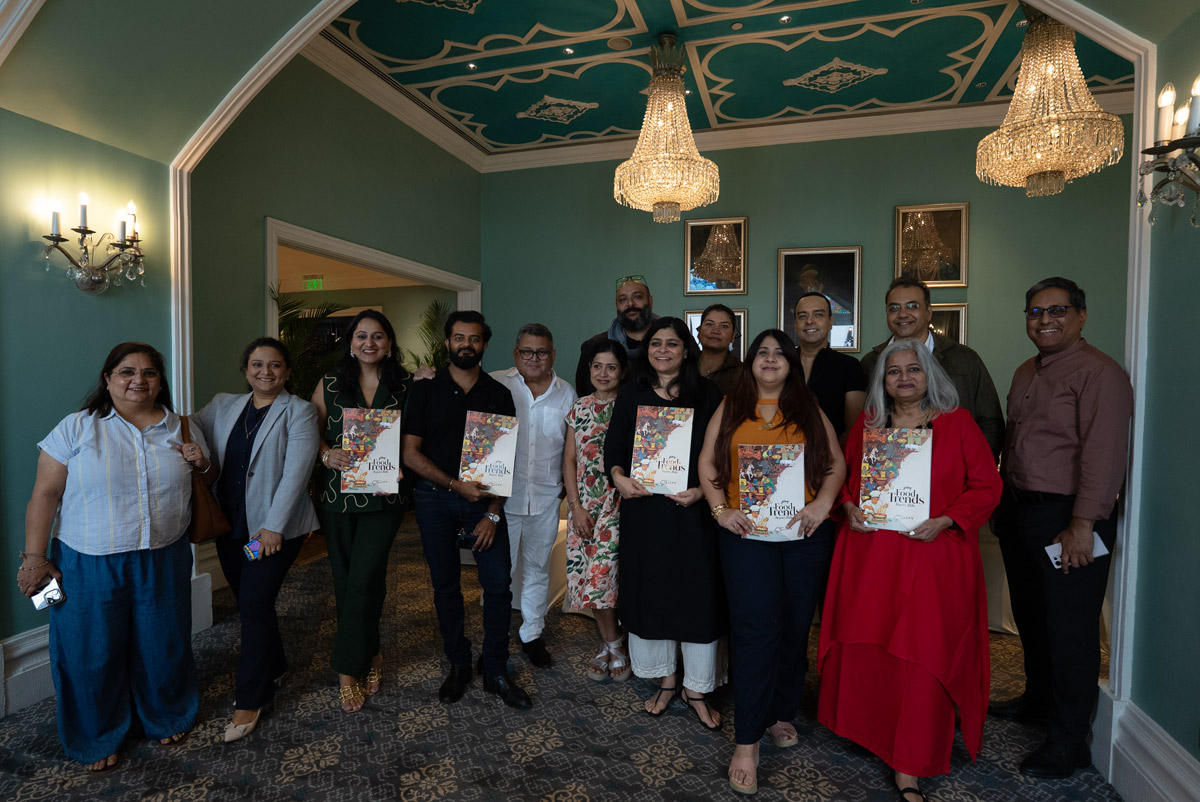
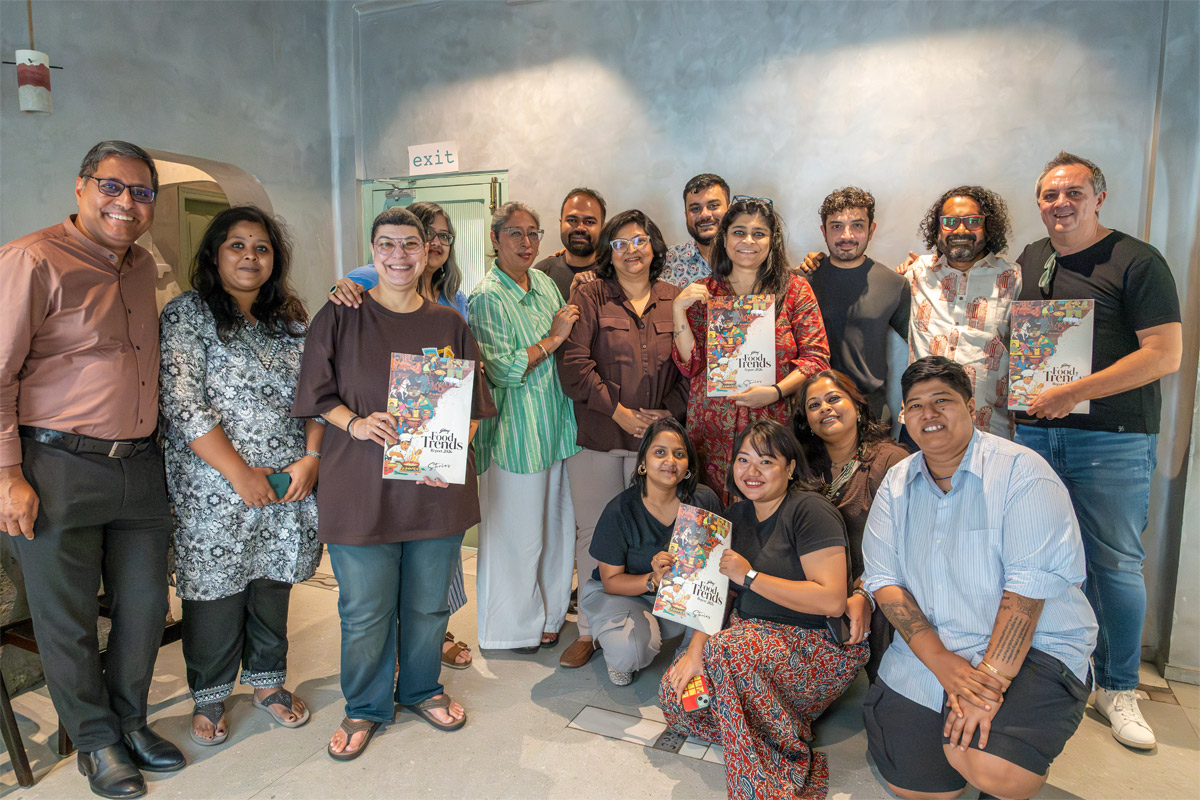
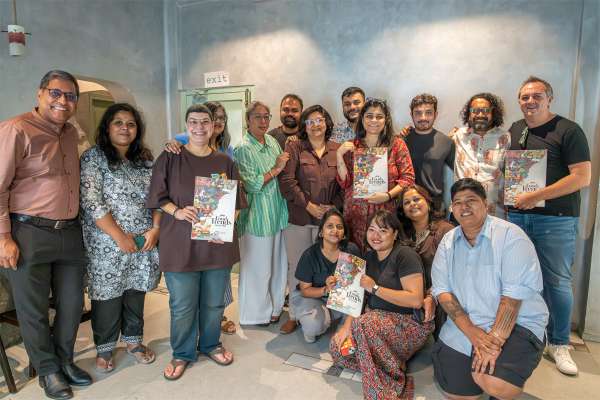
Pinky Chandan Dixit, Michelle Francis, Tripti Bhatia Gandhi, Nikhil Merchant, Kunal Vijaykar, Roshni-Bajaj Sanghvi, Sid Mewara, Panchali Mahendra, Rushina Munshaw-Ghildiyal, Raul Dias, Samreen Tungekar, Primrose Dsouza, Sujit Patil and Chandra Shekhar Ghildiyal at the Mumbai round table.
As the Godrej Food Trends Report (GFTR) builds towards its milestone 10th edition in 2027, the team is embarking on their most ambitious journey yet- traveling to key regions across the country, stepping directly into the field to capture on-ground insights. This pan-India exploration is taking them into select regional gatherings, allowing them to engage intimately with the architects of local food cultures. Following their kickoff in Kolkata, Vikhroli Cucina is thrilled to bring you an exclusive first look inside its recent stop at the Taj Mahal Palace in Mumbai.
Why Mumbai
‘Mumbai is the home of the Godrej Food Trends Report. This is where it all began!” exclaims curating editor Rushina Munshaw-Ghildiyal, and recent 2026 James Beard Media Award winner for Mumbai by Heirloom Cities. Being a focal point for India’s culinary shifts makes this city a critical anchor for the GFTR round table tour. “Mumbai has been at a unique crossroads, reflecting a rich legacy of culinary culture, modern culinary technology and consumer behavior, all of which constantly negotiate with one another. It was always on the menu.”
The Venue: Taj Mahal Palace & Loya
The round table was hosted at the iconic Taj Mahal Palace in Colaba. The working session took place in the historic Princes Room - a space that has witnessed pivotal moments in the country’s journey through Independence and beyond, adding a layer of historical significance to a conversation focused on the future of Indian dining. The lunch that followed the dialogue was hosted at Loya, the hotel’s Indian restaurant that showcased the 2026 trends of 'Provenance Pincoded,' and 'Savoury Cocktails'.
Choosing the Taj Mahal Palace as the venue was deeply intentional. “Our 2026 report talks about the Taj as the place where the dining-out culture originates in India, and it was especially meaningful to host the Mumbai round table herewith chef Rohit all set to steer it in a new direction with his vision," she explained.
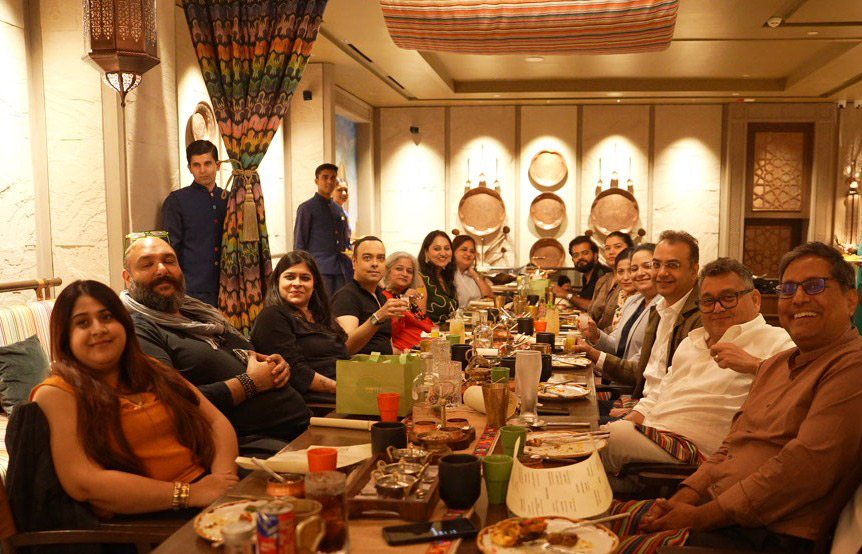
L: Samreen Tungekar, Sid Mewara, Rushina Munshaw-Ghildiyal, Raul Dias, Primrose Dsouza, Tripti Bhatia Gandhi, Pinky Chandan Dixit. R: Chandra Shekhar Ghildiyal, Kunal Vijaykar, Sujit Patil, Michelle Francis, Roshni-Bajaj Sanghvi, Panchali Mahendra and Nikhil Merchant at Loya, The Taj Mahal Palace, Mumbai.
The Gathering
The Mumbai table brought together a powerhouse of thought leaders.
The founder of Soam, Pinky Chandan Dixit, a pioneer of Indian comfort dining, who continues to expand her micro-seasonal, vegetarian footprint with Amchee and Varsoo. Accompanying her was Panchali Mahendra, CEO of Atelier House Hospitality, the structural force behind Michelin-tier, culture-led turnkeys like 11 Woodfire, INJA and most recently Sobo 20.
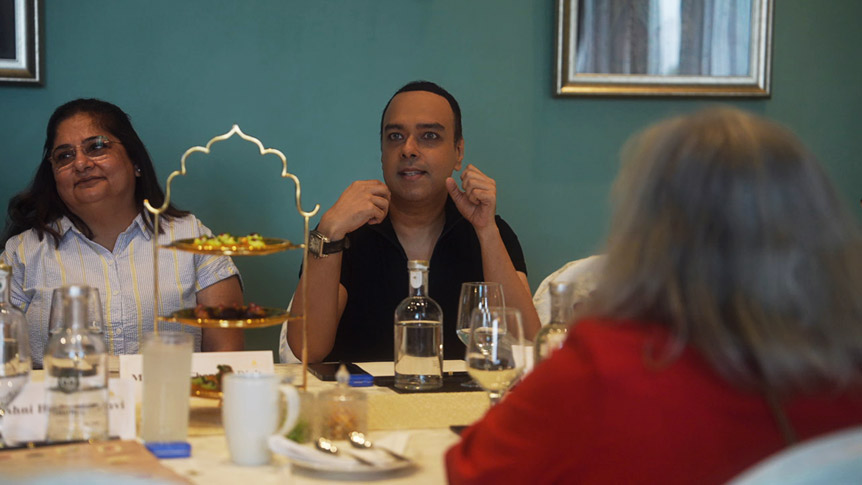
Pinky Chandan Dixit and Raul Dias at the Mumbai round table, The Taj Mahal Palace
Adding unique perspectives to the table were boutique hospitality developer and co-founder of Elevenses Hospitality Nikhil Merchant, who is deeply involved in documenting indigenous Indian brews and sustainable gastronomy, and Sid Mewara, co-creator of The Big Forkers and co-founder of Unreal Foods, whose voice not only brought culinary subculture but also sharp macro-economic insights to the table.
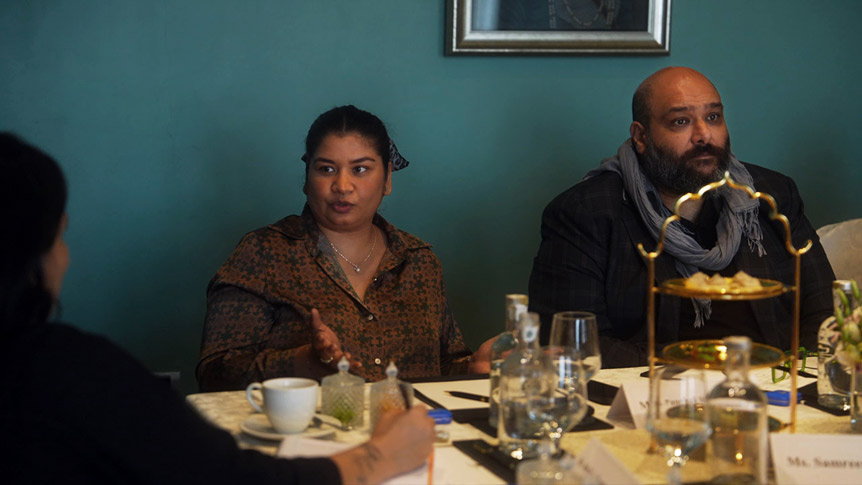
Rushina Munshaw-Ghildiyal, Panchali Mahendra and Sid Mewara at the Mumbai round table, The Taj Mahal Palace
Enriching conversations with food media perspectives through their individual lenses were award winning food and travel writer Raul Dias, chronicler of culinary industry, Restaurant Week India co-founder Aatish Nath, Roshni Bajaj-Sanghvi, the voice of independent food writing, and Samreen Tungekar, Managing Editor of Travel + Leisure India & South Asia, and Tripti Bhatia Gandhi, Founder and CEO, Detales Brand Communications.
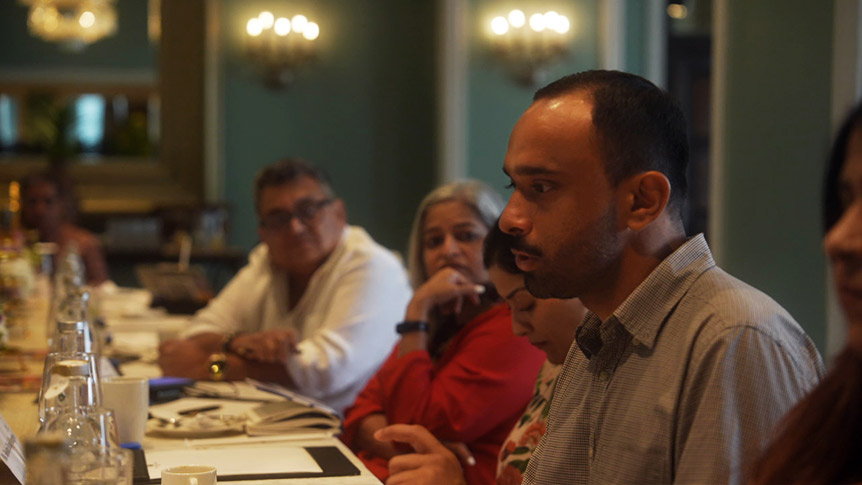
Atish Nath, Roshni-Bajaj Sanghvi, Primrose Dsouza and Kunal Vijaykar at the Mumbai round table, The Taj Mahal Palace
Bringing legacy driven insights to round off were Primrose Dsouza, Managing Editor of Femina, with her insights on how lifestyle, wellness and contemporary food trends play out to the female demographic. Meanwhile, there was also food television star and veteran theatre actor Kunal Vijayakar, who is currently mapping Mumbai’s famous eateries on his youtube channel Khaane Mein Kya Hai.
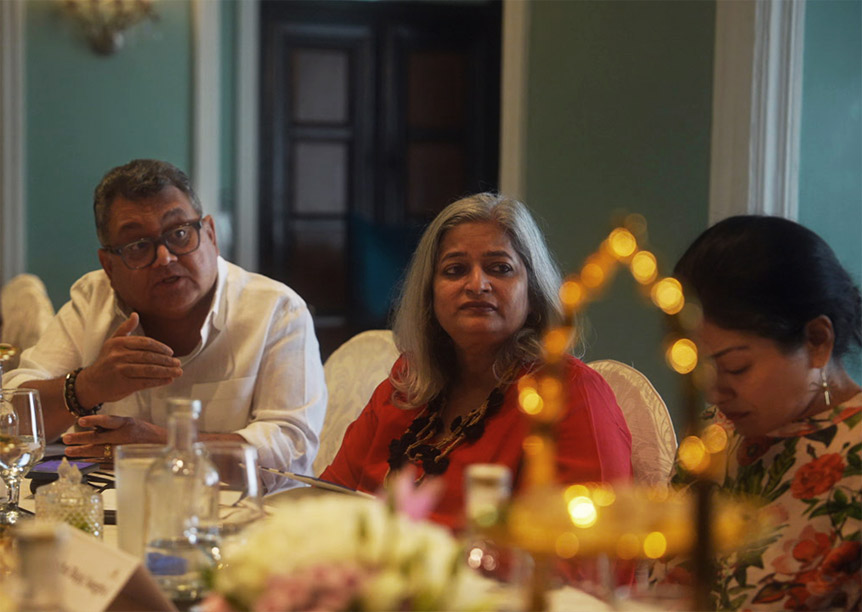
Kunal Vijayakar, Primrose Dsouza and Roshni-Bajaj Sanghvi at the Mumbai round table, The Taj Mahal Palace
The Meal
Loya does food from the heart of the North, spanning across five states: Kashmir, Punjab, Himachal Pradesh, Delhi, and Uttarakhand. It offers dishes which have been passed down from one generation to another. These are unconventional recipes, each having a unique ingredient and a cooking method attached to it.
Elaborating on it, Rohit Sangwan, Executive Chef at The Taj Mahal Palace, Mumbai explained, "The menu was thoughtfully curated. We were excited to see that the 2026 edition of the Godrej Food Trends Report carried a story on GI tags, which is becoming a big conversation.” The Loya team curated unconventional dishes that incorporated some unique ingredients - such as the GI tagged Lakhori chilli from Uttarakhand - and recipes like “the Kangra Kodiya Gosht (meat) uses the powder of char-roasted walnut which lends the dish a dark brown color and lends a lovely earthy flavour from slow cooking under dum.”
The meal was a beautiful progression through dishes like the Gosht Laziz Pasliyan, Rajma cooked with pran (shallots from Kashmir), Daruni Jhinga with fruity sourness from anardanafrom Kashmir. A little tableside theater, such as the carving of the Loya Dum Murgh, punctuated the meal. The intricately presented dessert showcases made the meal emblematic of the kind of immersive dining experiences actively defining the current F&B ecosystem.
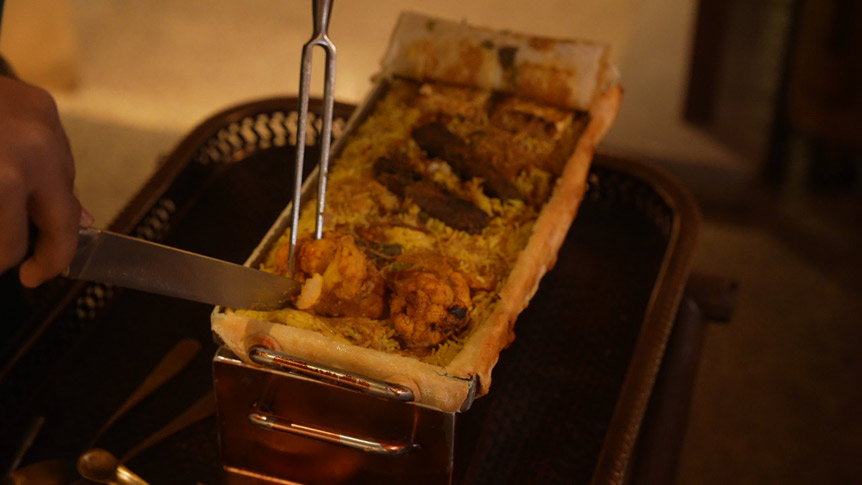
Gosht Biryani at Loya Mumbai
Looking Ahead
The Godrej Food Trends Report round table tour is an intentional move to engage directly with the architects of India’s evolving food scenario. By stepping into the field, the initiative aims to co-create narratives that will serve as a bedrock for the upcoming 10th-anniversary edition.
"I might be the curating editor of the Godrej Food Trends Report, but at heart I am a geek, and these discussions on how India’s food spaces are evolving are deeply engaging. On one hand they are ratifying so much of what we’re seeing in 2026 but on the other the lunch at Loya added an extra layer of insight to how themes like micro-regional, ingredient forward, and intentional are playing out on plates in Mumbai,” observed Munshaw-Ghildiyal.
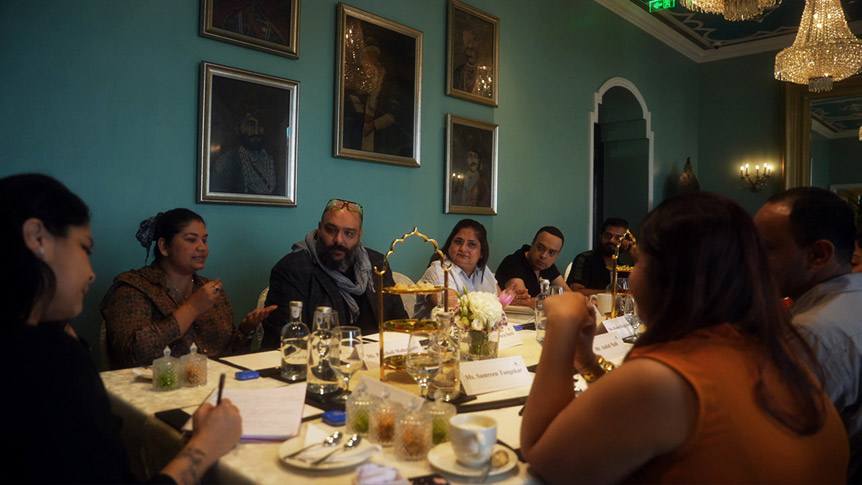
A shot of the round table in full swing at The Princes Room, The Taj Mahal Palace, Mumbai.
Over the past decade, GFTR has become a mirror reflecting India’s constantly evolving culinary space. Sujit Patil, Chief Communications Officer, Godrej Industries Group, said, “Food, after all, is rarely only about food; it is where storytelling, creativity, provenance, and memories quietly negotiate with one another. For this tenth edition, we made a deliberate choice to step away from the desk and into the field, travelling to the cities that have authored India's culinary imagination, and convening the chefs, restaurateurs and thinkers who are writing its next chapter. The Mumbai leg, hosted at The Taj Mahal Palace, Colaba, was a reminder of why these matters: the most instructive insights emerge not from surveys alone, but from practitioners in dialogue with one another. We believe this is what will make the GFTR stronger, more authentic and trusted in the years ahead.”
Stay tuned for exclusive insights from round tables across cities. Kolkata is next!
Rate this story:
Tags
Food trends
Vikhroli Cucina
Rushina Munshaw Ghildiyal
Godrej Food Trends Report
Mumbai restaurants
GFTR 2027
Taj Mahal Palace
Loya Mumbai
Indian Fine Dining
Culinary Industry
0 Comment
You may also like
-

Features This is what Ganesh Chaturthi tastes like in a Konkani home
by Vikhroli Cucina -
Features Mapping the next decade: Rushina Munshaw-Ghildiyal on the road to GFTR 2027
by Vikhroli Cucina -
Features How Eleftheria is Putting Indian Cheese on the Global Map
by Vikhroli Cucina -
Features Gin, bootleggers, and the women who changed how we drink
by Vikhroli Cucina