The Culinarian's Take: Why micro-restaurants are India's hottest dining trend
What if the chef was also your host? The ‘micro-restaurant’ trend is breaking the 'fourth wall' of dining. From Papa's to Naar, this issue of Culinarian’s Take explores how these intimate, 20-seat spaces are putting diners right in the action, offering a seat to a personal narrative that's becoming the hottest thing in town
13 Nov 2025
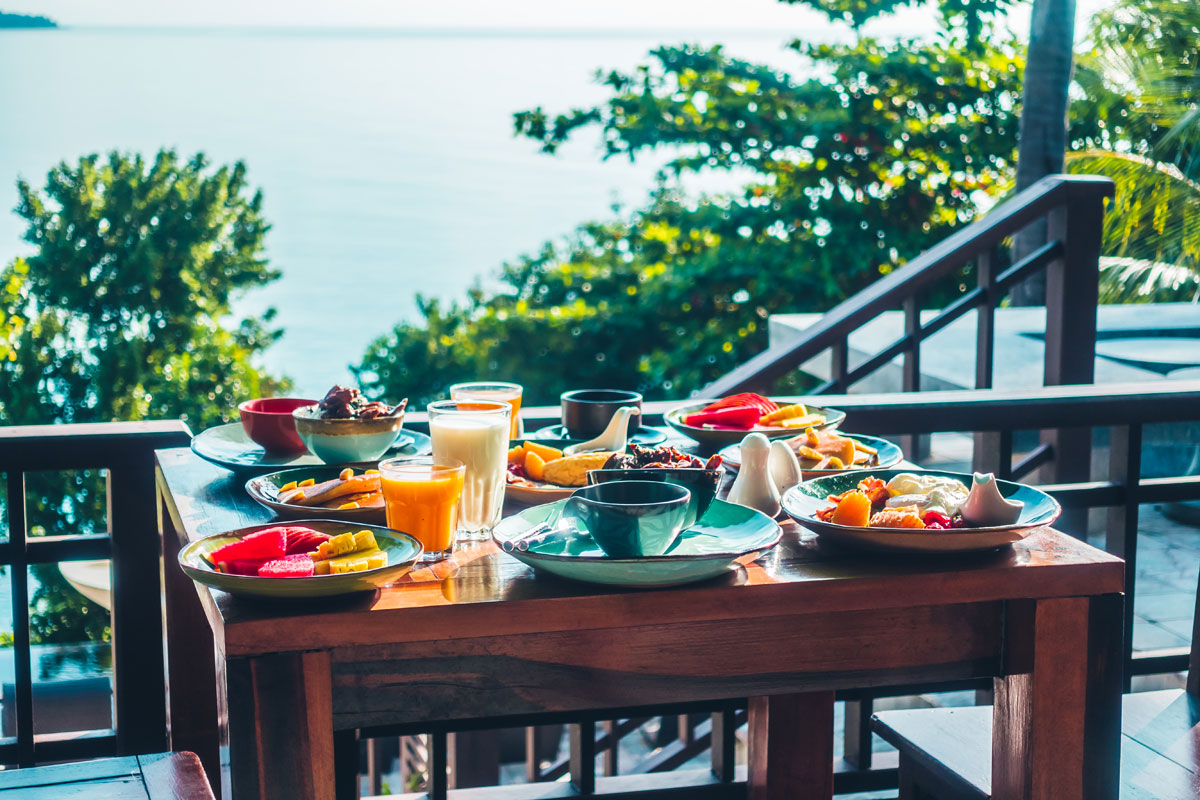
Are sprawling, impersonal dining rooms slowly turning into a thing of the past? There may be (some) evidence to that. India’s restaurant industry is shrinking… in size, though definitely not ambition. From Papa's, a 12-seater in Mumbai, to Naru Noodle Bar, a 20-seater in Bengaluru, these "pint-sized powerhouses" are proving that less is definitively more. Micro-restaurants with seating ranging anywhere from 7 to 20 or so odd people are becoming the hottest tickets in town.
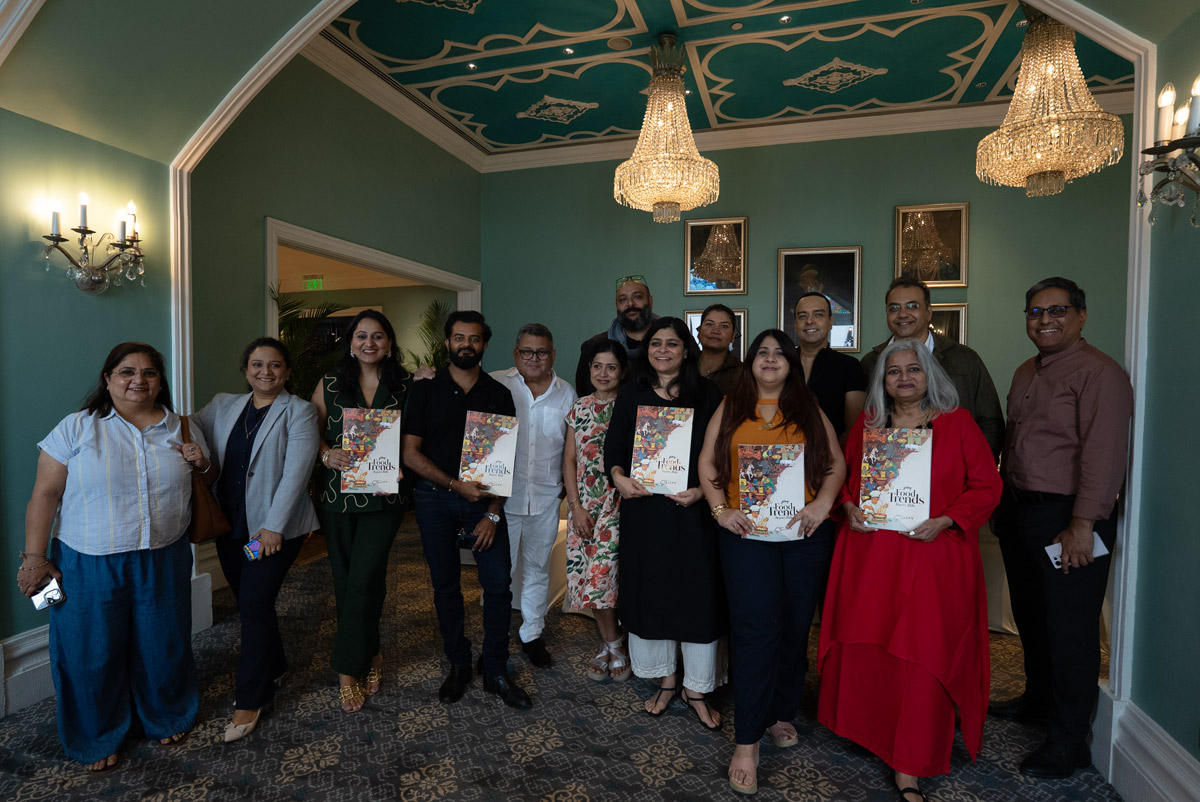
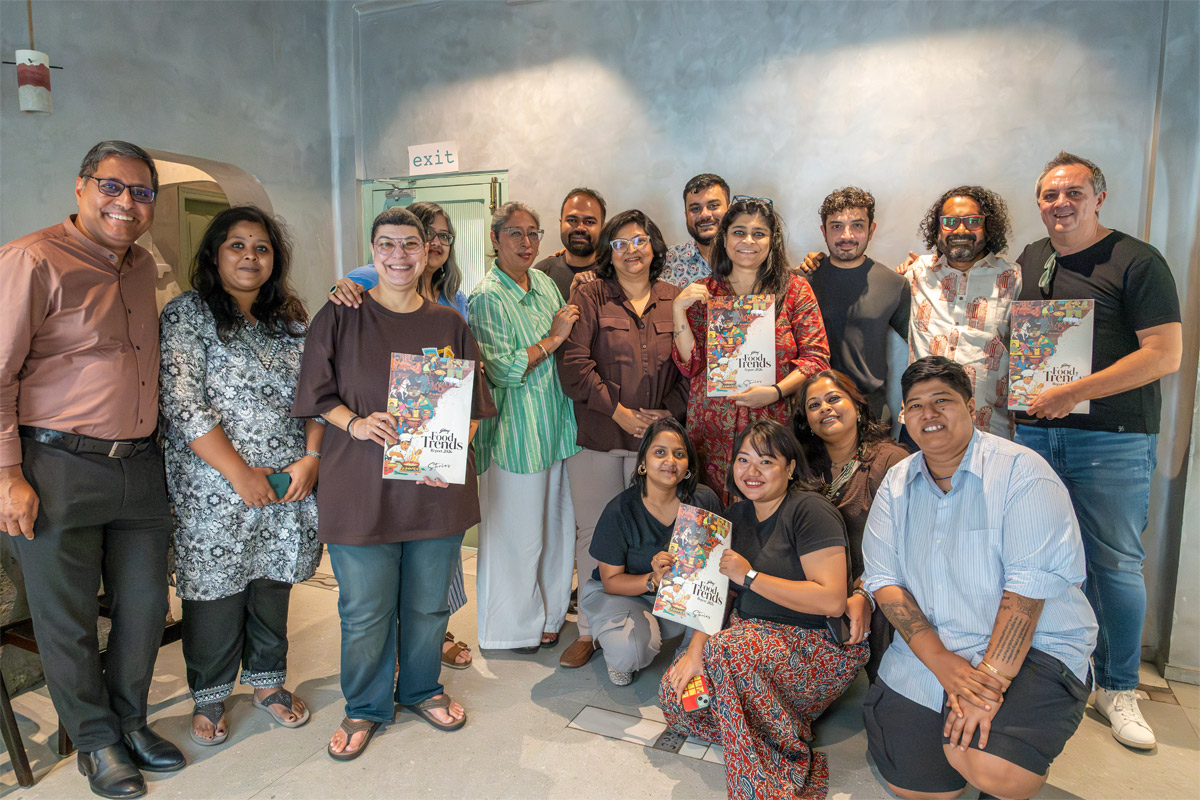
In fact, the Godrej Food Trends Report 2025 had accurately predicted the sharp rise of this venture.

When it comes to new and exciting dining formats, micro-restaurants (81%), by renowned chefs, with limited, eclectic menus, focusing on specific cuisines or culinary concepts, are in the limelight this year.
It’s a direct response to evolving dining preferences. Diners are tired of "uptightness" and hungry for experiences that feel personal and real. While larger concepts struggle with high costs, "micro restaurants are an interesting growth area however," notes industry expert Sid Mewara, in the GFTR.
These tiny spaces are changing what a "luxury" meal entails.
It’s about narrative and a direct, unfiltered connection to the chef.
Dining as theatre
The primary draw of the micro-restaurant is the breaking of the ‘fourth wall’ between the kitchen and the table.
At Papa’s in Mumbai, as Amin Ali notes in ‘The Intimate Plate,’ one of India's finest chefs, Hussain Shahzad, isn't in the kitchen; he's waiting for you at the table. You are in his zone. You hear every exchange with his team, watch each dish come alive step by step, and see the plating unfold right under your nose... You're witnessing a performance, and are a part of the cast.
This is precisely what modern, food-conscious diners crave. They want "a connection to the chef, the kitchen, the ingredients, and the story". It taps into a desire for exclusivity.
"It’s the sense of exclusivity that appeals to diners," Shahzad tells Amin Ali. "They enjoy being in the chef’s hands, not having to make decisions. It’s fun—but also a huge responsibility. When someone devotes three hours of their life to you, it has to count."
This proximity demands a new level of skill. "At such small spaces, guests are watching your every move," Shahzad explains. "Cooking and service have to be graceful. The dinner is a show—and that takes real training." For Shahzad, it’s as personal as it gets: "It’s like throwing a party in your own kitchen."
Narrative is a luxury
That "show" is more than just technical flair. Micro-restaurants are also offering a powerful, tangible narrative.
The panel at Godrej Food Trends Report also identifies storytelling (77%) as a key menu inspiration.

And this is where micro-restaurants have an edge. According to Panchali Mahendra of Atelier Hospitality, "People are drawn to story-driven concepts" (Amin Ali). "This is one occasion when diners put their phones away and truly engage... It’s about chefs opening up about their career, their culture, their creativity."
This is impossible to replicate in a 200-seat hall. Aditi Dugar, whose Masque Lab in Mumbai is part R&D kitchen, part 14-seater chef’s table, explains the power of this format to Amin Ali. "Limited seating allows deeper storytelling," she says. "The chef can speak to each guest, explain techniques, or show how we brine, ferment, and develop flavours. The Lab lets us explore ingredients more thoroughly and share that process with the diner."
Control, craft, and hyper-focus
Why are top-tier chefs abandoning large-scale operations for these tiny spaces? Control over their craft.
Chef Himanshu Saini, whose Trèsind Studio holds three Michelin stars, lays it out perfectly for Amin Ali: "To keep everything under control, you need an environment that is micro, not macro. Dining rooms are getting smaller, but the food is more precise, the service more focused, and the ingredients of the highest quality."
This control is a sanctuary. It’s an escape from the operational chaos of a large restaurant where, as chef Navika of Zuru Zuru tells the Hindustan Times, “Food sometimes takes a back seat" to the social priorities of large groups. A small space allows for "specialised operations, mindful service, and consistently delivering high quality."
This hyper-focus is what enables the other two major trends noted by the panel in the GFTR 2025: provenance (85%) and regional identity (86%) of significance when it comes to menu inspiration. When you're only cooking for 16 people, you can obsess over ingredients in a way that is commercially unviable at scale.
Look at Chef Prateek Sadhu’s Naar, a 20-seat restaurant nestled in the Himalayas.
He’s a chef completely immersed in his environment. "The future of Indian cuisine relies on the stories of all its regions being told. At Naar, I’m cooking the mountains," Sadhu explains to 50 Best. He’s not just highlighting an ingredient; he's highlighting the "stories and rituals associated with it."
The results speak for themselves. "Watercress flowers make an appearance atop prickly pear sorbet shavings that sit in a pool of green chilli juice. It’s both wild and mouth-puckeringly delightful," reports 50 Best.
The destination diner
Prateek Sadhu tells Amin Ali, "People are willing to travel just to eat." His restaurant had "no footfall logic... no reason for anyone to come here. But people came from everywhere."
This is the new "destination diner." At Farmlore in Bengaluru, the 18-seater has no menu. As chef Johnson Ebenezer reports, diners are taken on a mid-meal walk through the farm. "Every single element is curated—from the dish to the playlist," he says. At The Table in the Hills, Chef Avinash Martin’s dining room is a 250-acre forest in Goa. "Nature is the star," he tells Ali.
In high-rent cities, small is smart. "In a city like the Capital, where real estate comes at a premium, compact formats are not just practical but necessary," explains Ruchira Priyanka Hoon to the Hindustan Times. "Then there are the overheads, service staff, electricity bills—it all adds up."
Of course, a 16-seat restaurant is a high-stakes gamble. To dine at Naar, "Guests are required to pay the full amount at the time of booking" (Hindustan Times). And the restaurant has a "strict no-refund policy for cancellations made the day before or on the day of the reservation."
It works. Chef Sadhu tells the Hindustan Times that Naar is "almost fully booked every day, with a two-week waiting list."
The future of dining is focused
This is not a fleeting trend. This is a "renaissance period in F&B," as Prateek Sadhu calls it. It’s a fundamental shift away from scale and toward "precision, emotion, and intent" (Amin Ali).
Sandesh Reddy, who runs an 18-seater Tokyo Diner in Chennai, sees it as the clear path forward. "Scarcity does drive demand," he tells the Hindustan Times. "The beauty of running a small, chef-driven restaurant is that the food becomes the reason people keep coming back... These niche spaces are the way forward. They foster creativity... It’s definitely the future."
The micro-restaurant redefines luxury as intimacy. It "pleasantly blurs the lines between the kitchen and the dining tables," says Aditi Dugar (via Amin Ali). It's an experience where the chef can ensure that every single plate is experienced exactly as it was meant to be, and that "nothing is lost in translation."
What did you make of this Culinarian’s Take? Which other fresh take would you like us to cover next? Let us know in the comments!
Rate this story:
Tags
Food trends
Godrej Food Trends Report
immersive dining
Culinarian's Take
Micro-restaurants
Dining Trends
Indian Restaurants
0 Comment
You may also like
-

Features This is what Ganesh Chaturthi tastes like in a Konkani home
by Vikhroli Cucina -
Features Mumbai: A First Look Inside the Future of Indian Dining
by Vikhroli Cucina -
Features Mapping the next decade: Rushina Munshaw-Ghildiyal on the road to GFTR 2027
by Vikhroli Cucina -
Features How Eleftheria is Putting Indian Cheese on the Global Map
by Vikhroli Cucina