The Culinarian's Take: The new wave of Indian craft gin is here
It started in 2017 with a renaissance. Today, Indian craft gin has moved far beyond the standard G&T. We are witnessing an era of 'Gin Maturation,' where brands are ditching imported berries for Himalayan Juniper, foraging for more homegrown ingredients, harvesting rainwater in Meghalaya and distilling the very spirit of the Indian soil.
28 Jan 2026
India first saw its first gin ‘renaissance’ in 2017, a decisive turning point in the way this spirit was consumed in the country. With the launch of Nao Spirits' ‘Greater Than Gin’, the accessibility and its homegrown nature helped gin rise the ranks of the clear spirits, and it quickly became one of the ‘most vibrant spirit’ in the country.
Cut to the current wave of Indian gin, which is also challenging ‘norms’. This wave is now rethinking native botanicals and regional provenance. And at the heart of it is the ‘Made in India’ movement.
Goa's favourable excise laws, excellent access to pure water and proximity to a wealth of spices have cemented its status as the centre of all innovation. And it is here that much of the experimentation takes root.
Brands like Doja are merging botanicals from a Goan and a Japanese distillery, resulting in an Indo-Japanese fusion using Yuzu, Sansho Pepper and Hinoki chips along with the classic Indian cardamom. Similarly, Hichki pays homage to the East with a focus on floral aromatics, most notably Sakura (Cherry Blossom).
Tamras (Adventurist Spirits) represents the artisanal purists, employing a custom Müller copper still named "Odysseus" and using a slow-dilution process of over 28 days to achieve exceptional smoothness, with lotus flower and fresh mosambi (sweet lime). In contrast, Sector focuses on the issue of ‘drying’ gins by distilling the fruit pulp, not just the peel, of grapefruit and Valencia orange.
Matinee was created to break the ‘serious’ gin aesthetic, focusing on bright, pop-flavours with botanicals like Snake Saffron and White Turmeric, while Seqer roots its identity in the state's agriculture, becoming a ‘spirit of the soil’ gin that uses cashewnuts for a unique, creamy texture.
Hapusa was a game-changer, the first to reject imported berries from Europe, in favour of indigenous Himalayan Juniper, which is shrubbier and earthier. This commitment to provenance is paired with botanicals like raw mango and gondhoraj lime.
Operating out of Meghalaya, one of the wettest places on earth, Cherrapunji is unique in its use of rainwater harvesting for its water source. Its profile embraces local flavours like Smoked Tea and Khasi Mandarin.
Kumaon & I commits entirely to its region, sourcing all ingredients from Uttarakhand's Kumaon area. Its slow-distillation process aims to capture the very ‘mountain air’ of the region, featuring native galgal (hill lemon) and black turmeric.
Nisaki is India's first colour-changing gin. It uses the natural pigments of the Butterfly Pea Flower to shift from indigo to pink on the addition of tonic. Mohulo bridges the gap between traditional tribal spirits and modern gin, using the indigenous Mahua flower to create a distinct, aromatic Sipping Gin. Baagh wants to lead with a ‘garden’ feel with a ‘citrus and spice’ profile that includes a Darjeeling tea variant, reflecting the rich tea culture of the East.
But we are now far beyond the ‘Gin Boom’, the spirit, now subsided, has given way to an era of ‘Gin Maturation.’ The industry sentiment suggests further consolidation and refinement, with a laser focus on quality and authenticity.
Founders like Bharat of Sector Gin are driving innovation in the drinking experience, recognising that the ‘Gins are very drying.’ "We peel our citrus and use the pulp to make a distillate enhancing mouthfeel and drinkability. Meanwhile, the trend of going back to our roots is gaining traction, "Can we distill the spirit of a forest?" asks Vaniitha Jaiin, Founder of Vanaha.
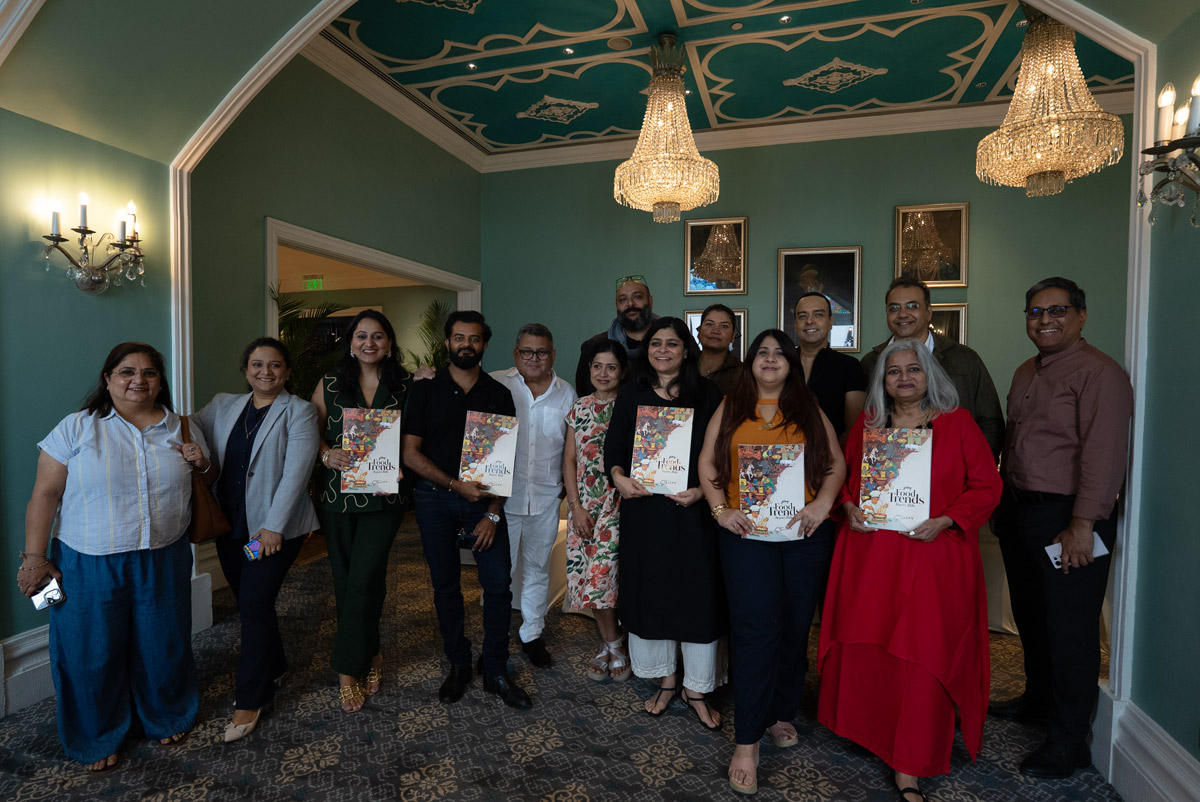
The Godrej Food Trends Report 2025 is also showing us a shift toward conscientious consumption. We are now asking questions like: Where is the water from? Who grew the juniper? This with the demand for seasonality (gins using seasonal harvests) and a regional revival (incorporating ingredients like Mahua, Hemp and North-Eastern citrus) and we have the most dedicated sense of revival.
The term "botanicals" is now also becoming passé. Brands like Hapusa and Tamras pride themselves on sourcing trips and relationships with local farmers, there’s a deep connection to the land that moves beyond simple supplier contracts.
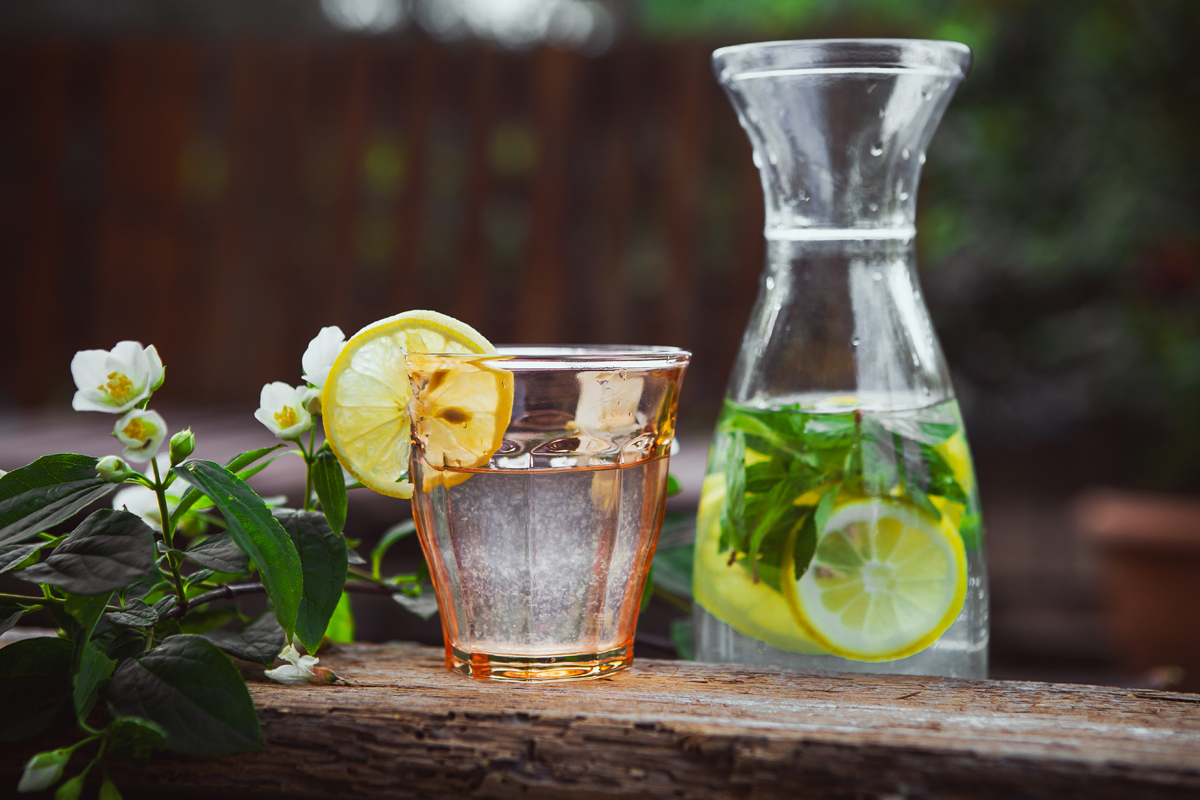
But the ultimate litmus test for a modern Indian gin is its ability to stand on its own. The objective of brands like Mohulo, and barrel-aged ones like Stranger & Sons (Sherry Cask), is to remove the Tonic entirely. A good modern Indian gin must be enjoyable neat or on the rocks.
The era of the ‘sipping gin" is here. Are you ready to ditch the tonic and try these spirits neat? Tell us how you enjoy your gin in the comments below!
Rate this story:
Tags
Godrej Food Trends Report
Sustainability
Goa
Gin
Indian Craft Gin
beverage trends
Alcohol Trends
Made in India
Hapusa
Tamras
cocktails
0 Comment
You may also like
-

Features This is what Ganesh Chaturthi tastes like in a Konkani home
by Vikhroli Cucina -

Features Mumbai: A First Look Inside the Future of Indian Dining
by Vikhroli Cucina -

Features Mapping the next decade: Rushina Munshaw-Ghildiyal on the road to GFTR 2027
by Vikhroli Cucina -
Features How Eleftheria is Putting Indian Cheese on the Global Map
by Vikhroli Cucina