How Eleftheria is Putting Indian Cheese on the Global Map
Why can't any Indian cheese maker participate?" With that single question, Mausam Narang of Eleftheria Cheese shattered the glass ceiling of the international cheese scene. We explore how one artisan is elevating Indian terroir and educating the modern palate on the magic of mould, whey, and patience
05 Aug 2026
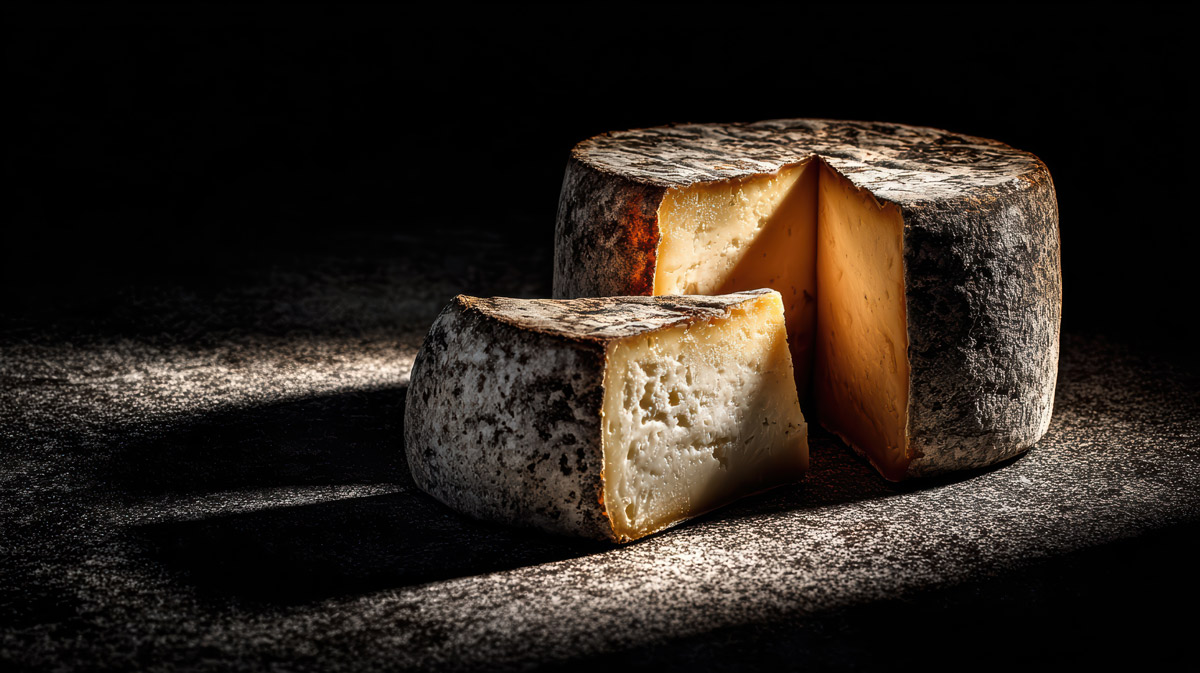
"Why can't any Indian cheese maker participate?" With this, Mausam Narang of Elftheria Cheese broke into the international cheese scene, earning a historic Silver at the World Cheese Awards in Spain. Recently, the brand cemented its status by winning four medals at the Mundial do Queijo do Brasil 2026. Reacting to her initial international success, Narang stated, "I was ecstatic when I heard the news. It was a huge moment for all Indian cheese artisans."
Let’s look at the winners:
Brunost
A masterful Indian take on a traditional Norwegian brown cheese, made entirely from upcycled leftover whey. The whey is simmered over controlled heat until its natural sugars caramelise into a dense, solid block. It requires technical precision and temperature management to avoid bitterness. The result is a smooth, sliceable cheese with a fudge-like texture, with lingering toffee, butterscotch, and deep caramel notes balanced by a hint of saltiness. It won a Gold medal in Brazil and previously grabbed the 4th spot globally at the World Cheese Awards.
Gulmarg
An exceptional Indian interpretation of a classic French Brie-style cheese using local cow's milk. It secured a highly coveted Super Gold medal at the Mundial do Queijo do Brasil 2026 for its rich, balanced buttery notes and consistent ripening. As it ages, it dynamically transforms from soft and creamy to developing a distinctly mushroomy, earthy flavor with an intensely aromatic, luxuriously runny, gooey center.
Cheese is a reflection of where the milk comes from
Cheesemaking was a leap of faith for Narang. "My parents are very supportive, but they were worried about the amount of cheese I was making during weekends. We Indians don't learn about cheese-making from our forefathers. Similarly, my parents were clueless," she laughs.
She notes that "Cheese is essentially milk with time and patience," adding that the craft requires extreme care, especially with fermented products. "I don't like getting up early, but the milk forces me," she says, "Cheese is a reflection of where the milk comes from."
Creating her Norwegian-style brown cheese was particularly exciting because it represents a bridge between cultures. "That's quite like a fusion of khoya (milk cake), the traditional Indian milk solid and whey," she explains. "The cheese is also unique to the Indian market. It tastes almost like salted caramel milk fudge. Brunost goes well with your morning breakfast of toast and pancakes too."
Part of her journey also involves educating the Indian consumer, who might be intimidated by unfamiliar textures or rinds. On the topic of Brie, she reassures buyers: "The mould is intentional and safe, it contributes to flavour rather than spoilage."
India's regional dairy traditions are being elevated to world-class standards. The varieties of cheese getting a spotlight are complex, hyper-local terroirs. Some of them are:
Kalari: Originating in Jammu & Kashmir, this ripened cheese is tied to Dogra traditions and the nomadic Gujjar-Bakarwal community. Traditionally fried as a local delicacy, it has gained national fame, with Prime Minister Narendra Modi famously dubbing it the "Mozzarella of Kashmir."
Qudam: Found in the same geographical region as Kalari, this is a hard cheese crafted specifically from goat's milk.
Churpi: This comes from the Himalayan belt (Sikkim, Arunachal Pradesh, Ladakh), this smoky, hard cheese has sustained pastoral communities for centuries. Traditionally made from yak milk (and now mixed milks), it is known as the hardest cheese in the world and boasts an astonishing shelf-life of up to 20 years at room temperature. PM Modi noted that "the simplicity and softness of the mountains are felt in its taste." Ladakh's Yak Churpi-Soft offers a rustic, tangy flavor that standard cow's milk cannot replicate.
Kalimpong Cheese: A Bengal variety, this semi-hard, mildly sharp cheese matures in the crisp mountain air, developing a slightly acidic and nutty flavor profile.
Surti Cheese (Topli nu Paneer): A cherished Parsi specialty from Gujarat and Maharashtra. This soft, velvety cheese is coagulated with rennet and uniquely set in small wicker baskets (toplis), giving it a characteristic textured surface.
How big can cheese get?
India's varying climates dictate how a cheese ages and the flavours it develops. High-altitude environments like Bengal and Ladakh are vital for the mountain air maturation of Kalimpong and the complex flavour profile of Yak Churpi.
Conversely, adapting European slow techniques to India's warmer climates requires relentless temperature control. The climate poses such a strict challenge that a single power cut can completely destroy an entire batch of carefully aged cheese.
The industry is scaling too. Indigenous cheeses are now backed by cold chain logistics, automated hygiene testing, and smart packaging. A new wave of startups is also creating fusion varieties that blend traditional Indian flavors with global techniques. The Indian cheese market was valued at INR 12,889 Crore in 2025 and is projected to reach INR 61,988 Crore by 2034.
As for the cheesemakers on the ground, the outlook is remarkably bright. "India is not that big for cheese artisans, but the number is increasing steadily," concludes Mausam Narang. "People are travelling and have developed a palate and now know about different food combinations. I feel a lot of cheese makers will come up from India in the next five to six years."
Rate this story:
Tags
Vikhroli Cucina
artisanal cheese
Indian cheese
Eleftheria Cheese
Mausam Narang
Food Industry Trends
Kalari Cheese
Churpi
Dairy Innovations
0 Comment
You may also like
-
Features A little jhalmuri, a lot of adda and memories that never get old
by Vikhroli Cucina -

Features This is what Ganesh Chaturthi tastes like in a Konkani home
by Vikhroli Cucina -
Features Mumbai: A First Look Inside the Future of Indian Dining
by Vikhroli Cucina -
Features Mapping the next decade: Rushina Munshaw-Ghildiyal on the road to GFTR 2027
by Vikhroli Cucina