Gin, bootleggers, and the women who changed how we drink
From hidden stills to the Bee's Knees, female bootleggers dismantled gender norms and created modern cocktail culture. With insights from author Sandhya Mulchandani, we examine how women transformed harsh spirits into the cocktails that redefined our bars.
05 Aug 2026
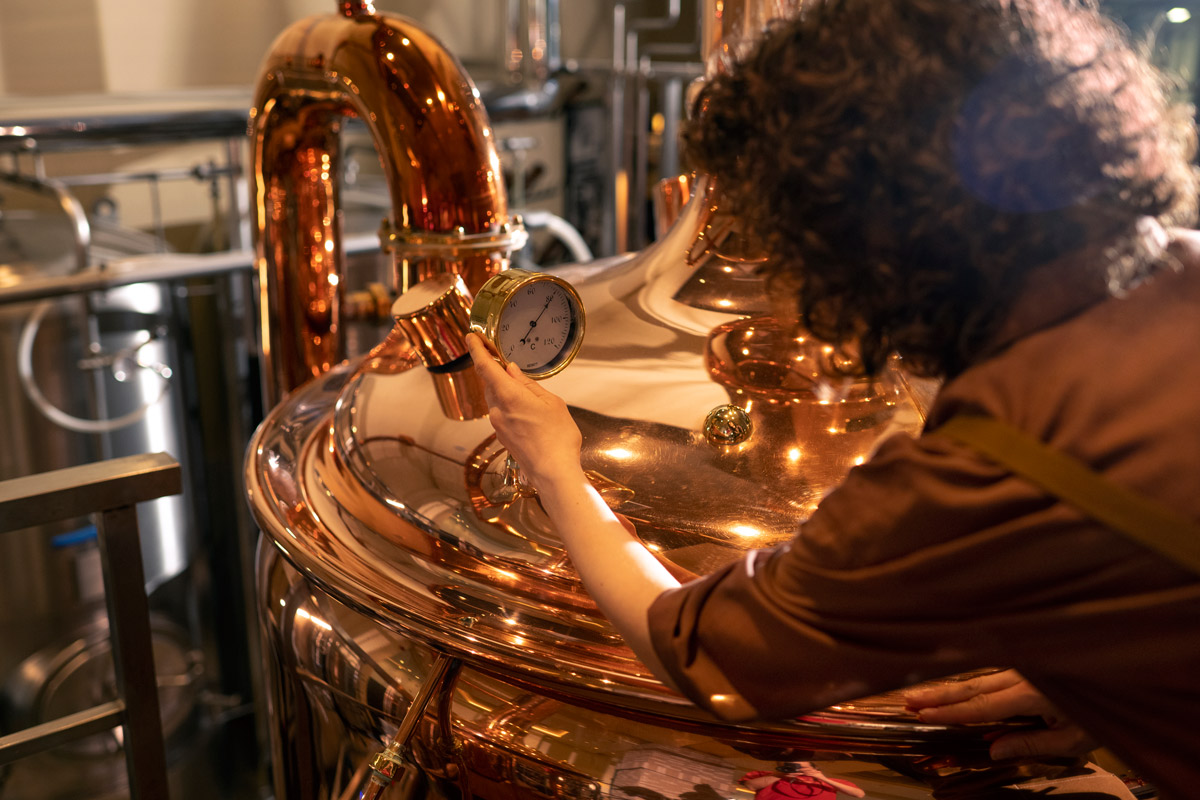
We’re in a 1920s street corner during the height of Prohibition. A male "dry agent" stands frustrated, knowing full well the woman in front of him is smuggling a flask of illicit bathtub gin. But he can't do anything. Using the rigid gender norms of the day to their advantage, female bootleggers confidently hid bottles of liquor under their coats and dresses, taunting police officers who were legally barred from searching them.
This movement took place domestically, in the corners of the house. Copper stills tucked away behind laundry boilers, illicit bottles stashed under kitchen tables. Children ushered outdoors so their mothers could finalise a fresh batch of spirits.
It was in these shadows that the modern drinking culture was born. A shift, from hard, solitary liquor to the vibrant, social cocktail culture driven almost entirely by women.
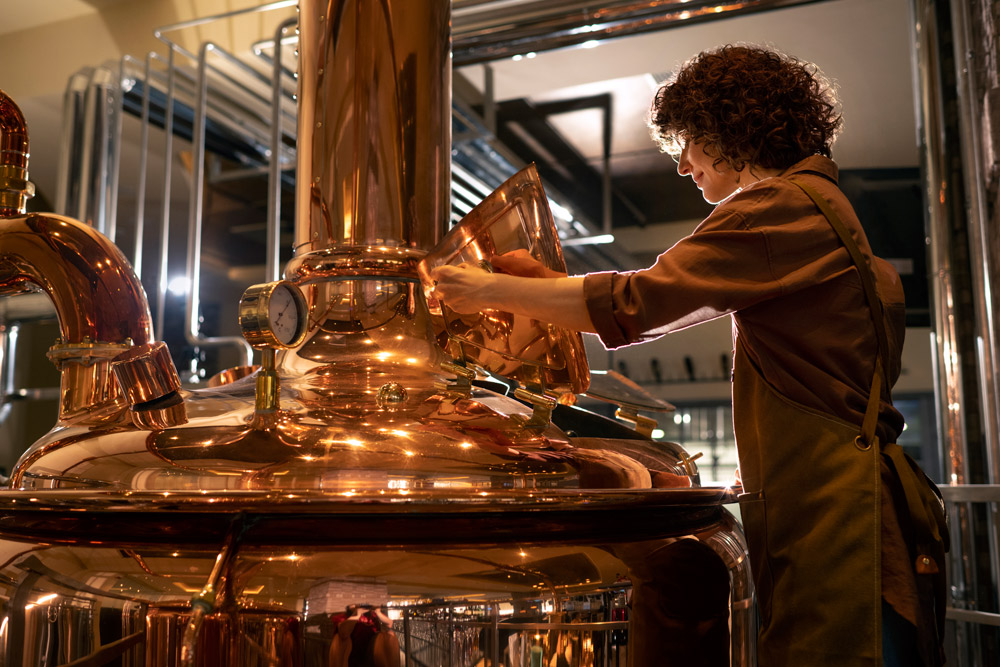
As Sandhya Mulchandani, author of Toddy to Tequila: The Story of Alcohol in India, points out, the very nature of a mixed drink speaks of connection. "If you look at hard alcohol like whiskey, for instance it's something people often drink even when they’re alone," Mulchandani notes. "A cocktail, on the other hand, is inherently social. The very concept of a 'cocktail' implies a social setting. It belongs in a space where there are other people, there’s interaction, and community."
But how did we get from bathtub gin to the modern Martini?
Before it was a bootlegger's spirit of choice, gin was essentially born out of a Dutch-English collaboration. English soldiers assisting the Dutch in their revolt against Spain discovered a juniper-flavoured spirit that the troops drank for "Dutch courage" before going into battle. The English brought this back home, and the gin craze spread. Later, during the British colonial era in India, gin took on a medicinal role. To combat malaria, the British had to consume bitter quinine powder. To make the medicine palatable, it was mixed with gin, which gave us the iconic Gin & Tonic, a drink that Winston Churchill famously claimed saved more English lives than all the doctors in the Empire.
What happened during Prohibition?
The United States fundamentally changed its relationship with alcohol when the 18th Amendment was passed in 1920, prohibiting its manufacture and sale. Instead of stopping drinking, the law shifted the social and economic power of alcohol production into the hands of everyday citizens.
Working-class and middle-class women began operating kitchen stills, fermenting and distilling spirits themselves using old wine and liquor recipes found in their grandmothers' cookbooks. Bootlegging became a decentralised industry where ordinary people brewed, transported, and sold alcohol, entire operations organised from homes.
Why should men have all the fun?
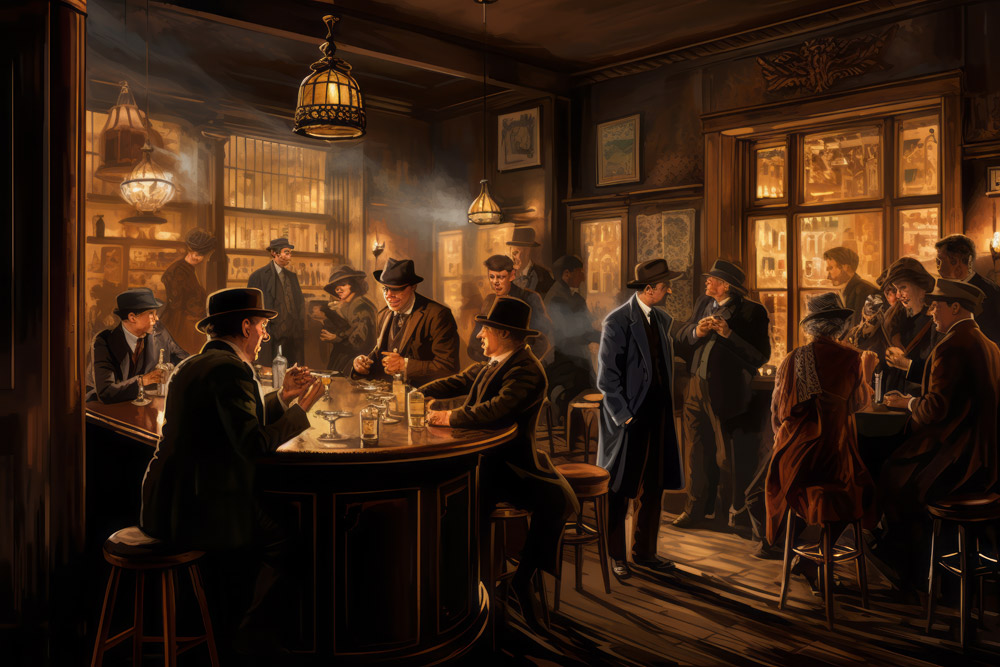
Prior to this, drinking was a male-dominated activity in the public sphere; saloons strictly excluded women, and a woman seen drinking in public risked arrests. The rise of the illegal speakeasy changed everything. Speakeasies ignored the rigid gender norms of the past, allowing women to drink, dance, and socialise. Once speakeasies were established, genders were no longer segregated. It was a brief but critical moment that allowed women to redefine long-held sex roles.
The cultivators
Women were kind of the backbone of the underground bootleg economy. Contemporary records suggest that for every man involved in selling illegal alcohol, there were potentially up to five women participating. Many of these female bootleggers were working-class mothers or widows for whom brewing and fermenting were simply extensions of household labour. Some women even ran their own ‘home speaks,’ turning their houses into speakeasies that served homemade liquor and provided a phonograph for dancing.
How the culture of the cocktails came to be
At the start of the century, neat alcohol was the norm. But women demanded that bartenders mask the harshness of bootleg spirits with fruit juices, syrups, and sodas.
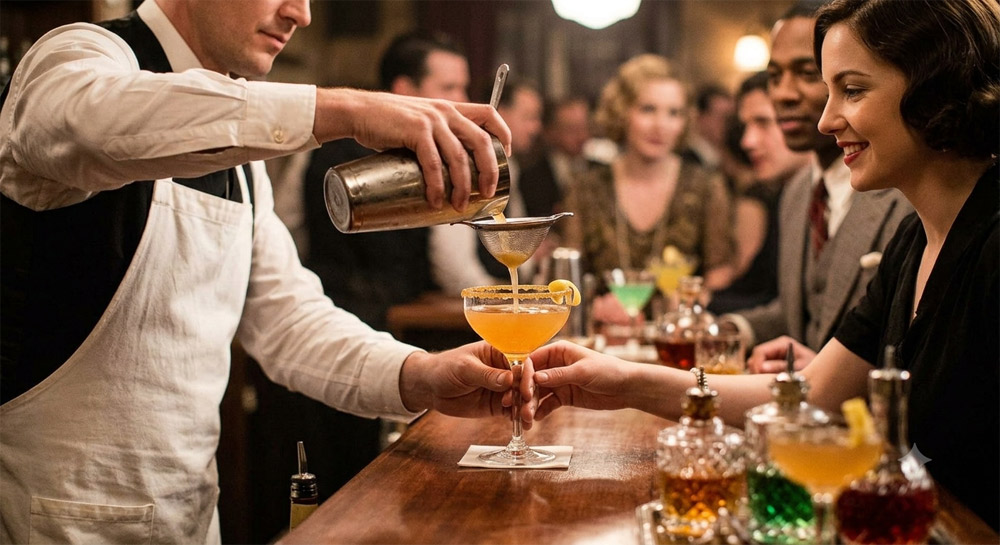
"You will find very few women who drink neat alcohol with just water or soda," explains Mulchandani. "Women often prefer flavour profiles that are a little sweeter, and they don't necessarily want to drink like men. At the same time, it’s about the experience. You don't want to go out for the evening and just order a drink mixed with… lemonade."
Afraid of losing their customers, bartenders began competing to create the best new mixed drinks, which gave us legendary cocktails like the Gin Rickey, the Sidecar, and the Bee's Knees. What was once seen as a feminine choice, colourful, sweet mixed drink, eventually became a staple, breaking boundaries even further as popular culture later with James Bond ordering Martinis.
Ultimately, this influx of women into the modern drinking scene changed the very atmosphere of our bars and clubs. Mulchandani captures this shift perfectly: "Because a large number of women have moved into these social drinking spaces, the demographics of how we consume alcohol have fundamentally changed. Historically, men might gather at the Gymkhana club, have their four drinks, and go straight home to eat. But today, they are going out with women—their partners and friends. That shift entirely changes the atmosphere and the cultural fabric of these places."
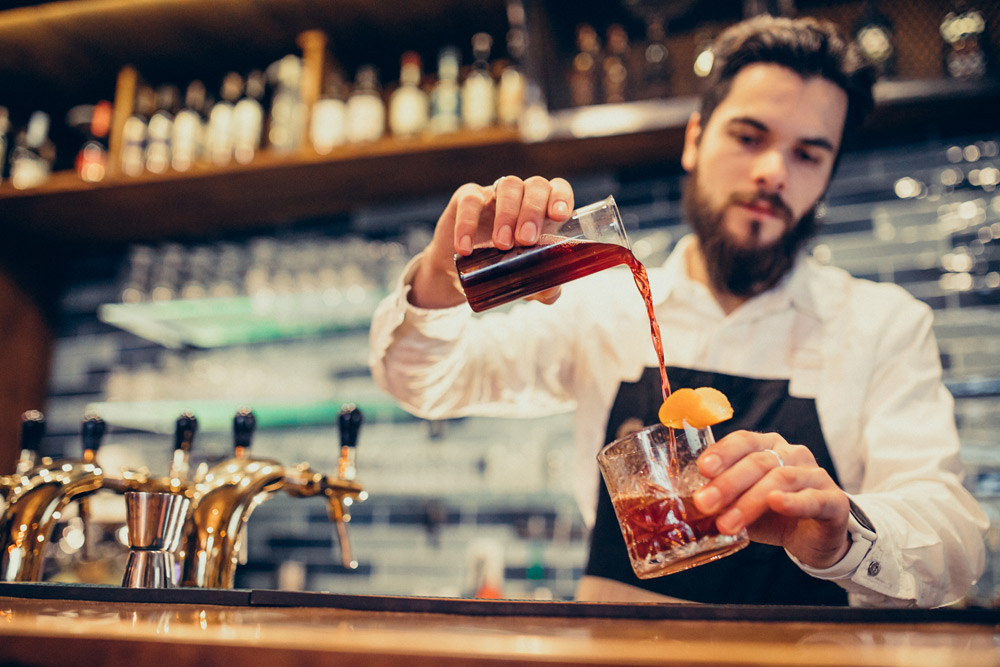
By bringing women into the bar and the bootlegging business, clandestine practices brought us spirits like gin, the way we drink it today, from a vice into a drink that brings most of us together on a Friday night.
What do you make of the history of gin? Which other spirit would you like us to deep dive into next?
Rate this story:
Tags
Vikhroli Cucina
Speakeasy
History of Gin
Prohibition Era
Cocktail Culture
Women in F&B
Female Bootleggers
Gin and Tonic
Sandhya Mulchandani
Classic Cocktails
0 Comment
You may also like
-

Features This is what Ganesh Chaturthi tastes like in a Konkani home
by Vikhroli Cucina -
Features Mumbai: A First Look Inside the Future of Indian Dining
by Vikhroli Cucina -
Features Mapping the next decade: Rushina Munshaw-Ghildiyal on the road to GFTR 2027
by Vikhroli Cucina -
Features How Eleftheria is Putting Indian Cheese on the Global Map
by Vikhroli Cucina