What monsoon does to a wet market, and your dinner
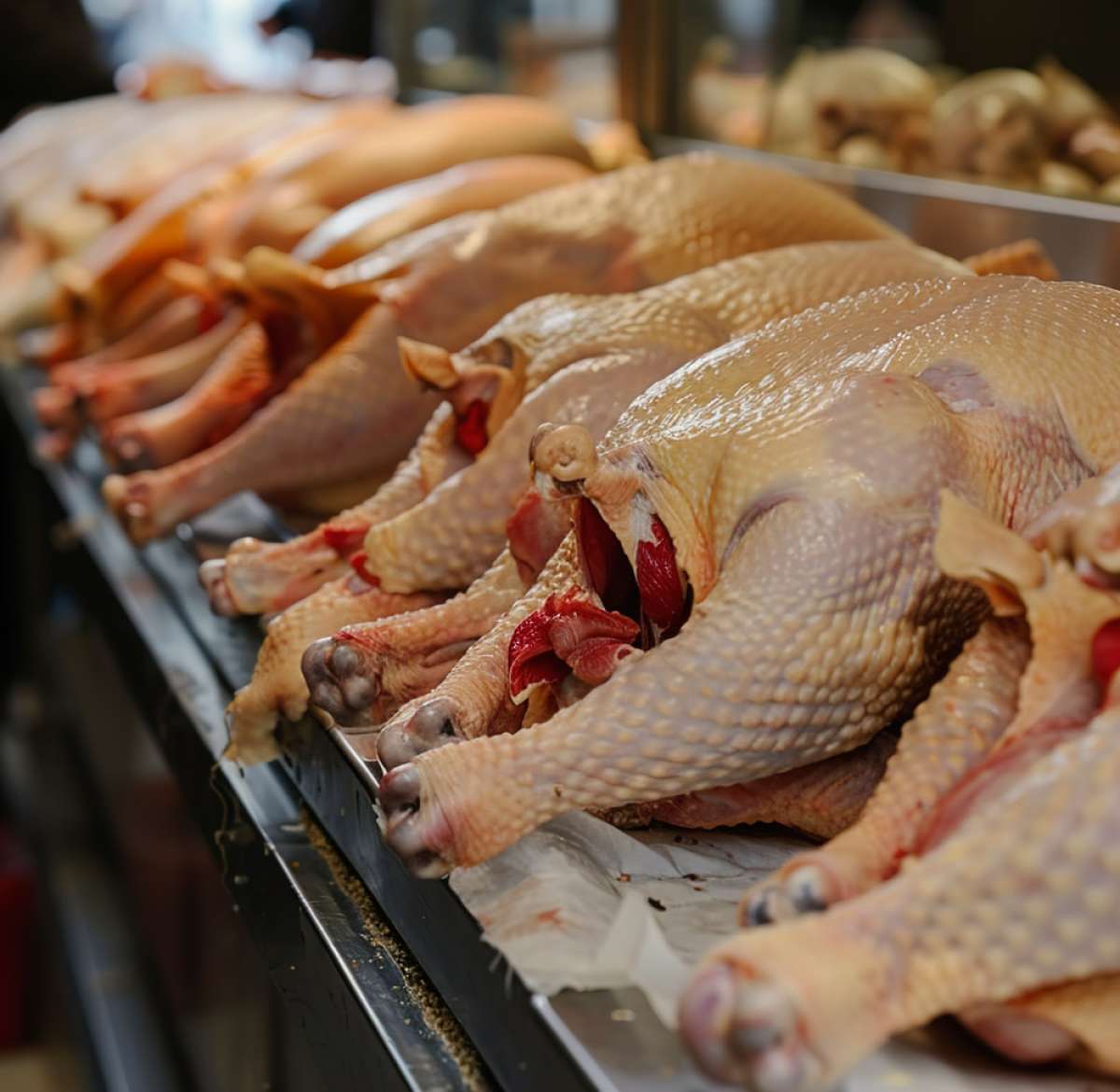
What the monsoon means to your wet market chicken.
28 Aug 2026
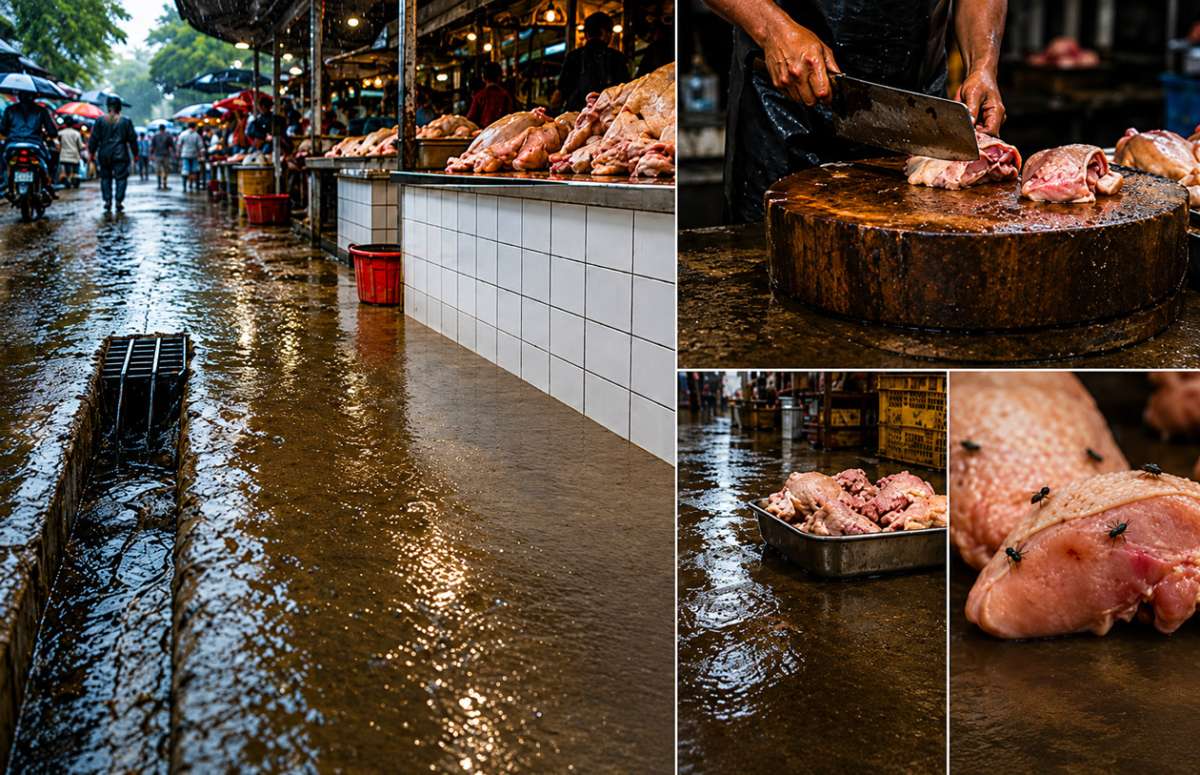
Monsoon has its own rituals. The first smell of rain on hot ground, chai by the window, pakoras timed to the thunder. There's a reason this season feels different from the rest of the year, everything slows down, softens, feels a little more indulgent.
But step outside that window and into your local wet market, and the same rain is doing something else entirely.
The humidity that makes your evening chai feel cozier is also the humidity that lets bacteria multiply faster. The rain that you love watching from indoors is, outside, mixing with drain overflow and market runoff, turning the ground vendors work on into a slush of exactly the kind of water you don't want anywhere near your food.
Cutting boards that are usually just damp stay wet for longer. Standing water pools wherever drainage is poor, which is most places. And flies, always around, show up in far greater numbers, breeding in that same standing water within days and moving straight from it to the meat on display.
None of this is about blaming vendors working long days in tough conditions. It's about understanding what monsoon actually changes at the market, quietly, in the background, so you know what you're bringing home along with your groceries this season.
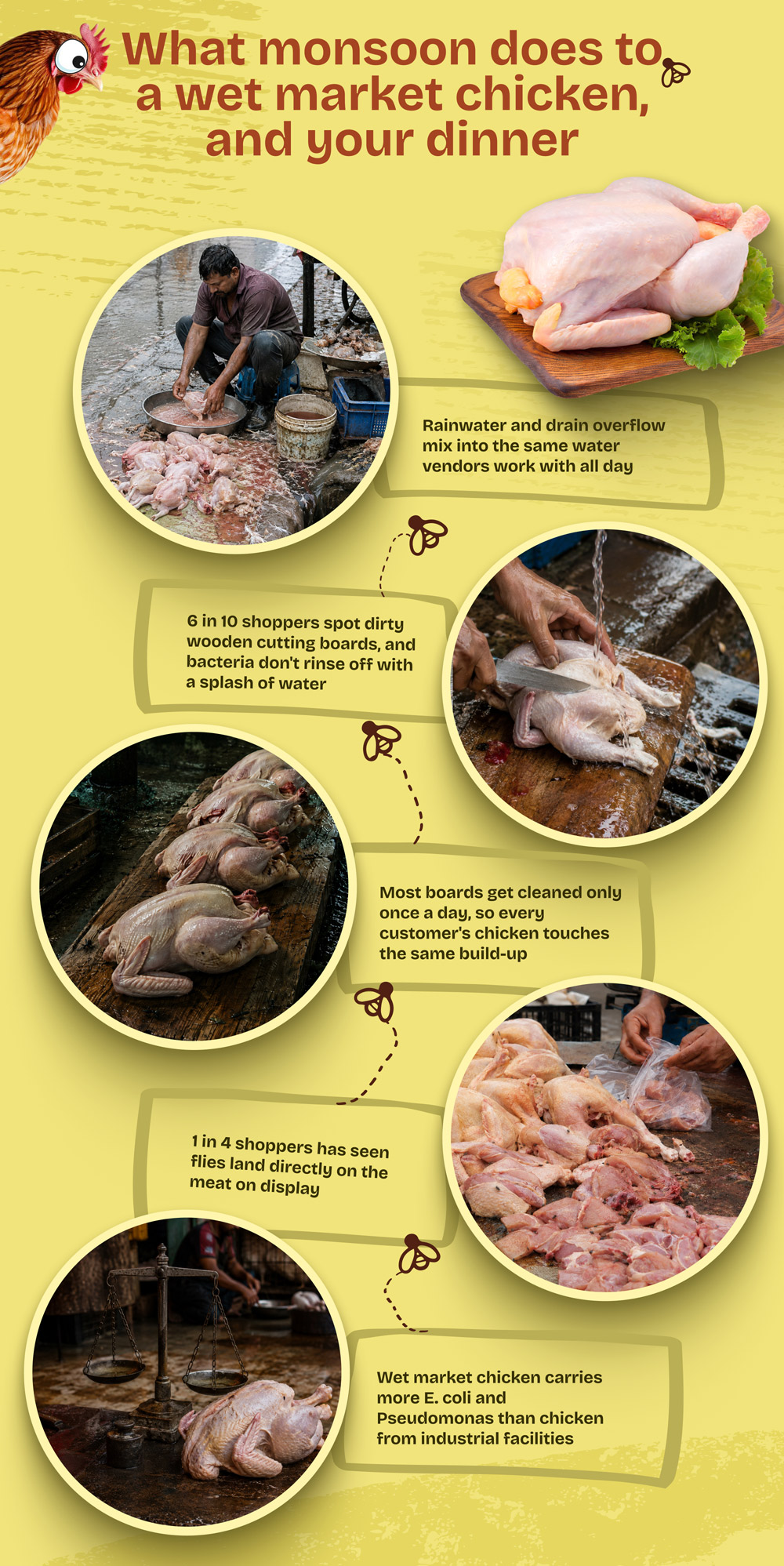
The rain isn't the problem, what it does to an already stretched system is. Wet markets weren't built with monsoon drainage or refrigeration in mind, and this season makes every existing gap wider. How many of these were you aware of and which ones came as new learnings? Comment below!
Sources:
- ICAR, 2025 — Hygiene practices in retail poultry shops, Bareilly, UP
- ScienceDirect, 2025 — Bacterial contamination in wet market vs industrial broiler chicken
- H2O Global News — Risks of stagnant water
- Serious Eats — Bacterial spread from washing/splashing raw chicken
- PMC — Cross-contamination in traditional food markets
Rate this story:
Tags
Kitchen hygiene
Monsoon
wet markets
chicken safety
meat buying
consumer awareness
food safety India