Sourdough Season: The Rise, Fall, and Rise Again of Bread
A humble loaf of bread has somehow taken over the internet. Suddenly, everyone is baking their own sourdough from scratch. But how did a painstaking, time-consuming fermentation process survive the rise of commercial yeast to become a viral TikTok sensation? For our first installment of Sourdough Season, we trace the rise, fall, and modern resurgence of artisanal bread.
28 Oct 2026
Sourdough September #1: The Rise, Fall, and Rise Again of Bread
A humble loaf, and yet it seems to have taken over the expansions of the internet. Suddenly, every other person is baking their own sourdough from scratch. But it all seems so daunting and scary, doesn’t it? With words like ‘proofing’, ‘hydration’, ‘levain’, and ‘hooch’, suddenly, you have no idea where to start and you deem it better not to after all (read our other article that breaks down all this jargon to find out more!).
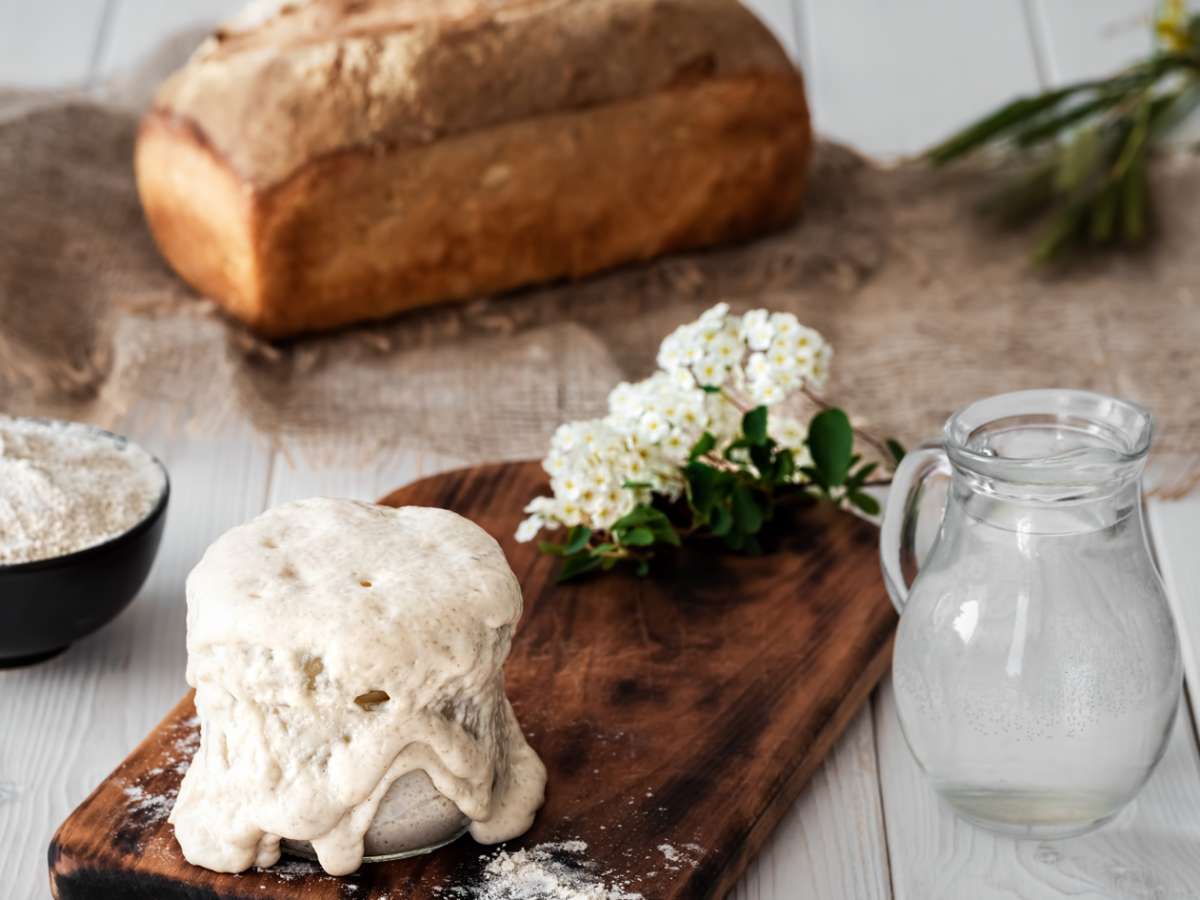
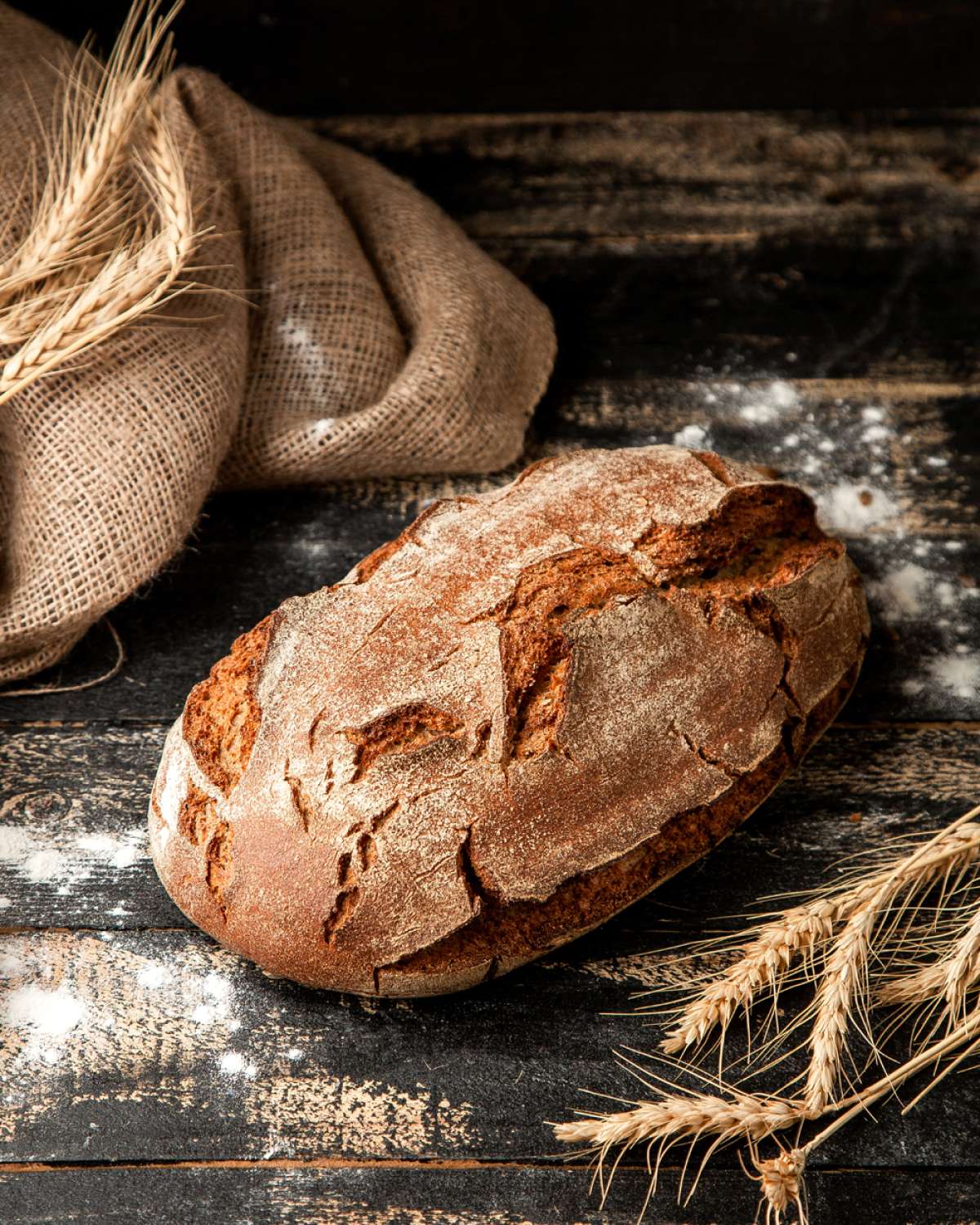
Let’s start at the very beginning - 1500 BCE in Egypt. It is assumed that someone left flatbread dough or a bowl of porridge out overnight, only to come back and find it bubbly and emanating a rather odd odour. However, our protagonist chose to bake it anyway. And out came a bigger and healthier loaf. Sourdough quickly rose in popularity as people realised it produced more bread that also tasted better. It was also quite easy to carry around the starter while travelling, allowing the dough to rise in transit.
However, Louis Pasteur’s research in yeast microbiology pioneered the mass use of isolated commercial yeast which gave anyone chasing money the three golden words -- faster, bigger, cheaper. Packaged yeast reduced the rising time from days to mere hours, delivered far more consistent results through a highly predictable fermentation process, and produced bread that was softer and more uniform. Bread was no longer something that needed patience; it became something that could be produced at speed and at scale with little cost.
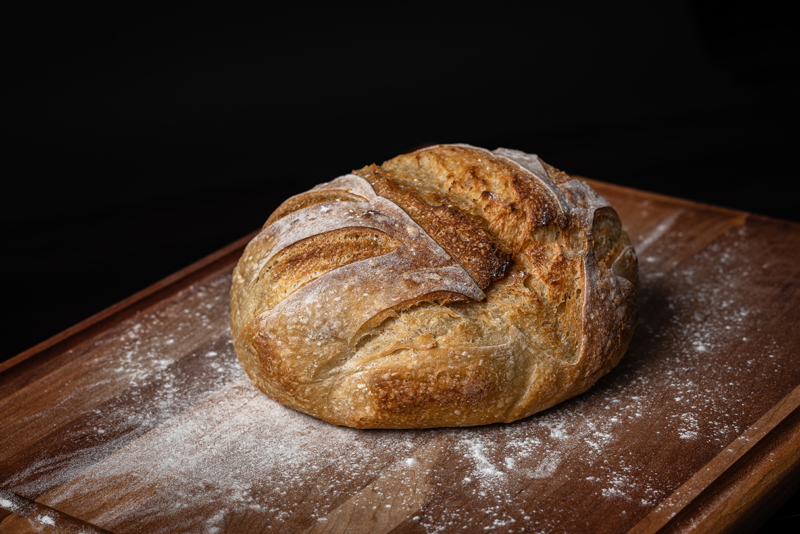
And somewhere along the way, we lost the art of sourdough. Its slow, temperamental fermentation, its reliance on wild yeast, and the task of nurturing a living starter made it absurdly inefficient in a world infatuated with speed and convenience. Not many saw charm in its painstakingly time-consuming process, thus it survived largely as a niche, artisanal tradition.
Until, the internet decided that slow bread was cool again.
During the pandemic, sourdough became a TikTok sensation -- almost every other reel you’d scroll past would feature a bubbling starter being fed, or satisfying dough folds, and impossibly photogenic loaves.
Once deemed old-fashioned, baking the perfect loaf of sourdough now became aspirational. The bread that had lost the race against “faster, bigger, cheaper” found a new audience among those willing to wait.
However, TikTok’s obsession with sourdough is not, unfortunately, fueled purely by a love for the art of it. Firstly, sourdough makes for great content because the reveal is inherently dramatic with the knife cutting through the crust to reveal the perfect, airy slice.
Even the start provides its own storyline. It allows creators to post daily updates where cliffhangers emerge naturally as viewers have to wait for the next day to discover whether the dough will rise or collapse. There is even room for low-stakes drama -- a neglected starter, an over-proofed dough, a failed loaf. What might have once been a slow and finicky way of making bread suddenly became exactly what social media thrives on, i.e., a process that can be stretched into a story, broken into episodes, and followed along with.
Perhaps the real appeal lies in how simple it all is, making bread with nothing but flour, water and time. Now that we’ve learned plenty about sourdough, let’s top it off with a simple recipe.
And you’re done! Hopefully, you’re leaving this article with a load of sourdough history and a loaf of sourdough bread to keep you company.
Rate this story:
Tags
Vikhroli Cucina
Sourdough September
Sourdough Baking
Bread History
food history
TikTok Food Trends
Baking
Slow Food