
The 5-point wet market safety check
Give your butcher one point for each ‘yes’
18 Aug 2026
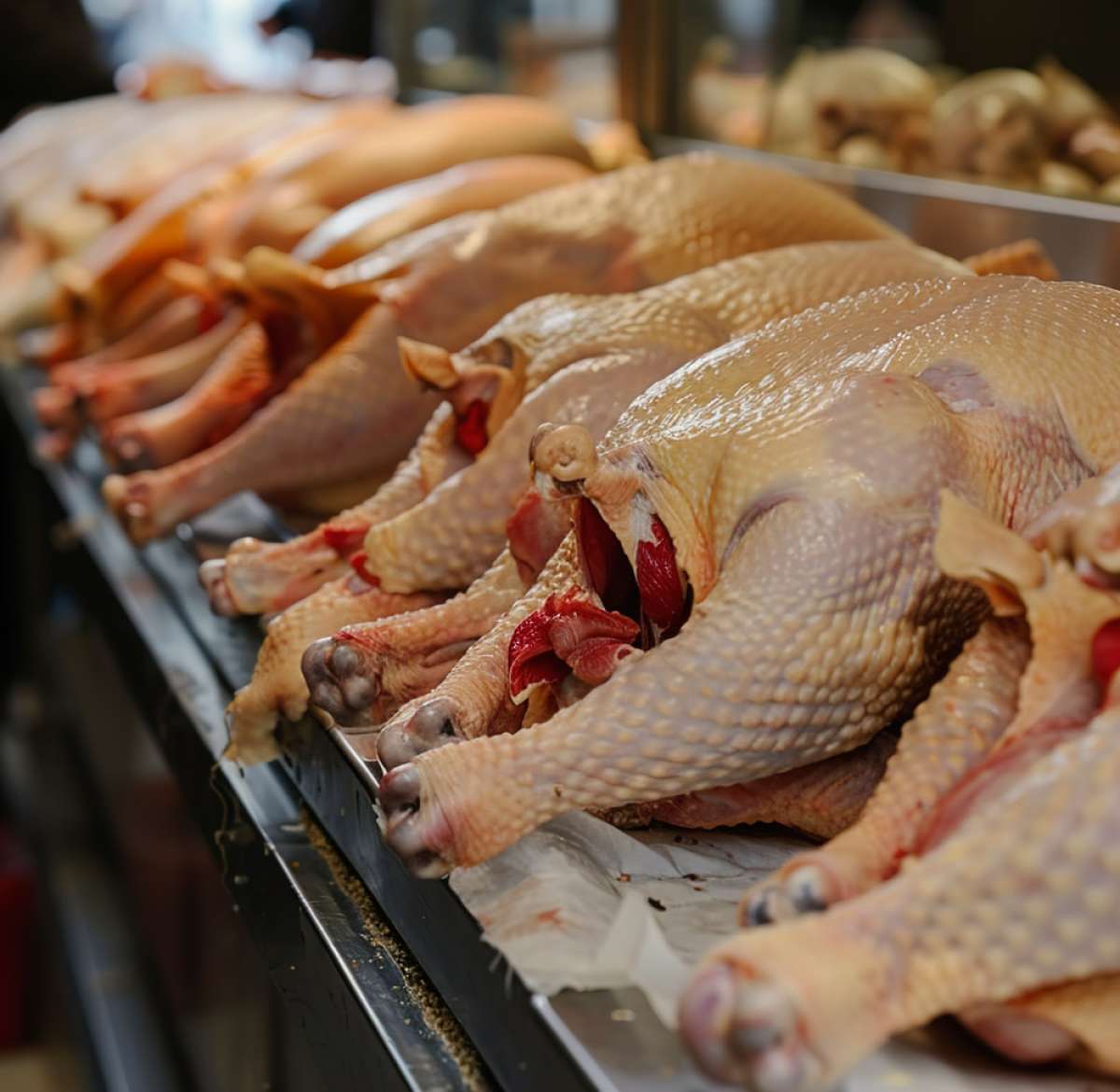
Would you buy meat from a shop that looks clean but hides serious hygiene risks? When you walk into a chicken shop, the price per kilo shouldn't be the only thing you evaluate. Poor hygiene at the retail level can increase the risk of contamination, foodborne illness and faster spoilage. In India, meat retailers are expected to comply with the Food Safety and Standards Authority of India (FSSAI) regulations, particularly the hygiene and sanitation requirements outlined under Schedule 4 of the Food Safety and Standards (Licensing and Registration of Food Businesses) Regulations, 2011. So, before your next purchase, run this simple wet market safety audit.
Quick verification for a valid FSSAI licence
What to look for
- A clearly displayed FSSAI Registration Certificate or Licence.
- A visible FSSAI licence/registration number.
- Food Safety Display Boards (FSDBs), which FSSAI has mandated for various food businesses, including meat retailers.
Why it matters
A licensed seller is legally accountable to food safety standards, inspections and compliance requirements. FSSAI regulations require food businesses to display their licence or registration details at their premises so consumers can verify legitimacy.
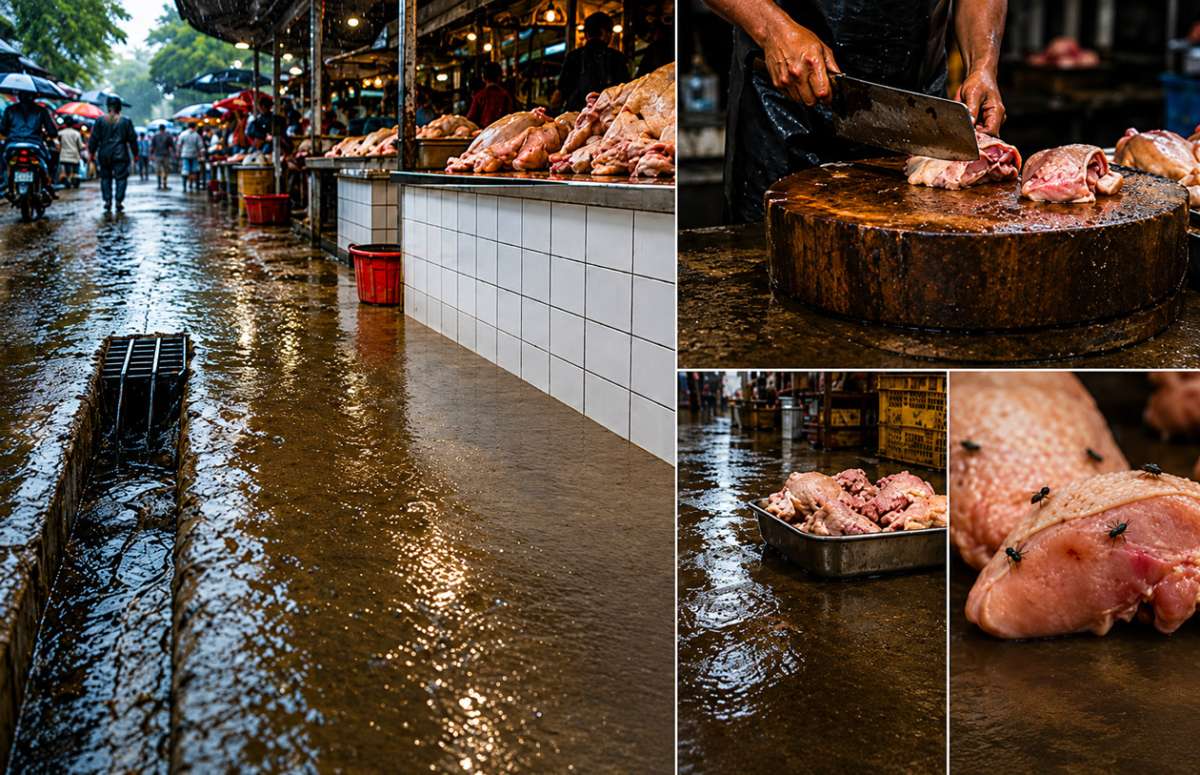
Observe fly and insect control measures
What to look for
- Glass-enclosed display units.
- Minimal fly activity around meat displays.
- Covered meat storage when not being handled.
Why it matters
Flies are known carriers of bacteria and pathogens. Openly displayed meat is highly vulnerable to contamination through insect contact. FSSAI's hygiene requirements stress keeping premises free from insects and maintaining sanitary conditions throughout food handling and retail operations. Source: https://foodsafety.delhi.gov.in/sites/default/files/generic_multiple_files/general_hygienic_and_sanitary_practices_to_be_followed_by_food_business_operators_schedule_4.pd
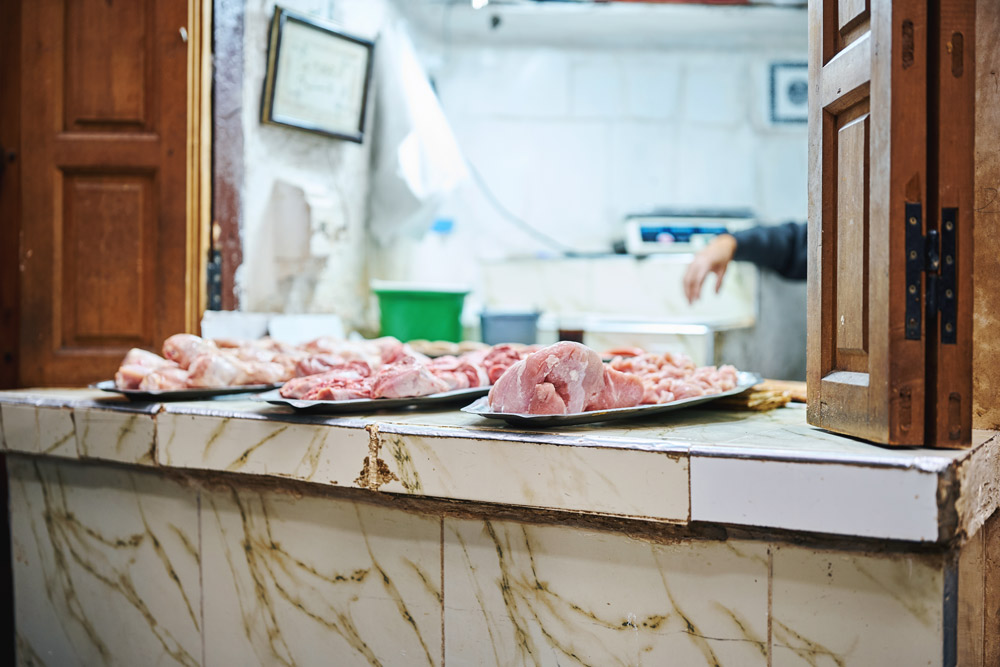
Check the floor: No standing water or sludge
What to look for
- Dry, well-drained floors.
- Non-slip, washable surfaces.
- Proper drainage channels.
- Clean surroundings free from wastewater.
Why it matters
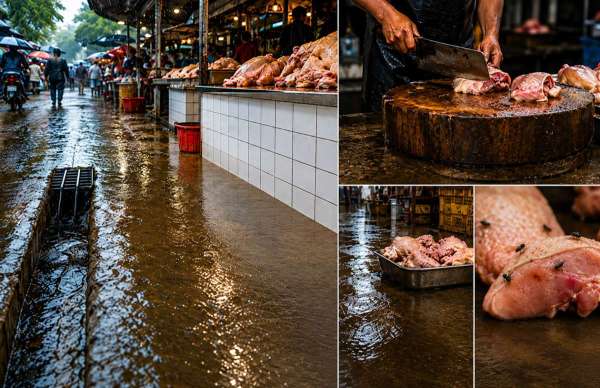
Standing water creates ideal conditions for bacterial growth and cross-contamination. Meat-processing hygiene guidance also emphasises impermeable floors and adequate drainage to prevent contamination risks. Floors should be waterproof, non-absorbent, non-slippery and easy to clean.
Watch for good handling practices

What to look for
- Staff cleaning hands between tasks.
- Use of gloves, and protective clothing.
- Clean knives, chopping blocks and weighing equipment.
Why it matters
FSSAI hygiene requirements emphasise personal hygiene, proper sanitation facilities, and safe handling practices. Inspection checklists used by Food Safety Officers specifically assess personal hygiene and sanitation standards. Handwashing infrastructure is a key component of preventing cross-contamination. Source: https://foscos.fssai.gov.in/assets/docs/CheckList.pdf
Be alert to water inflation

Another concern is the illegal practice of injecting water into poultry or meat to increase weight artificially. Besides misleading consumers, excess retained water can affect meat quality and shelf life.
Signs may include:
- Unusually wet or dripping meat.
- Meat that shrinks dramatically during cooking.
- Unnaturally swollen texture.
Look for signs of hormone injection

Why it matters
While consumers cannot reliably identify hormone use through visual inspection alone, they can spot signs that may indicate tampering, poor handling or water inflation. Buying from licensed retailers adds an additional layer of accountability and traceability.
Source: https://fssai.gov.in/docs/business/foodsafety/dl_Meat.jpg?csrt=6758009486678170827
Don't leave meat buying to chance. Use this checklist before you buy. Tell us your experience in the comment section below.
Rate this story:
Tags
food safety
Meat Processing
Meat Hygiene
Hand Washing
Hand Hygiene
Food Processing Hygiene
Equipment Disinfection
Meat Processing Facilities
Food Safety Standards
Hygiene Practices
FSSAI Guidelines
0 Comment
You may also like
-
Tips & tricks What monsoon does to a wet market, and your dinner
by Vikhroli Cucina -

Tips & tricks Crust we trust
by Vikhroli Cucina -

Tips & tricks The tiny ingredients making everyday food taste better
by Vikhroli Cucina -

Tips & tricks Why Alphonso mangoes belong in your spicy dishes too
by Vikhroli Cucina