The Culinarian’s Take: India’s gourmet cheesemakers are redefining terroir
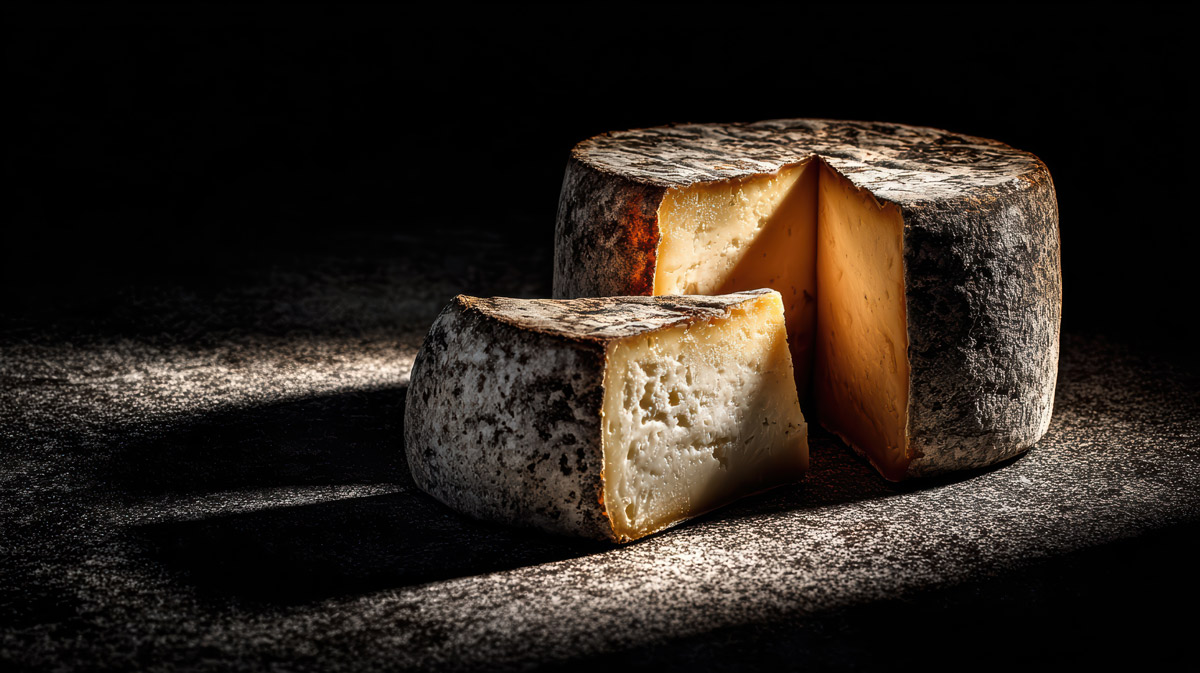
Historically, India’s tropical heat restricted traditional cheese culture to the cooler Himalayan corridors, giving us regional treasures like Jammu's Kaladi. But today, the Indian cheese scene is undergoing a massive shift. We explore how modern micro-creameries are moving beyond processed cubes to redefine artisanal cheese through the lens of Indian terroir and craftsmanship
18 Mar 2026
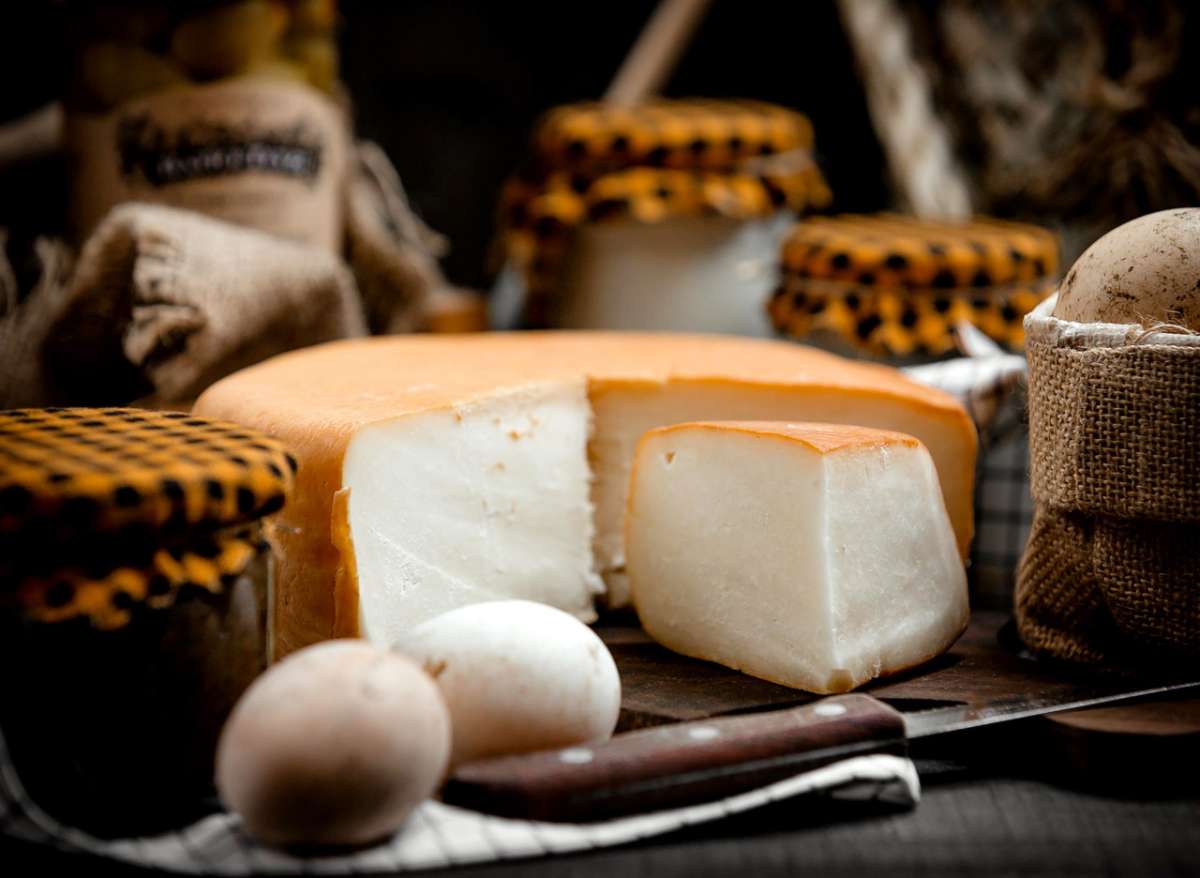
Historically, cheese-making in India followed a different path than in the West. While temperate climates allowed for an evolution of aged cheeses abroad, India’s tropical heat largely restricted traditional cheese culture to the Northern and Northeastern Himalayan corridors.
Then there is the undeniable landscape of regional homemade cheeses in the north, especially in regions of Jammu. Though most are rarely named, one such popular variety is Kaladi.
A variety similar to buffalo mozzarella in its flavour and texture. The milk is not boiled before the curdling, in the prep, and this is done to retain the rich texture. This cheese can be used for all applications in lieu of the Buffalo Mozzarella (pizzas, cheese strings), and also as fondue, but it’s important to handle the temperature well.
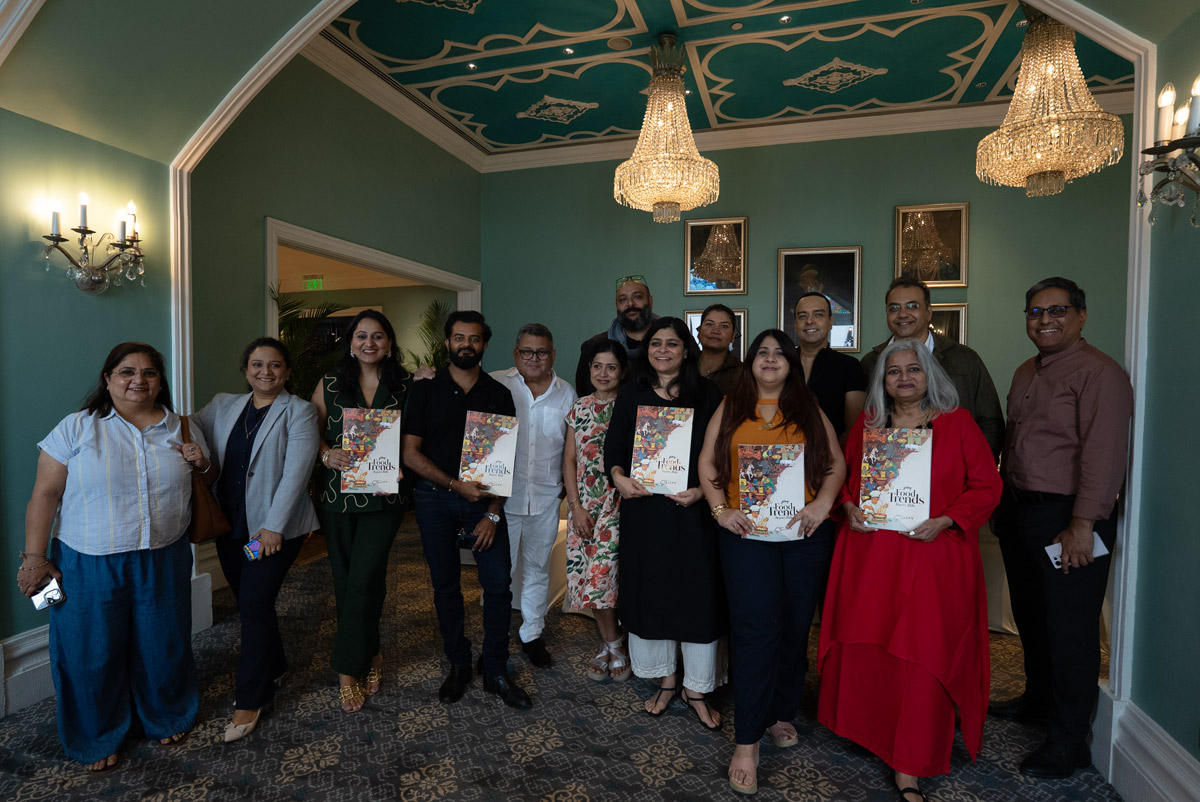
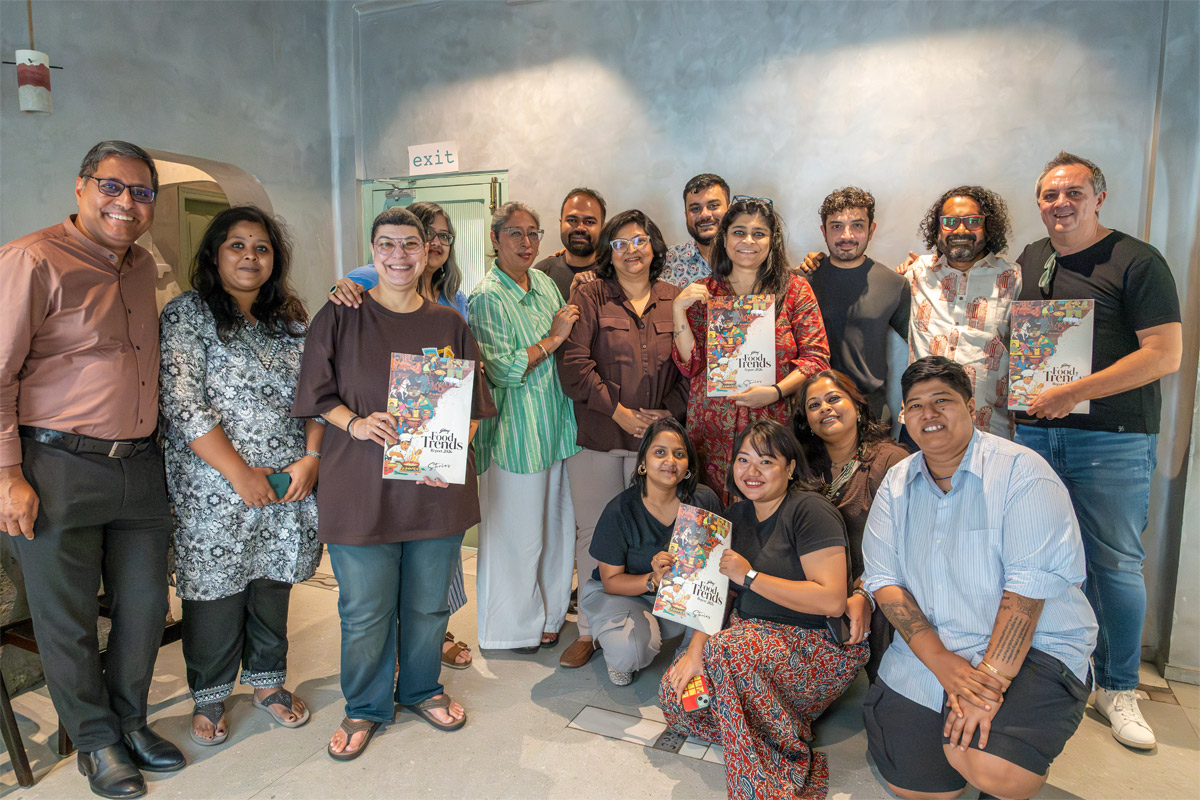
But the artisanal Indian cheese scene is also undergoing a shift, especially in hotter metros. The Godrej Food Trends Report (GFTR) consistently highlights a growing desire to connect with the provenance of their food. Modern micro-creameries are actively interpreting recipes through the lens of Indian terroir, local milk profiles and other indigenous ingredients.
World-class accolades: Eleftheria cheese
Mumbai-based Eleftheria Cheese, helmed by Mausam Jotwani Narang, is already making headlines in the cheese space.
Eleftheria uses 100% farm-sourced milk with absolutely no preservatives. Their dedication to the craft has put India on the global cheese map.
The 'Brunost' Breakthrough: In 2021, Eleftheria became the first Indian brand to win at the World Cheese Awards in Spain, bagging a Silver for their "Brunost". Modelled on Norwegian whey cheese, it has a fudge-like texture with salted caramel notes and is uniquely stamped with the brand's initials in the Devanagari script.
Eleftheria had swept the 2023 World Cheese Awards in Norway, winning a coveted 'Super Gold' for their "Medallion"—a goat milk feta-style cheese aged for five months, celebrated for its complex, lemony tang. They also won Gold for "Konark," a French Tomme-style cow's milk cheese named for its resemblance to the chariot wheels of Odisha's Sun Temple.
Hyperlocal terroir, pastoral empowerment: Käse cheese
Chennai-based Käse cheese, founded by Anuradha Krishnamoorthy and Namrata Sundaresan, operates at the intersection of gourmet flavour and social impact.
Käse has partnered with the Centre for Pastoralism to produce "Pastoral Cheese" from ethically sourced indigenous goat, sheep and camel milk, procured directly from the traditional Maldhari shepherds in the Kutch and Saurashtra regions of Gujarat. This initiative preserves the seasonal bounty of milk.
Proving that Indian terroir can compete globally, Käse's "Lavender Fields"—a cheese infused with organic lavender—brought home a Bronze at the World Cheese Awards in Wales in 2022. They are also deeply committed to social equity, employing differently-abled women as cheese-makers.
Reimagining classics: The spotted cow Fromagerie and Begum Victoria
The Indian Brie: Mumbai's The Spotted Cow Fromagerie, started by brothers Agnay and Prateeksh Mehra, cleverly localises French staples, creating signature products like "Bombrie" (a Bombay-style Brie) and "Camembay". Current menus show them pushing boundaries with offerings like Truffle Burrata and Ashed Goat's Cheese.
Southern Maturation: In Bengaluru, Begum Victoria (founded by Shruti Golchha and Chef Manu Chandra) has been instrumental in normalising European-style cave-aged cheeses on Indian grazing boards. They use high-quality A2 milk to craft bestsellers like Truffle Brie, Havarti and Manchego, ensuring the final product reflects the lush terroir of South India.
Indian cheesemakers are fiercely original. They are no longer asking consumers to develop a palate for foreign cheese; instead, they are developing world-class cheeses that agree with the Indian palate, celebrate local terroir,and empower the hands that milk the herds.
What do you make of the fromage renaissance? Which cheeses do you prefer? Let us know in the comments!
Rate this story:
Tags
Godrej Food Trends Report
artisanal cheese
Indian cheese
Food trends
Eleftheria Cheese
Käse Cheese
The Spotted Cow Fromagerie
Begum Victoria
Local Terroir
Kaladi Cheese
0 Comment
You may also like
-

Features This is what Ganesh Chaturthi tastes like in a Konkani home
by Vikhroli Cucina -
Features Mumbai: A First Look Inside the Future of Indian Dining
by Vikhroli Cucina -
Features Mapping the next decade: Rushina Munshaw-Ghildiyal on the road to GFTR 2027
by Vikhroli Cucina -
Features How Eleftheria is Putting Indian Cheese on the Global Map
by Vikhroli Cucina