Tales of Terroir: Meghalaya’s Gold (Lakadong Turmeric)
The story of Meghalaya’s prized Lakadong turmeric and what sets it apart.
28 Oct 2026
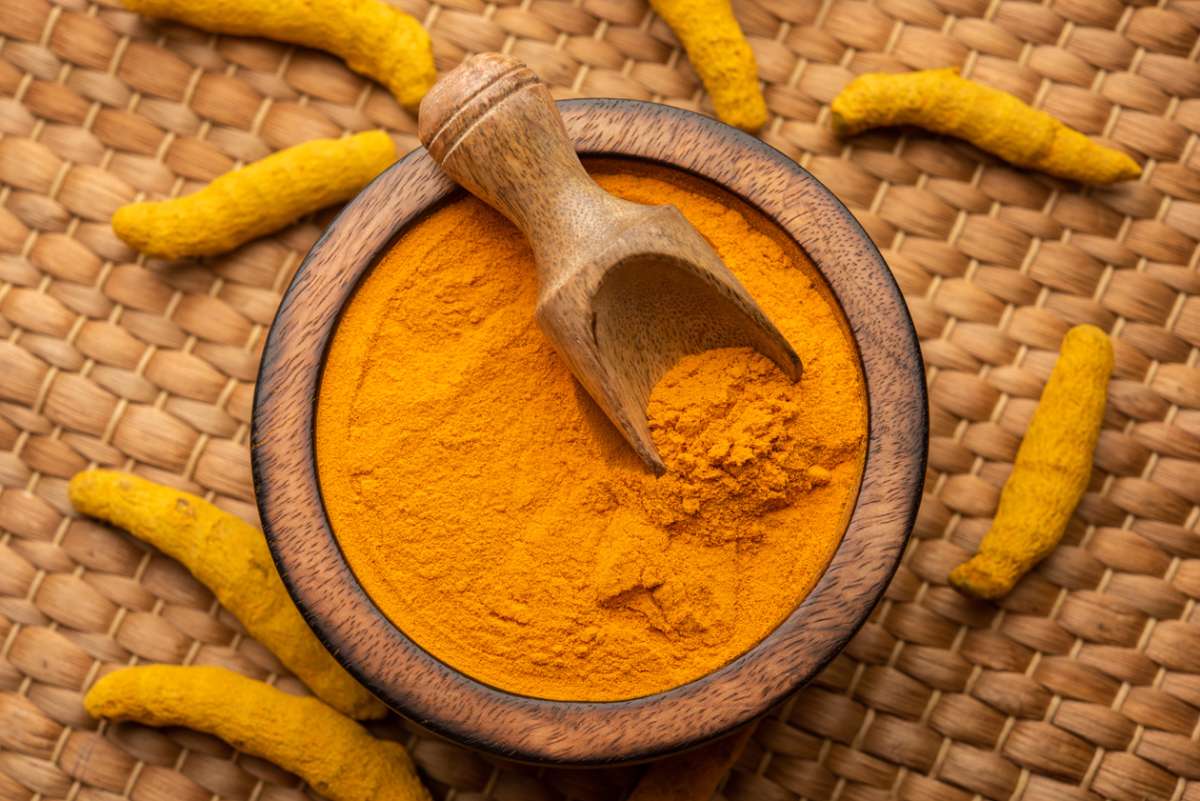
From the early recipes passed down through Indian kitchens, turmeric has long been a staple of Indian kitchens, deeply valued for its earthy flavour, vibrant colour and place in traditional food and wellness practices. Arguably, it is one of those ingredients you will find in every single Indian kitchen; however, not all turmeric is the same.
Across India, certain regional varieties of the spice have developed, characterised by their soil, climate and cultivation methods. Lakadong turmeric, sourced from the Meghalaya’s Jaintia Hills, is one such variety. Farmers harvest the turmeric by hand before drying and grinding the rhizomes, with traditional production methods helping preserve its distinctive colour, aroma and flavour.
In 2024, Lakadong turmeric received a Geographical Indication (GI) tag, following an application submitted in 2021 by the Lakadong Turmeric Cooperative Union Limited in Jowai. ‘GI tagging offers a form of intellectual property protection to products and foodstuffs that originate from a specific geographical region.’ This stops others from selling products dissimilar to the original under the same name, preserving its authenticity.
But what makes Lakadong turmeric different?
Lakadong turmeric is noticeably darker and more intensely golden-orange than many commercially available varieties. Its flavour and aroma are particularly concentrated, giving it a pronounced earthy, slightly bitter taste. A little can therefore go a long way in everyday cooking. The biggest point of difference is its naturally high concentration of curcumin, the compound responsible for turmeric’s characteristic yellow colour and much of the scientific interest surrounding the spice. While the average, standard turmeric would contain around 2-3% curcumin, Lakadong turmeric boasts between 8-10%. Additionally, Lakadong turmeric has traditionally been cultivated using low-input farming practices in the Jaintia Hills. The turmeric is grown without artificial colouring or polishing, and traditional processing involves harvesting, drying and grinding the rhizomes after cultivation. This minimalistic process thus results in a highly organic and natural end-product.
Turmeric in general has a longstanding reputation for being highly beneficial to one’s health. Thus, Lakadong turmeric’s higher curcumin content allows for the spice to be incorporated quite easily into daily meals. Curcumin’s antioxidant and anti-inflammatory properties help support overall wellness, while research continues to explore its potential benefits for brain, joint and metabolic health.
Turmeric has also traditionally been used to aid digestion and support skin health, making it a versatile addition to everyday meals and wellness practices. While it is not recommended as an instant remedy for anything, it is traditionally established as a healthy inclusion in your daily diet.
Want to bring Lakadong to your table? Here’s three recipes you can try!
Rate this story:
Tags
Indian spices
Lakadong Turmeric
Turmeric
Meghalaya
Jaintia Hills
GI-Tagged Foods
Food Lab
Health & Wellness
Curcumin
Traditional Foods
Indian Food Heritage
Natural Ingredients
0 Comment
You may also like
-

Health and wellness Is cooking your meat really enough?
by Vikhroli Cucina -

Health and wellness Doughing It Right : Why everyone is talking about functional flours
by Vikhroli Cucina -

Health and wellness Beyond oats: High-fibre Indian breakfasts that actually keep you full
by Vikhroli Cucina -
Health and wellness Steamed Delicacies for Indian Monsoons
by Vikhroli Cucina