Doughing It Right : Why everyone is talking about functional flours
2026’s biggest food trend isn’t about cutting carbs, it’s about choosing better ones
06 Jul 2026
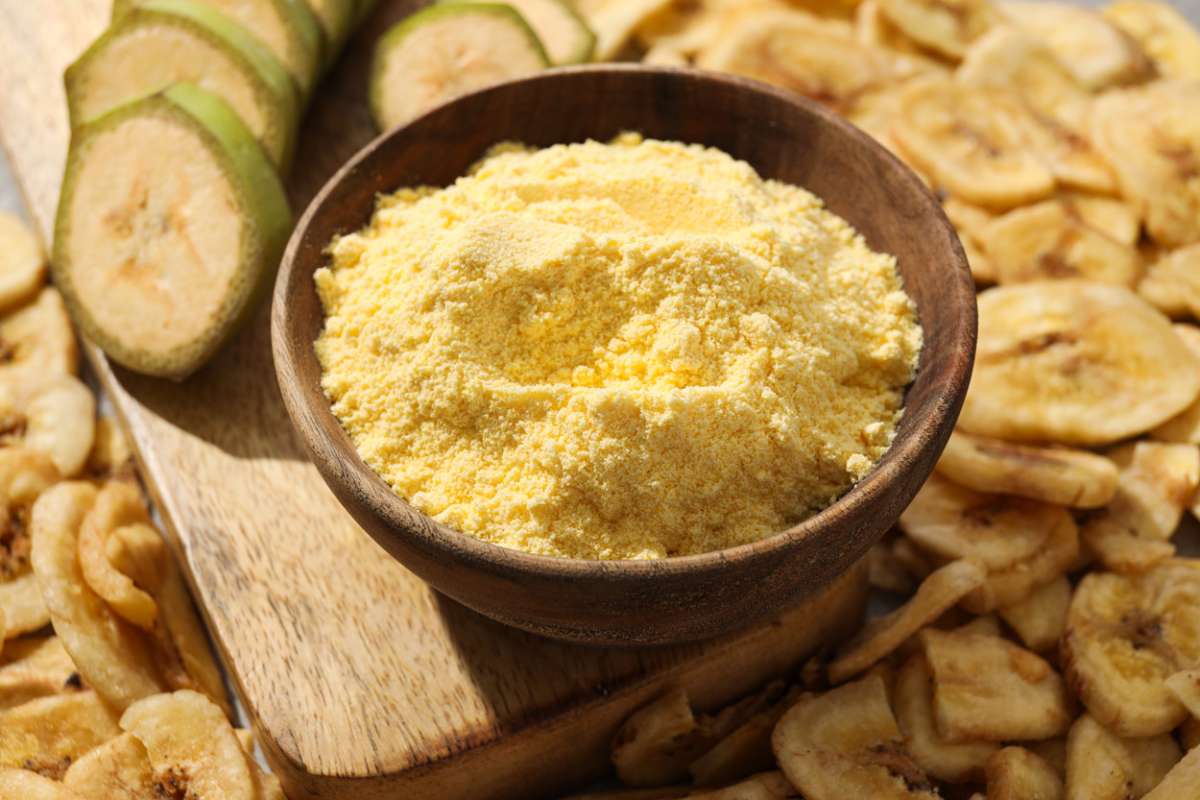
Move over maida. Step aside, plain wheat atta. India’s health-conscious kitchens are experiencing a flour glow-up, and it’s powered by fibre.
From green banana flour smoothies to multitasking millet atta rotis, a new generation of flours is quietly making everyday meals healthier, more filling and surprisingly delicious. Driven by the fibremaxxing trend, one of the biggest wellness movements of 2026, — these functional flours are helping people sneak more nutrition into their diets without overhauling their favourite foods.
The best part? You don't need to become a wellness influencer or a masterchef to use them. Here’s your guide to the flours everyone is talking about.
Green banana flour
Made from unripe green bananas, this flour has become a darling of nutritionists thanks to its high resistant starch content, a type of fibre that feeds good gut bacteria.
How to use it: Try mixing two tablespoons of green banana flour into your morning smoothie, pancake batter, dosa batter or even homemade protein balls for an easy fibre boost without altering the flavour significantly.
Pro-tip: Think of it as the protein powder of the fibre world. Add it to foods you already eat rather than trying complicated recipes.
Jackfruit flour
Once a niche ingredient, jackfruit flour is now popping up in everything from rotis to muffins. Made from dehydrated raw jackfruit, it’s packed with fibre and adds nutrients without drastically changing flavour.
How to use it: A simple way to incorporate jackfruit flour into your diet is by starting with a 10 –15% blend in your regular wheat flour. It works particularly well in chapati dough and savoury pancakes, adding an earthy flavour with fruity undertones without overpowering the dish.
Pro-tip: Blend it into your existing atta for a gradual upgrade.
Oat bran flour
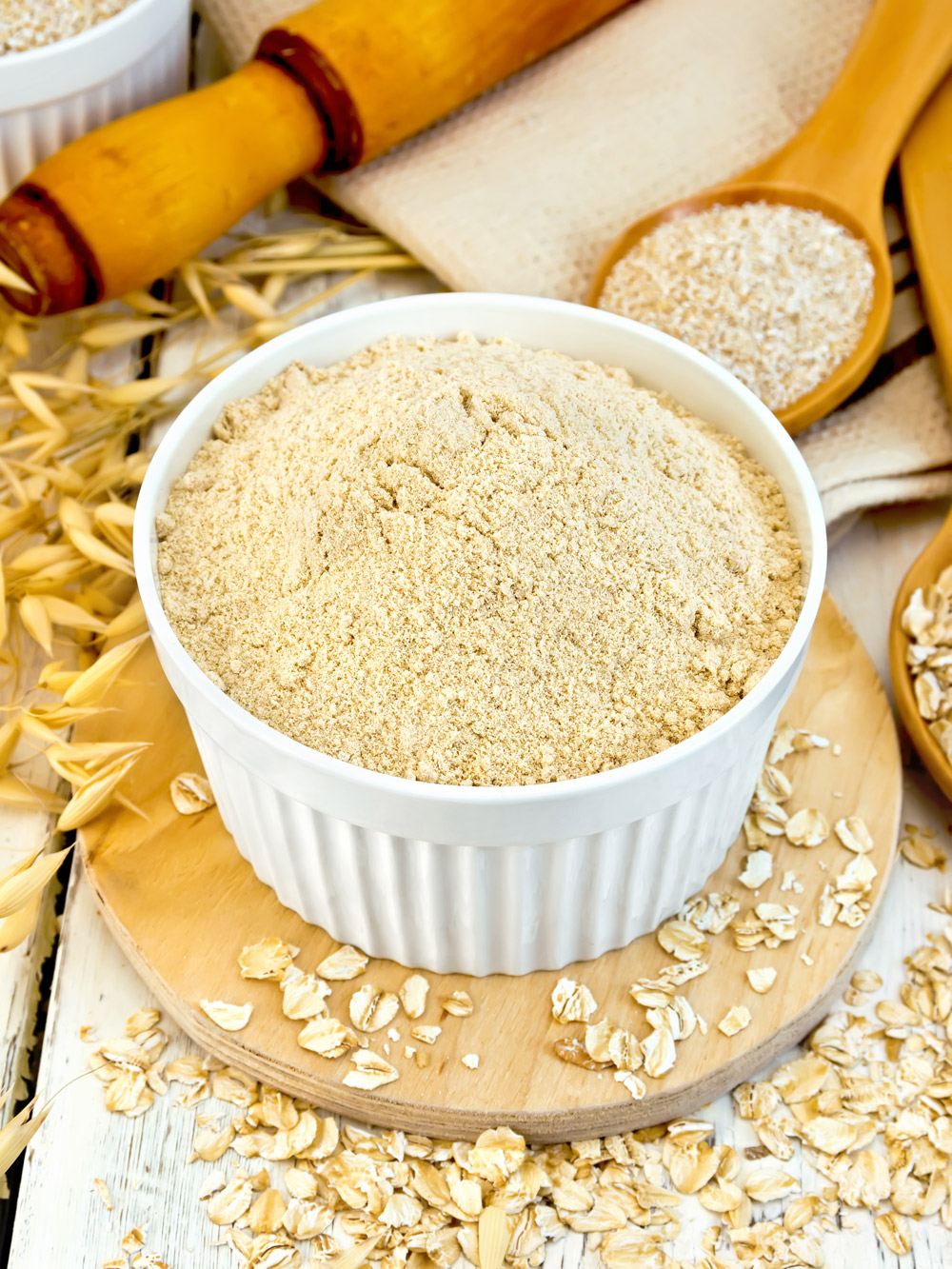
If you’ve ever wondered why some breakfasts keep you full till lunch and others leave you hungry by 11 am, oat bran may be the answer. Unlike regular oat flour, oat bran contains the fibre-rich outer layer of oats.
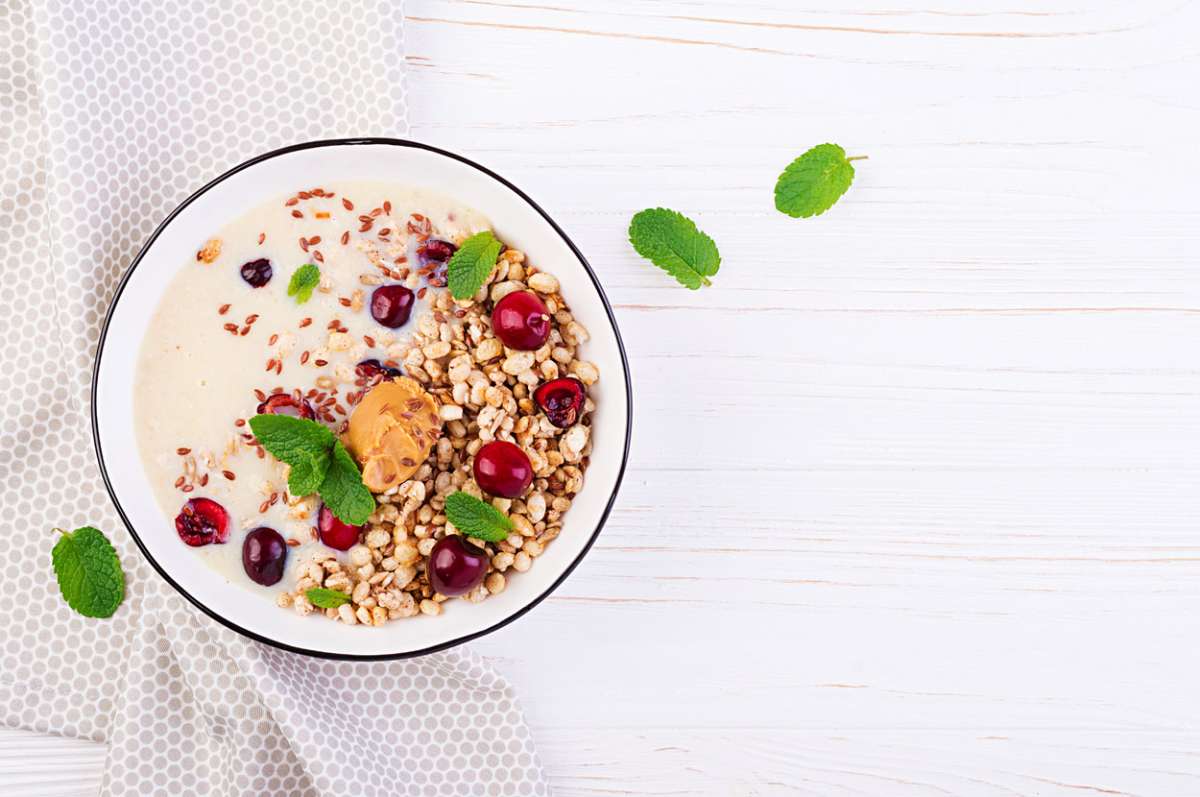
How to use it: Oat bran flour is incredibly versatile and can be used in pancakes, muffins, cookies and even smoothie bowls, making it an easy addition to everyday meals.
Pro-tip: Swap 20–30% of regular flour in baking recipes with oat bran flour to instantly boost fibre.
Psyllium husk blends
You may know psyllium husk as isabgol, but it has undergone a serious rebrand. Today, it appears in smart flour blends designed to increase fibre content and improve texture in gluten-free baking.
How to use it: Add small amounts to roti dough, bread recipes, smoothies and overnight oats.
Pro-tip: A little goes a long way. More isn’t always better. Start small and increase gradually while staying hydrated.
Multi-millet atta
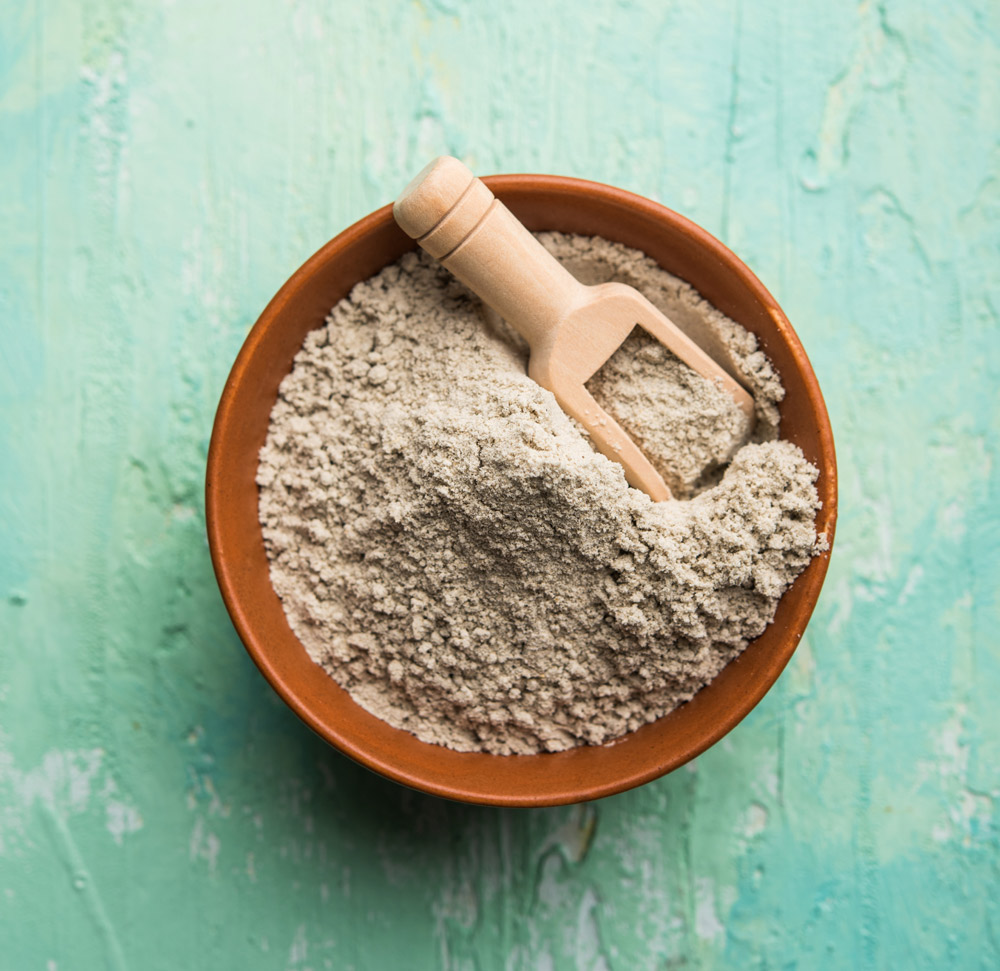
If there’s one flour that’s making the biggest leap into Indian households, it’s multi-millet atta. Typically made from blends of bajra, jowar, ragi, foxtail millet and little millet, these mixes bring together multiple grains in one easy-to-use flour.
How to use it: Multi-millet atta is incredibly versatile and can be used in everyday Indian favourites such as rotis, theplas, cheelas and parathas. It adds an earthy, hearty flavour with subtle nutty notes, making it an easy and nutritious swap for regular flour without compromising on taste.
Pro-tip: If you’re new to millet flours, start with a 50:50 mix with regular atta before switching completely.
Which functional flour are you adding to your pantry first? Tell us in the comment below.
Rate this story:
Tags
healthy eating
Millets
Fibremaxxing
Functional Flours
gut health
Jackfruit Flour
0 Comment
You may also like
-

Health and wellness Is cooking your meat really enough?
by Vikhroli Cucina -
Health and wellness Beyond oats: High-fibre Indian breakfasts that actually keep you full
by Vikhroli Cucina -
Health and wellness Steamed Delicacies for Indian Monsoons
by Vikhroli Cucina -
Health and wellness Regional gut wisdom: How India feeds its microbiome in summer
by Vikhroli Cucina