Why the world is falling in love with chatpata flavours
Sweet, sour, spicy, and sharp, today’s biggest flavour trend is anything but subtle
12 May 2026
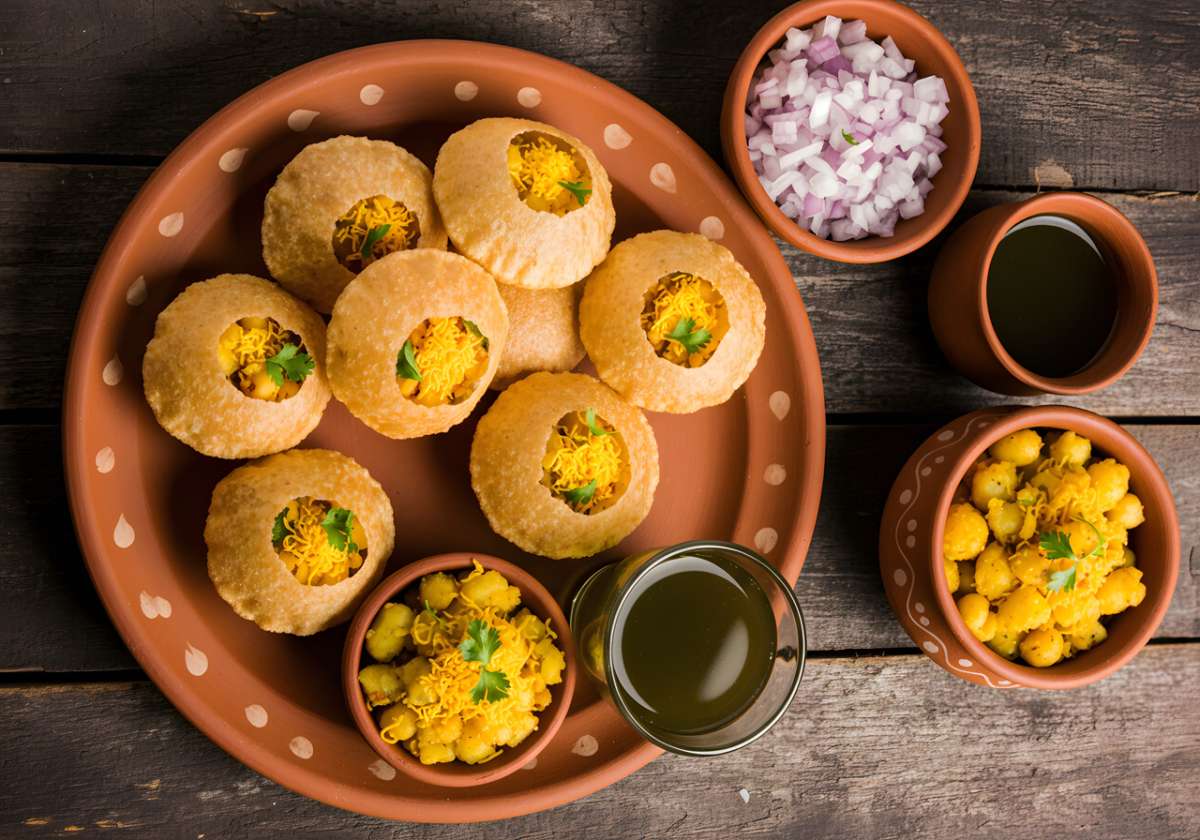
A squeeze of lime over tacos. Tamarind water over a crispy pani puri. Kimchi with its fermented punch. Thai salads that hit sweet, sour, salty and spicy all at once. Across cultures, one flavour profile continues to dominate cravings: tangy heat. It’s sharp, addictive and increasingly defining how the world eats.
As highlighted in the Godrej Food Trends Report (GFTR) 2026, chatpata, piquant flavours are becoming a global culinary language. Diners no longer want safe flavours — they want contrast, complexity and character.
From Korean fried chicken and Mexican salsa to Thai salads and Indian chaat-inspired snacks, the future of flavour looks bright, spicy, sour and unapologetically bold. And perhaps that’s why these cuisines resonate so strongly across borders. Different ingredients. Different food histories. Same instinct.
Mexico: Freshness with fire
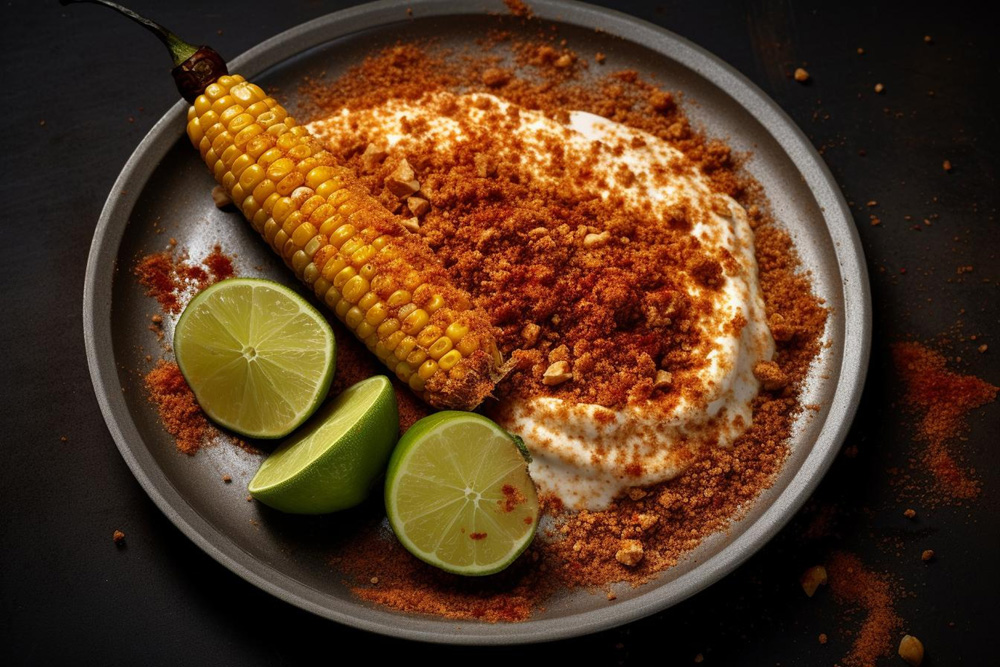
The magic of Mexican food lies in contrast — fresh lime juice cutting through smoky chillies, herbs adding lift to rich meats, and acidity balancing heat.
Think of street-style elote (a popular Mexican snack featuring charred corn on the cob) dusted with chilli and lime, or tacos finished with salsa verde and fresh coriander. Even fruit vendors in Mexico serve mangoes and pineapples with chilli powder and citrus. The goal isn’t just spice —it’s vibrancy.
Thailand: The art of sweet, sour, and spicy
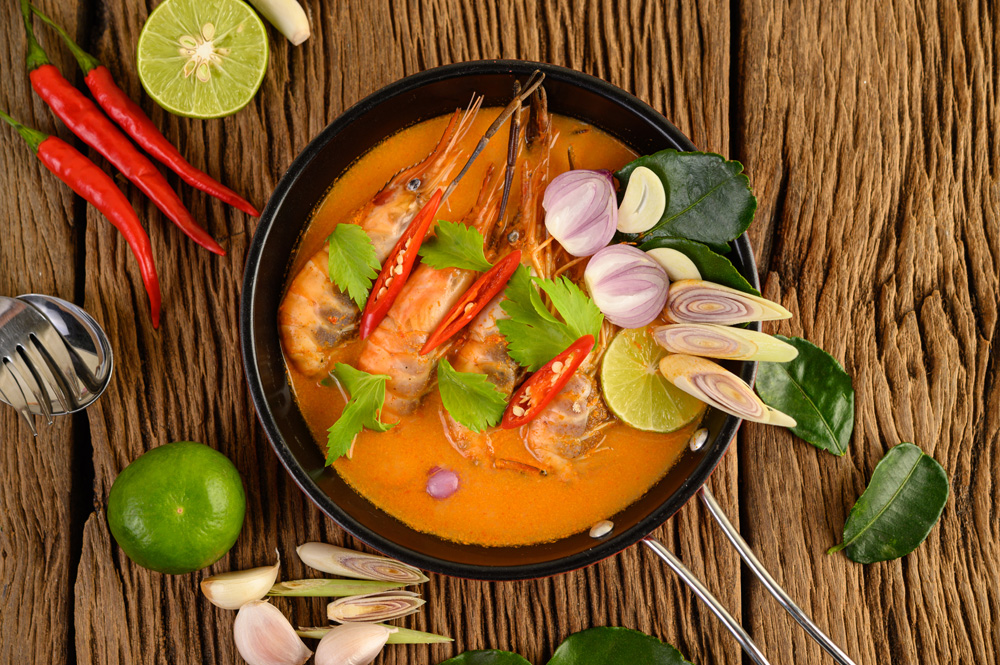
No flavour stands alone. Sweetness softens spice, sourness sharpens richness, and chillies add depth in Thai cuisine.
A spoonful of tom yum soup or green papaya salad instantly demonstrates this balance. Tamarind, fish sauce, palm sugar, lime and bird’s eye chillies come together in a way that feels bold yet incredibly harmonious.
Korea: Fermentation meets fire
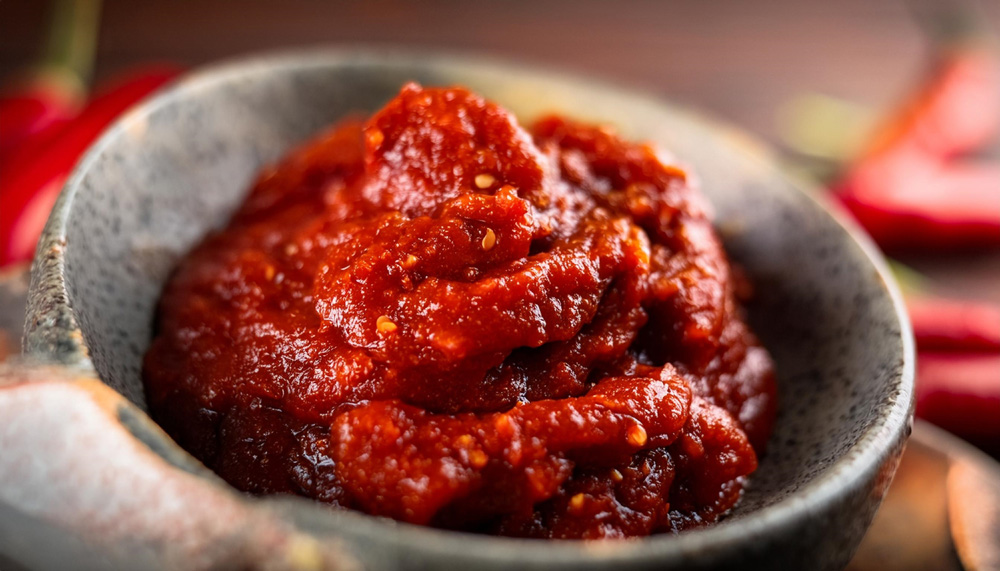
Korean cuisine takes tangy heat into deeper, more complex territory. Here, fermentation becomes flavour architecture. Kimchi, gochujang and fermented soybean pastes create layers of sourness, umami and spice that build over time. The heat is slower and often accompanied by smokiness. What’s fascinating is how Korean food transforms comfort dishes into flavour-packed experiences. A simple bowl of ramyeon (Korean version of instant Japanese ramen) becomes addictive with kimchi on the side. Fried chicken tastes sharper and more satisfying when glazed with spicy fermented sauces.
India: The chatpata experts
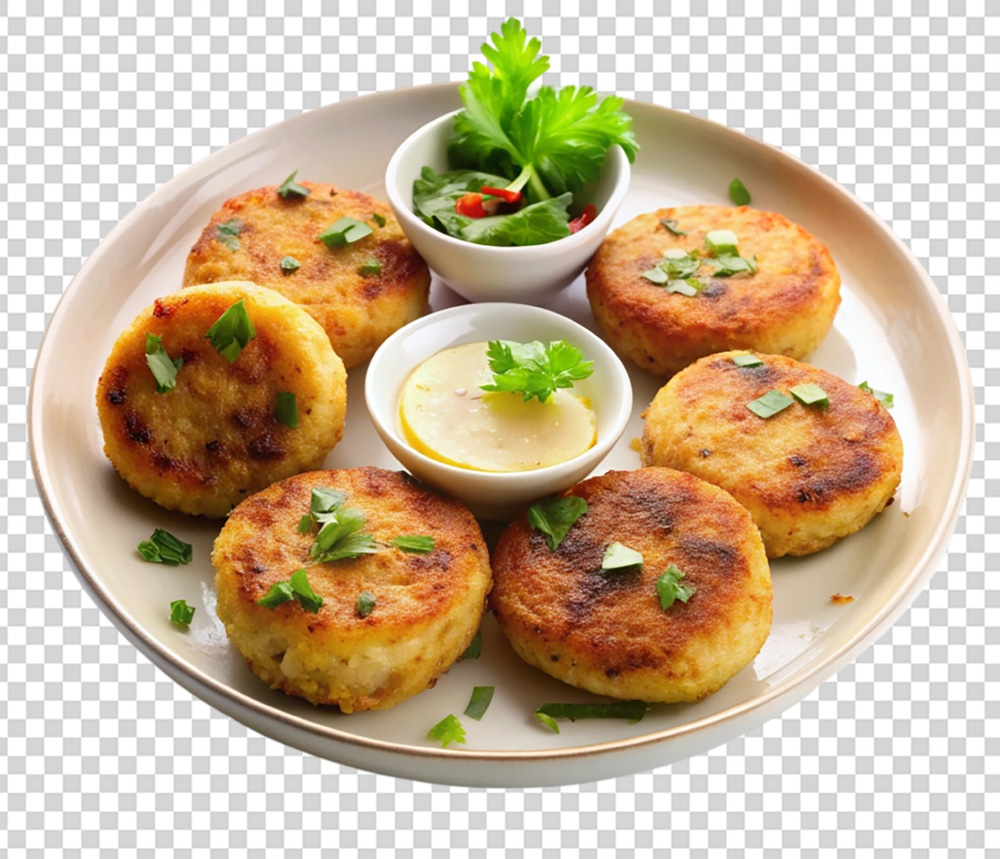
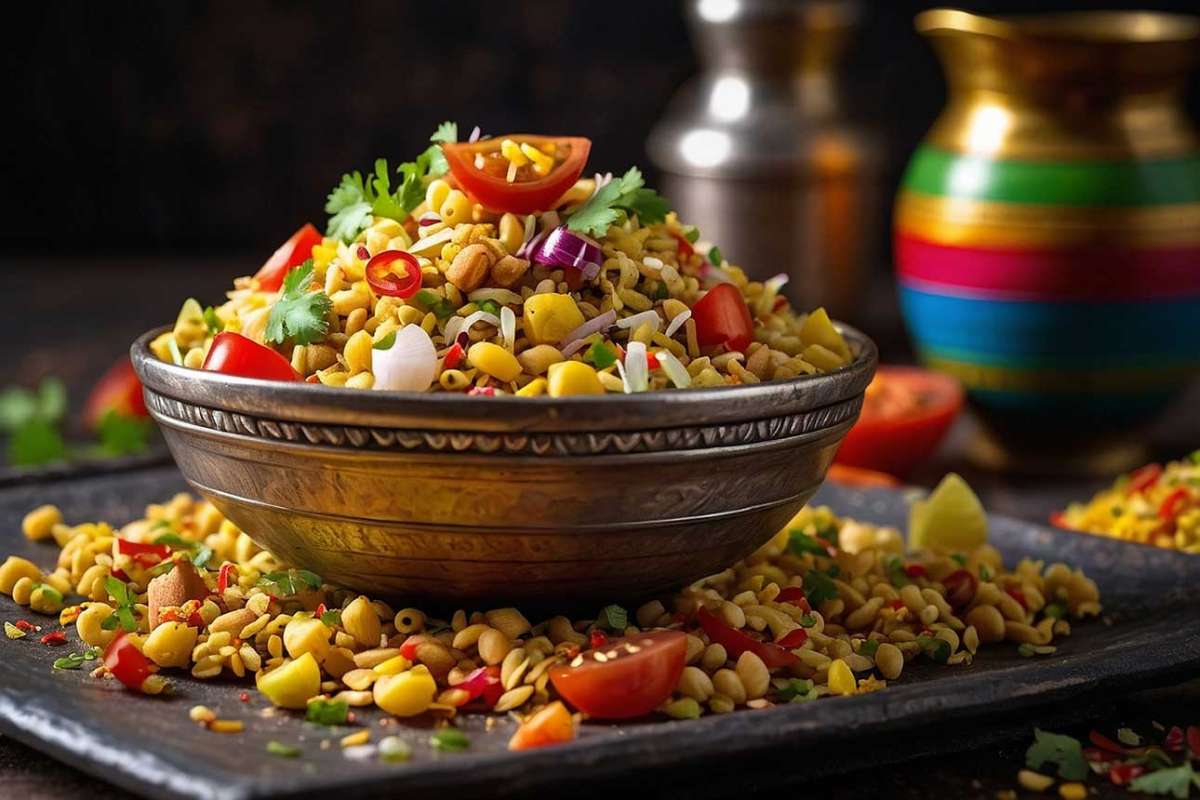
Long before ‘swicy and ‘piquant’ became global buzzwords, Indian kitchens were already perfecting them. India’s street food culture has long celebrated flavours that are loud, layered and impossible to ignore. Sweet chutney, green chilli, yoghurt, black salt, tamarind, lemon, raw onions, crunchy textures — everything collides in one bite.
From pani puri in Mumbai to aloo tikki in Delhi, Indian street food is designed to excite every corner of the palate. Even regional dishes across India lean heavily into this flavour profile:
- Rasam from the South delivers peppery tang
- Gujarati snacks balance sweetness with spice
- Northeastern chutneys bring fermented heat
- Pickles across Indian households combine oil, acid, salt and chilli into pure intensity
From tacos to chaat, which tangy bite would you pick every time?
Rate this story:
Tags
Mexican cuisine
Korean cuisine
Chatpata Flavours
Global Food Trends 2026
Tangy Heat
Thai Cuisine
Indian Street Food
Chaat Culture
Piquant Flavours
Food Lab
Spice Trends
Fusion Flavours
fermented foods
Street Food Trends
Culinary Trends 2026